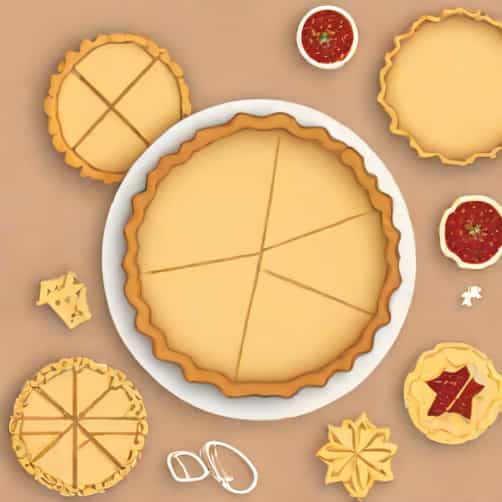
Shortcrust pastry is a versatile and popular base for both sweet and savory dishes, ranging from tarts and pies to quiches and galettes. One of the most common questions for home bakers and professional chefs alike is whether shortcrust pastry can be frozen without compromising its texture, flavor, or ease of use. Understanding how to properly freeze, store, and thaw shortcrust pastry is essential for planning meals ahead, reducing food waste, and ensuring the pastry maintains its delicate crumbly consistency when baked. With the right techniques, freezing shortcrust pastry can save time and allow for a more efficient cooking process without sacrificing quality.
Why Freeze Shortcrust Pastry?
Freezing shortcrust pastry is a convenient solution for several reasons. It allows bakers to prepare dough in advance, particularly for busy schedules or special occasions. By freezing, you can make batches ahead of time, ensuring that homemade pies or tarts are ready whenever needed. Additionally, freezing helps preserve the pastry’s freshness, preventing it from going stale or absorbing odors from the refrigerator. This is particularly important for homemade shortcrust pastry, which lacks the preservatives found in commercial varieties.
Advantages of Freezing
- Time-saving Prepare dough in bulk and store for later use.
- Reduces food waste Use only what is needed and keep the rest frozen.
- Maintains freshness Prevents the pastry from drying out or going stale.
- Flexibility Allows for last-minute baking without compromising quality.
- Convenience Ideal for spontaneous recipes or unexpected guests.
How to Freeze Shortcrust Pastry
Freezing shortcrust pastry properly is crucial to ensure that it maintains its texture and flavor. The process begins with preparing the pastry dough, either homemade or store-bought, and handling it gently to prevent overworking. Overworking can develop gluten, leading to a tougher texture once baked. Once the dough is ready, follow these steps for freezing
Step 1 Divide and Shape
Divide the dough into portions suitable for your typical recipes. This makes it easier to thaw only the amount you need. Shape each portion into a flat disc or rectangle, which allows for faster and more even freezing. Avoid rolling the dough too thin, as this can lead to cracks when thawed.
Step 2 Wrap Securely
Wrap each portion tightly in plastic wrap, ensuring there are no gaps for air to enter. Air exposure can cause freezer burn, which affects the flavor and texture of the pastry. For extra protection, place the wrapped dough in an airtight container or a resealable freezer bag. Labeling with the date ensures you use the oldest dough first.
Step 3 Freeze Promptly
Place the wrapped pastry in the coldest part of your freezer. Shortcrust pastry can generally be stored in the freezer for up to three months without losing quality. Freezing promptly after preparation helps lock in freshness and prevent moisture loss, ensuring a tender and flaky result when baked.
Thawing Shortcrust Pastry
Thawing shortcrust pastry correctly is as important as freezing it. Improper thawing can lead to sticky dough, loss of structure, or uneven baking. The best approach is a slow thaw in the refrigerator rather than at room temperature. This prevents the butter or fat in the dough from melting prematurely, which can compromise the pastry’s flakiness.
Step 1 Refrigeration
Transfer the frozen dough from the freezer to the refrigerator and allow it to thaw for 4 to 6 hours or overnight. Keep it wrapped during thawing to prevent drying out. If the dough is divided into smaller portions, thawing will be faster and more manageable.
Step 2 Light Dusting
Before rolling out the thawed dough, lightly dust the work surface and rolling pin with flour to prevent sticking. Handle the dough gently to maintain its crumbly texture, and avoid overworking it. If cracks appear, gently press the dough together without excessive kneading.
Step 3 Rolling and Baking
Once thawed, the shortcrust pastry can be rolled out to the desired thickness and used in your recipe. Pre-baking, or blind baking, may be required for certain tarts and pies to prevent a soggy base. The texture and flakiness of frozen and properly thawed pastry are often comparable to fresh dough.
Tips for Best Results
To maximize the quality of frozen shortcrust pastry, keep the following tips in mind
- Use high-quality butter or fat This ensures a rich flavor and tender texture.
- Keep ingredients cold Cold dough freezes better and retains structure.
- Avoid overworking the dough Over-kneading can make the pastry tough.
- Label and date Helps track freshness and use older dough first.
- Freeze in small portions Easier to thaw only what you need.
- Use parchment paper Placing dough between sheets of parchment prevents sticking and makes handling easier.
Common Mistakes to Avoid
Freezing and thawing shortcrust pastry is straightforward, but several mistakes can affect the final result
- Thawing at room temperature This can melt the fat and make dough difficult to handle.
- Not wrapping tightly Exposed dough can develop freezer burn or absorb odors.
- Overworking dough after thawing Can result in a tough crust rather than a flaky one.
- Using old or low-quality ingredients Affects flavor and texture after freezing.
- Freezing baked pastry While technically possible, the texture may degrade upon reheating.
Using Frozen Shortcrust Pastry in Recipes
Frozen shortcrust pastry is highly versatile and can be used in a variety of sweet and savory dishes. For pies, quiches, tarts, and galettes, frozen pastry can be thawed, rolled, and baked just like fresh dough. Some bakers even use partially frozen pastry to achieve a flakier texture, especially when making layered or lattice crusts. The ability to freeze and store pastry in advance is particularly useful for holiday baking or meal prep.
Sweet Applications
Frozen shortcrust pastry works beautifully in sweet applications, including fruit tarts, custard pies, and chocolate-based desserts. Ensure that the dough is chilled after rolling to maintain its shape during baking. Pre-baking may be necessary for custard or cream-filled desserts to prevent sogginess.
Savory Applications
For savory recipes like quiches, meat pies, or vegetable tarts, frozen pastry provides convenience without compromising taste. Thawed dough can be lined into pie dishes and filled with desired ingredients. The pastry’s buttery flavor complements savory fillings, and careful handling ensures a crisp, golden crust.
Freezing shortcrust pastry is a practical and effective method to preserve freshness, save time, and allow for flexible meal preparation. With proper wrapping, freezing, and thawing techniques, frozen pastry can deliver results comparable to freshly made dough. By understanding the nuances of handling shortcrust pastry in both its frozen and thawed states, bakers can enjoy the convenience of ready-to-use dough while maintaining the delicate, flaky texture that makes shortcrust pastry a favorite in both sweet and savory cooking. Proper storage, careful handling, and attention to detail ensure that frozen shortcrust pastry remains a reliable and high-quality ingredient in any kitchen.
Key Takeaways
- Shortcrust pastry can be successfully frozen for up to three months.
- Divide and wrap dough tightly to prevent freezer burn.
- Thaw slowly in the refrigerator for best results.
- Handle dough gently to maintain flakiness.
- Frozen pastry works well in both sweet and savory recipes.
- Proper preparation ensures convenience without compromising quality.