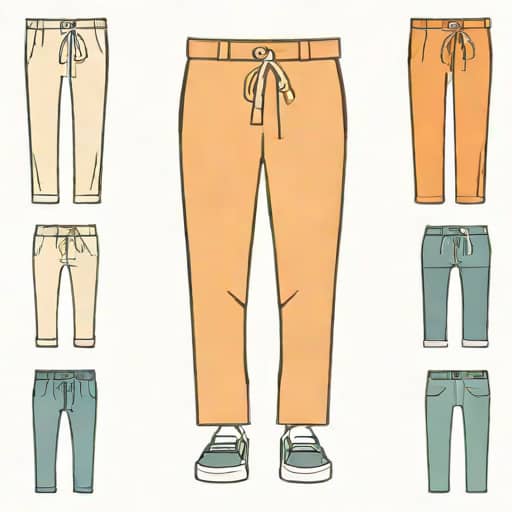
The English language is filled with fascinating examples of word evolution, one of which is the development of clipped words, also known as shortened or abbreviated forms of longer words. A classic example of this phenomenon is the word pants, which is the clipped form of the older term pantaloons. Understanding how pantaloons transformed into pants offers insight into linguistic efficiency, social influence on language, and the ways vocabulary adapts to changing cultural contexts. The journey from pantaloons to pants reflects not only a simplification in speech and writing but also shifts in fashion, practicality, and the casualization of language over centuries. Exploring this evolution provides a unique perspective on historical linguistics and everyday language usage.
Origins of the Word Pantaloons
The term pantaloons originates from the Italian commedia dell’arte character Pantalone, who was typically depicted wearing tight-fitting trousers. The word entered the English language in the 17th century and initially referred to the long, fitted trousers that were fashionable in Europe at the time. Pantaloons were often associated with formality, upper-class fashion, and tailored clothing. They were typically fastened at the waist and extended down to the ankles, sometimes with elaborate buttons or stitching. The name carried both a cultural and stylistic significance, representing a garment that was both practical for movement and a symbol of social status.
Historical Context of Pantaloons
Pantaloons became particularly popular in the late 18th and early 19th centuries, especially among men. They replaced breeches, which had been the standard form of trousers worn by European men in previous centuries. Unlike breeches, pantaloons extended all the way to the ankle, offering a different silhouette and style. The garment was often made of wool, cotton, or linen, depending on the season and occasion. Military uniforms and everyday wear both incorporated pantaloons, highlighting their versatility and cultural prominence.
The Process of Clipping in Language
Clipping is a linguistic process in which a longer word is shortened while retaining its original meaning. This process is common in English and other languages, reflecting a natural human tendency toward efficiency in speech and writing. Clipping often occurs in casual conversation, where brevity and ease of articulation are preferred. The clipped form typically drops syllables from the beginning, middle, or end of a word. In the case of pantaloons, the final syllables were dropped, resulting in the simplified and more colloquial term pants.
Examples of Clipping in English
Clipping is widespread and can be observed in many everyday words. Examples include
- Television → TV
- Laboratory → Lab
- Refrigerator → Fridge
- Examination → Exam
Each of these clipped forms retains the meaning of the original word while being shorter and easier to pronounce, demonstrating how language evolves to meet the needs of speakers.
From Pantaloons to Pants
The transition from pantaloons to pants reflects both linguistic simplification and changes in fashion. By the 19th century, the term pants became increasingly common in everyday speech, replacing the more formal and cumbersome pantaloons. The shorter word was easier to say and write, aligning with trends toward casual language use in society. Additionally, as trousers themselves became less elaborate and more standardized, the original term lost some of its relevance. Pants were no longer associated solely with high fashion or formality, making the clipped form both practical and culturally appropriate.
Influence of American English
American English played a significant role in popularizing the term pants. In the United States, practicality and brevity were valued, and the clipped form quickly gained widespread usage. While pantaloons persisted in formal or literary contexts for a time, pants became the dominant term in everyday communication. The shift also coincided with changes in men’s clothing styles, as trousers became simpler and more functional. The American preference for concise language helped cement pants as the standard term, illustrating how regional linguistic tendencies can influence word evolution.
Clipped Words in Fashion Terminology
The evolution of pantaloons to pants is not unique in the realm of fashion. Clothing terminology often adapts through clipping and abbreviation, reflecting both practicality and cultural trends. Examples include
- Jacket → Coat
- Underwear → Undies
- Hosiery → Hose
- Vestments → Vest
These examples demonstrate how language simplifies to match everyday usage, making terms easier to remember, pronounce, and incorporate into conversation. The clipping process allows fashion terminology to remain accessible and adaptable as clothing styles and cultural norms change.
Benefits of Clipped Words
Clipped words offer several advantages in language. They
- Reduce the effort needed to speak or write.
- Facilitate quicker communication in both informal and formal settings.
- Reflect social trends and evolving cultural norms.
- Help words stay relevant by aligning with contemporary usage.
In the case of pantaloons, the adoption of pants exemplifies all these benefits, showing how a historical term can evolve into a modern, widely recognized word while retaining its original meaning.
Linguistic and Cultural Implications
The shift from pantaloons to pants highlights broader linguistic and cultural dynamics. Clipped words often indicate informalization and democratization of language, where terms once reserved for elite or formal contexts become accessible to a wider audience. Additionally, the evolution of clothing terms mirrors changes in society, including shifts toward practicality, casualization, and mobility in daily life. Studying the history of clipped words like pants offers insight into how language interacts with fashion, social norms, and historical trends.
Contemporary Usage
Today, the term pants is universally understood in English-speaking countries, though regional variations exist. In British English, trousers is more common, while pants in American English refers to the same garment. The word has also inspired other linguistic developments, such as compound terms (e.g., jeans pants, dress pants) and idiomatic expressions (get your pants on, pull up your pants), demonstrating the continued adaptability and relevance of clipped words in modern language.
The transformation of pantaloons into pants provides a compelling example of linguistic evolution, illustrating how clipped words develop in response to practical, social, and cultural factors. From its origins in 17th-century Europe to its widespread usage in contemporary American English, the journey of pantaloons to pants reflects changes in fashion, communication, and everyday life. Clipping simplifies language, making words more accessible while preserving meaning, and the story of pants demonstrates the enduring interaction between language and society.
Understanding the history of pantaloons and the process of clipping offers valuable insights into both historical linguistics and cultural evolution. It emphasizes how language adapts to human needs, whether for efficiency, clarity, or relevance. Today, when people use the word pants, they are participating in a long tradition of linguistic innovation that connects modern speakers with centuries of linguistic history and cultural transformation. The study of clipped words like this not only enriches our understanding of English vocabulary but also highlights the dynamic nature of language as it responds to human experience and creativity.