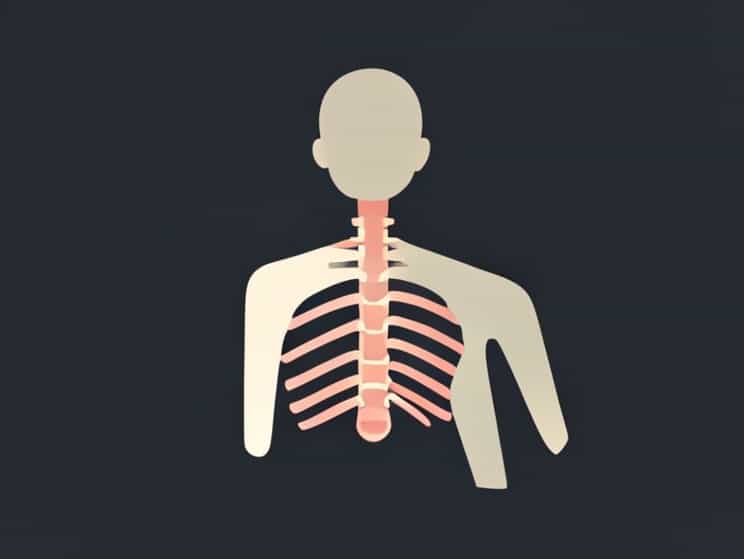
Cervical radiculopathy is a condition that occurs when a nerve in the neck is compressed or irritated, leading to pain, numbness, or weakness radiating from the cervical spine into the shoulders, arms, and hands. It is a common cause of neck pain and can significantly affect daily activities and quality of life. Accurate diagnosis and appropriate management are essential to relieve symptoms and prevent long-term disability. While surgical options exist for severe cases, most patients respond well to nonoperative management, which focuses on symptom control, physical rehabilitation, and lifestyle modifications. Understanding both the diagnosis and nonoperative treatment strategies is key for effective care of individuals suffering from cervical radiculopathy.
Diagnosis of Cervical Radiculopathy
Diagnosing cervical radiculopathy involves a combination of clinical evaluation, patient history, physical examination, and imaging studies. Early and accurate identification of the affected nerve root is critical to guide treatment decisions and improve outcomes.
Patient History
During the diagnostic process, physicians gather detailed information about the patient’s symptoms. Key aspects of the history include
- Onset and duration of neck pain and radiating symptoms.
- Location of pain, numbness, or tingling along the arm or hand.
- Factors that aggravate or relieve symptoms, such as movement or posture.
- Presence of weakness in specific muscle groups or changes in grip strength.
- History of trauma, degenerative spinal disease, or previous cervical injuries.
Understanding the symptom pattern helps to localize the affected cervical nerve root, which is typically between C5 and C7 levels.
Physical Examination
The physical examination focuses on identifying neurological deficits and reproducing symptoms through specific maneuvers. Key components include
- Neurological TestingAssessment of motor strength, reflexes, and sensory function to detect nerve involvement.
- Spurling TestThe patient’s neck is extended and rotated to the affected side while gentle axial compression is applied. Pain or radiating symptoms suggest nerve root compression.
- Sensory ExaminationEvaluates areas of numbness or tingling along the dermatomes associated with cervical nerve roots.
- Range of MotionDetermines limitations in cervical spine mobility due to pain or muscle spasm.
Imaging Studies
Imaging is essential to confirm the diagnosis and identify structural causes of cervical radiculopathy, such as herniated discs or foraminal narrowing. Common imaging modalities include
- MRI (Magnetic Resonance Imaging)The preferred imaging study for visualizing soft tissues, intervertebral discs, and nerve roots.
- CT Scan (Computed Tomography)Useful for evaluating bone structures, spinal canal, and foraminal stenosis.
- X-raysCan show degenerative changes, alignment issues, or bony abnormalities but are limited in assessing soft tissue compression.
- Electrodiagnostic StudiesEMG (electromyography) and nerve conduction studies can confirm nerve root dysfunction and help differentiate radiculopathy from peripheral neuropathy.
Nonoperative Management of Cervical Radiculopathy
Most patients with cervical radiculopathy improve without surgery. Nonoperative management aims to reduce pain, improve function, and prevent further nerve damage. This approach involves a combination of pharmacological therapy, physical therapy, activity modification, and other conservative treatments.
Pharmacological Therapy
Medications are often the first line of treatment for pain relief and inflammation reduction. Common options include
- Nonsteroidal Anti-inflammatory Drugs (NSAIDs)Reduce pain and inflammation in the cervical spine and affected nerve roots.
- Muscle RelaxantsHelp relieve muscle spasms that often accompany radiculopathy.
- Oral CorticosteroidsShort courses may be prescribed to reduce severe inflammation around nerve roots.
- Neuropathic Pain MedicationsDrugs such as gabapentin or pregabalin may be used for persistent nerve-related pain.
Physical Therapy and Rehabilitation
Structured physical therapy is crucial in nonoperative management. Goals include relieving pain, improving neck mobility, strengthening supporting muscles, and preventing recurrence. Key components of physical therapy include
- Cervical TractionHelps reduce nerve root compression by gently stretching the cervical spine.
- Posture TrainingCorrecting posture can reduce strain on cervical structures.
- Strengthening ExercisesFocused on the neck, shoulder, and upper back muscles to provide stability.
- Range of Motion ExercisesImprove flexibility and reduce stiffness in the cervical spine.
Activity Modification
Patients are advised to avoid activities that exacerbate symptoms, such as heavy lifting, prolonged overhead work, or repetitive neck motions. Ergonomic adjustments at work and home can significantly reduce strain on the cervical spine. Short breaks, supportive chairs, and correct computer monitor placement are practical measures to prevent worsening of radiculopathy.
Cervical Collars and Bracing
In select cases, temporary use of a soft cervical collar may provide support and limit movement that aggravates nerve compression. However, prolonged use is discouraged as it can lead to muscle weakening and reduced neck mobility.
Alternative Therapies
Some patients benefit from complementary therapies, including
- Acupuncture for pain relief.
- Chiropractic care with gentle, controlled manipulations.
- Massage therapy to reduce muscle tension.
These therapies should be used cautiously and under the guidance of a healthcare professional to avoid worsening nerve compression.
Monitoring and Follow-Up
Nonoperative management requires regular monitoring to assess improvement in symptoms and function. Patients are advised to follow up with their physician or physical therapist to adjust therapy plans as needed. Persistent pain, progressive weakness, or new neurological deficits may indicate the need for further imaging or consideration of surgical intervention.
Indicators for Escalation to Surgery
While most cases improve with conservative treatment, surgery may be indicated if
- Severe or progressive motor weakness develops.
- There is significant impairment in daily activities or quality of life.
- Persistent pain does not respond to nonoperative therapies over an extended period.
- There is evidence of spinal cord compression or other serious pathology.
Cervical radiculopathy is a common condition that can cause significant pain, numbness, and functional limitations. Accurate diagnosis involves a combination of patient history, physical examination, and imaging studies to identify the affected nerve root and underlying cause. Nonoperative management, including medications, physical therapy, activity modification, and supportive therapies, is effective for most patients and can lead to substantial improvement in symptoms. Careful monitoring and follow-up ensure that treatment remains appropriate and that surgical intervention is considered only when necessary. By understanding both the diagnosis and nonoperative management strategies, patients and healthcare providers can optimize outcomes and maintain cervical spine health.