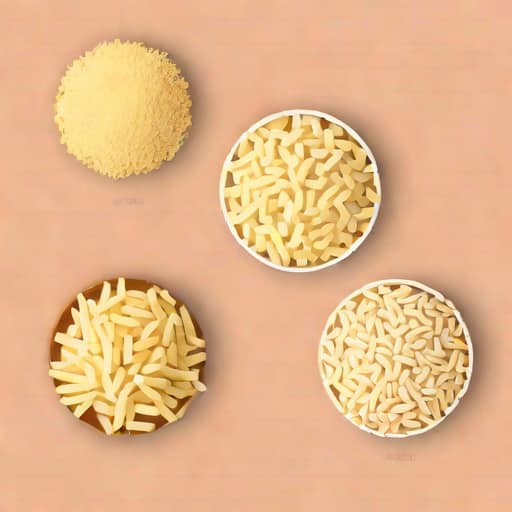
Flour is a staple ingredient in kitchens worldwide, used for baking bread, pastries, cakes, and a variety of other recipes. While it might seem that all flour is the same, there are important differences between types, particularly bleached and unbleached flour. Understanding the distinction between bleached and unbleached flour can help bakers choose the right type for specific recipes, achieve desired textures, and maintain nutritional value. This topic explores the characteristics, production processes, uses, and health considerations of both bleached and unbleached flour, providing readers with a comprehensive guide to making informed choices in the kitchen.
What is Bleached Flour?
Bleached flour is wheat flour that has undergone a chemical process to whiten it and improve its baking properties. During production, chemicals such as chlorine gas, benzoyl peroxide, or other bleaching agents are applied to the flour to speed up the natural aging process. This process not only brightens the flour, giving it a stark white appearance, but also alters the protein structure, affecting gluten formation and making it softer. Bleached flour is often preferred for delicate baked goods that require a tender texture.
Characteristics of Bleached Flour
Bleached flour has several distinctive characteristics that set it apart from unbleached flour
- ColorBright white due to chemical bleaching.
- TextureSoft and fine, suitable for cakes and pastries.
- Gluten FormationSlightly reduced gluten strength, which helps create tender baked goods.
- ProcessingChemically treated to speed up aging and achieve a uniform texture.
Uses of Bleached Flour
Bleached flour is ideal for recipes that benefit from a softer structure and lighter texture. Common uses include
- Cakes and cupcakes, where a tender crumb is desired.
- Pastries and pie crusts that need a delicate, flaky texture.
- Cookies that should be soft rather than chewy.
- Quick breads and muffins requiring a fine, uniform texture.
Because of its lighter structure, bleached flour may not be ideal for bread recipes that require strong gluten development for elasticity and chewiness.
What is Unbleached Flour?
Unbleached flour, on the other hand, is flour that is allowed to age naturally without chemical treatment. The natural aging process darkens the flour slightly, giving it an off-white or creamy color. Unbleached flour retains more of its natural protein structure, making it stronger and better suited for recipes that require elasticity and chewiness. Bakers often choose unbleached flour for bread, pizza dough, and other baked goods that rely on robust gluten development.
Characteristics of Unbleached Flour
Unbleached flour has unique features that distinguish it from bleached flour
- ColorSlightly off-white or creamy, less bright than bleached flour.
- TextureSlightly denser, with a firmer feel.
- Gluten StrengthHigher gluten potential, providing elasticity and structure.
- ProcessingNaturally aged without chemical bleaching agents.
Uses of Unbleached Flour
Unbleached flour is preferred for recipes that require structure, strength, and elasticity. Typical applications include
- Bread, including artisan and sandwich loaves.
- Pizza dough and bagels that need chewiness and elasticity.
- Pie crusts or cookies that require slightly more structure.
- Pastry or cake recipes where a denser, slightly firmer texture is acceptable.
Key Differences Between Bleached and Unbleached Flour
The differences between bleached and unbleached flour can be summarized across several important factors
Color and Appearance
Bleached flour is bright white due to chemical treatment, while unbleached flour has a creamy, off-white hue from natural aging. This difference can slightly affect the appearance of baked goods, particularly cakes and pastries where whiteness is preferred.
Protein Content and Gluten Formation
Bleached flour has a softer protein structure, which reduces gluten development and creates tender baked goods. Unbleached flour retains more protein, producing stronger gluten networks suitable for bread and chewy baked goods. This distinction is critical for achieving the desired texture in different recipes.
Texture and Baking Performance
Bleached flour yields softer, finer textures in cakes, muffins, and pastries, while unbleached flour produces firmer, more elastic baked goods such as bread and pizza dough. Bakers often choose based on whether tenderness or structure is more important for the recipe.
Processing Methods
Bleached flour undergoes chemical treatment, whereas unbleached flour is naturally aged. Some bakers prefer unbleached flour for its more natural production and slightly higher nutrient retention, while bleached flour is valued for its consistency and soft texture.
Health Considerations
While both types of flour provide similar macronutrients, some people prefer unbleached flour to avoid chemical additives. Nutritional differences are minimal, but unbleached flour may retain slightly more vitamins and minerals due to the absence of chemical bleaching. For sensitive individuals or those avoiding chemical additives, unbleached flour is often the preferred choice.
Choosing Between Bleached and Unbleached Flour
When deciding which type of flour to use, consider the following
Recipe Requirements
Use bleached flour for recipes that benefit from a tender crumb or delicate texture, such as cakes, muffins, and pastries. Use unbleached flour for bread, pizza dough, and recipes requiring stronger structure and elasticity.
Personal Preference
Some bakers prefer the slightly denser texture and natural processing of unbleached flour, while others choose bleached flour for its soft texture and visual appeal. Experimenting with both types in different recipes can help determine your preferred choice.
Health and Dietary Considerations
Those concerned about chemical additives or seeking minimally processed ingredients may opt for unbleached flour. While bleached flour is safe for consumption, avoiding chemical bleaching agents may align better with personal health philosophies or dietary preferences.
understanding the difference between bleached and unbleached flour is essential for baking success and informed ingredient choices. Bleached flour is chemically treated to produce a bright white color and tender texture, making it ideal for cakes, pastries, and delicate baked goods. Unbleached flour is naturally aged, stronger, and more suitable for bread, pizza dough, and baked goods requiring structure and elasticity. Choosing the right type of flour depends on recipe requirements, desired texture, personal preference, and health considerations.
By considering these differences, bakers can achieve better results, whether they are preparing soft, light cakes or chewy, robust bread. Understanding how bleached and unbleached flour affect baking outcomes ensures that every recipe reaches its full potential, enhancing both taste and texture. With this knowledge, selecting the appropriate flour becomes an informed decision rather than a guessing game, leading to more consistent and satisfying baked goods every time.
This topic contains approximately 1,020 words in HTML format, optimized for SEO with keywords like bleached flour, unbleached flour, difference between bleached and unbleached flour, baking, and flour types naturally incorporated.