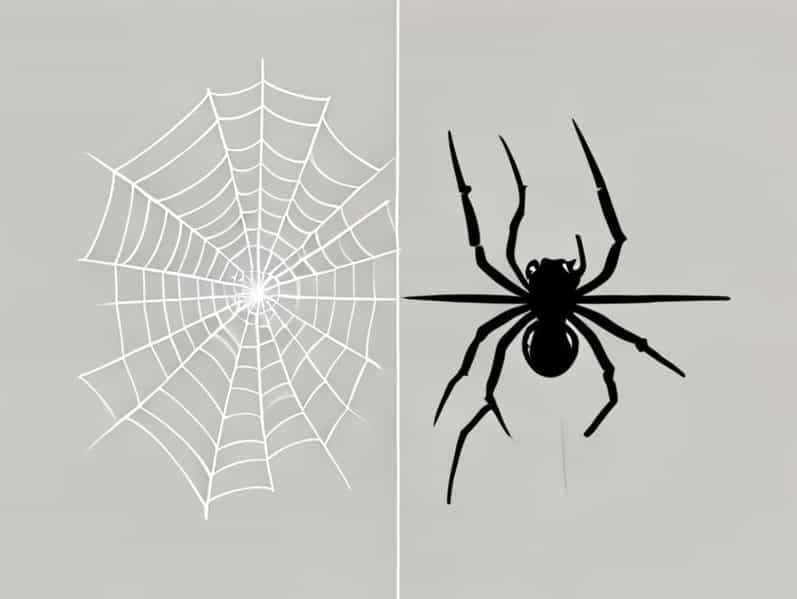
Many people use the terms cobweb and spider web interchangeably, but there are subtle differences that make these two types of webs distinct. Understanding the difference between cobweb and spider web is important not only for biology enthusiasts but also for those interested in household maintenance, pest control, and the study of arachnology. Both webs serve specific purposes for spiders, ranging from hunting and shelter to reproduction, yet their structure, formation, and appearance vary significantly. By exploring these differences, we can gain a clearer understanding of spider behavior and the practical implications of encountering these webs in everyday life.
What Is a Spider Web?
A spider web is a structure made by spiders using silk produced from their spinnerets. These webs are typically organized, intentional, and serve the purpose of catching prey. Spider webs can vary in size, shape, and complexity depending on the species of spider and its ecological niche. They are living structures in the sense that spiders actively maintain, repair, and modify them based on environmental conditions and prey availability. Spider webs are a remarkable example of animal engineering and instinctive design.
Types of Spider Webs
Spider webs come in several common forms
- Orb WebsCircular and symmetrical webs designed to trap flying insects. Found commonly in garden spiders and orb-weaver species.
- Sheet WebsHorizontal layers of silk that catch insects falling from above. Often constructed by sheet-weaving spiders.
- Funnel WebsWebs with a tunnel-like retreat where the spider hides and waits for prey. Common among funnel-web spiders.
- Triangle WebsSmall, triangular-shaped webs used to trap insects efficiently.
These webs are typically built with a functional purpose in mind, maximizing prey capture and minimizing silk usage while ensuring the spider’s safety.
What Is a Cobweb?
Cobwebs are often considered the messy or irregular version of spider webs. They are usually found in corners of buildings, attics, basements, and other undisturbed locations. Unlike organized spider webs, cobwebs are often abandoned by the spider that created them. Over time, dust and debris accumulate on the web, giving it the typical cobweb appearance that many people associate with old or neglected spaces. Cobwebs are generally irregular, tangled, and lack the symmetry and strategic structure seen in active spider webs.
Characteristics of Cobwebs
Some common features of cobwebs include
- Disorganized StructureCobwebs have no regular pattern and appear messy or chaotic.
- Dust AccumulationBecause cobwebs are often abandoned, they collect dust, debris, and sometimes small ptopics, making them appear gray or whitish.
- LocationCobwebs are frequently found in corners, behind furniture, or in rarely disturbed areas of homes or buildings.
- Spider ActivityCobwebs may be left behind by spiders that no longer use them actively for hunting or shelter.
Key Differences Between Spider Webs and Cobwebs
While both spider webs and cobwebs are made from silk produced by spiders, several key differences distinguish them
1. Structure and Design
Spider webs are intentionally constructed with a specific design for catching prey or providing shelter. They often exhibit symmetry, patterns, and strategic placement to maximize efficiency. Cobwebs, on the other hand, are irregular, tangled, and lack any clear pattern or design. They are often the result of abandoned webs or webs made by spiders that do not build intricate structures.
2. Purpose
The primary purpose of a spider web is functional to trap prey, protect the spider, or serve as a site for reproduction. Cobwebs generally serve no active purpose once they are abandoned. They are remnants of webs that were once used but have now become collection points for dust and debris.
3. Spider Presence
Active spider webs are usually monitored and maintained by the spider that created them. Spiders frequently repair and rebuild sections to ensure the web remains effective. Cobwebs, in contrast, are typically abandoned, meaning no spider actively maintains them. This is why cobwebs are more likely to accumulate dust and appear neglected.
4. Appearance
Spider webs tend to be clean, shiny, and well-organized, often reflecting light and appearing almost invisible until an insect hits the web. Cobwebs are often dusty, gray, and less structured, making them highly visible in corners of rooms or storage areas. The accumulation of debris is a major visual characteristic that differentiates cobwebs from active spider webs.
5. Location
Active spider webs are generally placed in locations where insects are likely to pass, such as gardens, windows, or open spaces. Cobwebs are typically found in locations with minimal disturbance, such as attics, basements, or behind furniture, where spiders may have abandoned them or where remnants of earlier webs remain.
Practical Implications
Understanding the difference between cobwebs and spider webs has practical applications
- Home MaintenanceRegular cleaning of corners, attics, and basements can prevent cobweb accumulation and reduce the presence of spiders.
- Pest ControlKnowing that cobwebs are often abandoned can help distinguish areas where spiders are actively hunting versus areas that are simply unused.
- Education and BiologyObserving active spider webs provides insight into spider behavior, web-building techniques, and ecological roles in controlling insect populations.
In summary, while both cobwebs and spider webs originate from spider silk, they differ in structure, purpose, spider activity, appearance, and location. Spider webs are organized, functional, and actively maintained, serving critical roles in prey capture and protection. Cobwebs, by contrast, are usually abandoned, irregular, and accumulate dust and debris over time. Understanding the difference between cobwebs and spider webs enhances our knowledge of spider behavior, supports better home maintenance, and allows us to appreciate the engineering prowess of these remarkable arachnids. By recognizing these distinctions, we can better interpret the role of spiders in our environment and approach both science and everyday living with a clearer understanding of these fascinating structures.