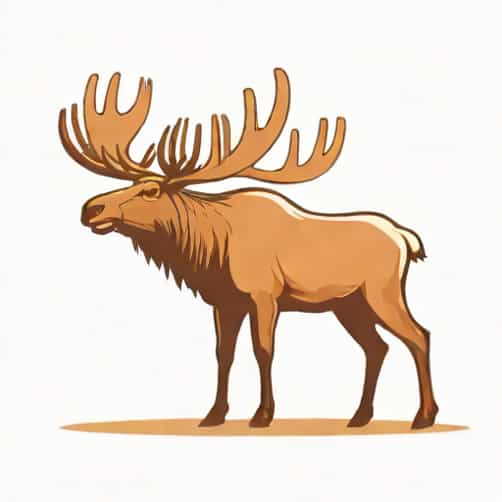
Elk and moose are two of the largest members of the deer family, and while they may appear similar at first glance, they are distinctly different species with unique characteristics. Many people often confuse these majestic animals, especially because both inhabit North America and parts of Europe. Understanding the difference between elk and moose requires a closer look at their physical traits, behavior, habitats, and ecological roles. This knowledge not only enriches wildlife appreciation but also aids in proper identification for hikers, hunters, and nature enthusiasts.
Physical Characteristics
Size and Build
One of the most noticeable differences between elk and moose is their size and build. Moose are generally larger than elk, with adult males standing 5 to 7 feet at the shoulder and weighing between 800 to 1,600 pounds. Their long legs and robust bodies make them well-adapted for moving through deep snow and wetlands. Elk, on the other hand, are slightly smaller, with males typically standing around 4.5 to 5 feet at the shoulder and weighing between 600 to 1,100 pounds. Their build is leaner, reflecting their adaptation to open forests and grasslands.
Antlers
The antlers of elk and moose are strikingly different. Moose males, also called bulls, have broad, palmate antlers that spread outward like the shape of a hand with fingers extended. These antlers can reach up to 6 feet from tip to tip and are primarily used during the rutting season to compete for mates. Elk antlers, in contrast, are long and slender with multiple tines extending upwards in a more branching pattern, often resembling a crown of points. The differences in antler structure make identification easier during the fall and winter months.
Facial Features
Moose have distinctive long, overhanging noses and large, pendulous lips that aid in foraging aquatic vegetation and twigs. Their faces appear elongated and somewhat droopy compared to elk. Elk have more refined, narrower faces with smaller noses. Their eyes are set differently, giving them a gentler expression. Recognizing these facial distinctions can help wildlife watchers quickly differentiate between the two species.
Behavior and Social Structure
Herding and Social Interaction
Elk are highly social animals that often gather in large herds, particularly during the fall and winter. These herds provide protection against predators such as wolves and bears. Moose are more solitary, with adults usually seen alone except during mating season or when a mother is with her calves. This behavioral difference influences how humans encounter these animals in the wild, with elk being more visible in groups and moose often appearing isolated.
Mating and Rutting
During the rutting season, both species display aggressive behaviors, but in different ways. Male elk produce loud bugling calls to attract females and assert dominance over rival males. Moose bulls engage in physical displays and sparring matches using their large palmate antlers. The vocalizations of elk are more frequent and audible over long distances, while moose tend to be quieter, relying more on visual intimidation and close-range confrontations.
Habitat and Distribution
Preferred Habitats
Elk typically inhabit open forests, meadows, and grasslands where they can graze on grasses, shrubs, and young trees. They are highly adaptable and can thrive in mountainous regions as well as plains. Moose prefer wetland habitats, including marshes, swamps, and areas with abundant aquatic vegetation. Their long legs allow them to wade into deep water to feed on aquatic plants, which are a significant part of their diet.
Geographical Range
Both elk and moose are native to North America, but their ranges differ. Elk are commonly found in western North America, including the Rocky Mountains and surrounding regions. They also inhabit parts of the eastern United States due to reintroduction programs. Moose are more widely distributed across northern regions, including Alaska, Canada, and the northern United States, extending into Europe and Russia. Understanding these geographical preferences helps in tracking and conservation efforts.
Diet and Foraging
Elk Diet
Elk are primarily grazers, feeding on grasses, leaves, and bark. They occasionally browse on shrubs and small trees, depending on seasonal availability. Their diet is high in fiber, allowing them to thrive in forest edges and meadows. Elk tend to feed during the early morning and late evening to avoid heat and predators.
Moose Diet
Moose are browsers, focusing on shrubs, twigs, and aquatic plants. They consume willow, birch, and aspen, as well as submerged vegetation in ponds and lakes. Their specialized lips and long tongues help them grasp foliage that is otherwise difficult to reach. The dietary preferences of moose are closely tied to their wetland habitats, making them less likely to be seen in open fields.
Predators and Survival Strategies
Common Predators
Both elk and moose face threats from predators, though the types and risks vary. Wolves, bears, and cougars are natural predators for elk, with calves being more vulnerable. Moose also fall prey to wolves and bears, but their large size and strength often deter many predators, especially adults. Humans are a significant predator for both species due to hunting for sport and food.
Defense Mechanisms
Elk rely on speed and group vigilance to evade predators, often fleeing in tight formations when threatened. Moose depend on their size, powerful legs, and antlers to defend themselves, capable of delivering lethal kicks to predators. Both species have developed survival strategies that suit their respective social structures and habitats.
Conservation Status
Elk Conservation
Elk populations are generally stable in North America due to conservation programs and regulated hunting. Reintroduction projects have helped restore elk to areas where they were previously extirpated. Ongoing habitat management ensures sustainable populations and maintains ecological balance.
Moose Conservation
Moose populations face challenges such as habitat loss, climate change, and parasitic infestations like winter ticks. Conservation efforts focus on protecting wetlands, monitoring population health, and mitigating human-wildlife conflicts. Maintaining healthy moose populations is essential for northern ecosystems, where they play a key role as large herbivores.
Understanding the difference between elk and moose involves examining physical traits, behavior, habitats, and diet. Elk are generally smaller, more social, and grazers of grasslands and meadows, while moose are larger, more solitary, and browsers of wetlands and aquatic vegetation. Antler structure, facial features, and vocalizations also provide clear distinctions between these species. Recognizing these differences enhances wildlife appreciation, promotes safety during encounters, and supports informed conservation practices. Whether observing them in forests, wetlands, or national parks, knowing how to identify elk and moose adds depth to the experience of North American and European wildlife.
Key Differences at a Glance
- Size Moose are larger and heavier than elk.
- Antlers Moose have palmate antlers; elk have branched tines.
- Facial Features Moose have long noses and pendulous lips; elk have narrower faces.
- Behavior Elk are social and herd-based; moose are solitary.
- Habitat Elk prefer open forests and meadows; moose thrive in wetlands.
- Diet Elk are grazers; moose are browsers and aquatic plant feeders.
- Vocalization Elk bugle loudly during rut; moose are quieter.
- Distribution Elk are widespread in western North America; moose are found in northern forests, wetlands, and parts of Europe.