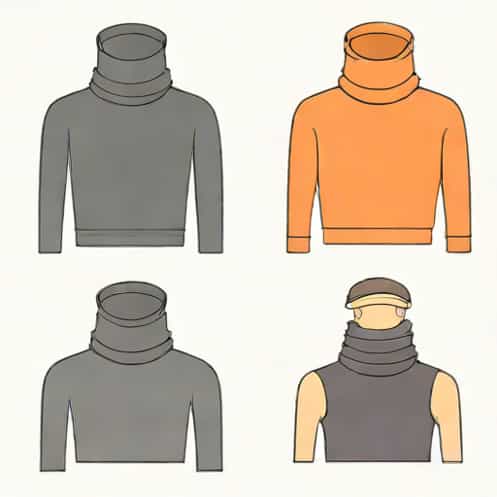
When it comes to winter fashion and layering essentials, the terms skivvy and turtleneck often surface, and while they may seem interchangeable, there are subtle differences that distinguish the two. Understanding these distinctions can help anyone make smarter choices when shopping for cozy tops that provide warmth and style. Both skivvies and turtlenecks are designed to cover the neck and upper body, but their origins, cultural usage, and specific designs vary, making each one unique in its own way. For anyone looking to upgrade their wardrobe with versatile and comfortable pieces, recognizing these differences is key.
Origins and Terminology
The word skivvy is primarily used in Australian and British English. Historically, it referred to a type of undergarment or a simple, close-fitting top, often worn as a base layer. In modern fashion, a skivvy is typically a lightweight, long-sleeved top with a high neckline. It is favored for layering under jackets, sweaters, or dresses because of its slim fit and minimalistic design.
On the other hand, the term turtleneck is more commonly used in American English. Its origin dates back to the early 20th century, inspired by practical clothing meant to cover the neck and protect it from cold weather. Turtlenecks are known for their distinctive rolled or folded collar, which can be adjusted depending on style preferences. While skivvies are sleek and simple, turtlenecks often have a more pronounced, structured neck design that makes a fashion statement on its own.
Design Differences
Neckline
- SkivvyFeatures a high neckline that is close-fitting but usually not folded. The neck coverage is sufficient to keep warmth in without excess fabric.
- TurtleneckHas a taller, often foldable collar that can be rolled down or scrunched. This design offers more versatility and a bolder visual element.
Fit and Fabric
Skivvies are generally lightweight and stretchy, designed to fit snugly against the body. They are often made from materials like cotton, jersey, or thin knit blends, which makes them ideal for layering without adding bulk. Turtlenecks, however, can range from slim-fitting to loose, and the fabric choice can vary from fine knits to thicker wool or cashmere. This difference in fabric thickness and texture can influence how each garment is styled and worn.
Length and Style
Skivvies usually have a simple cut with minimal embellishment and a shorter or standard torso length, perfect for tucking into pants or skirts. Turtlenecks, especially fashion-oriented ones, can feature various cuts, such as cropped, oversized, or fitted, allowing them to be worn as standalone pieces or layered depending on the occasion. This flexibility gives turtlenecks a broader appeal in both casual and formal outfits.
Usage in Fashion
Layering
One of the main functions of a skivvy is layering. Because of its slim fit and lightweight nature, it is excellent for wearing under blazers, jackets, or sweaters without adding unnecessary bulk. Turtlenecks can also be layered, but they often serve as a visible centerpiece in an outfit due to their taller collar and more prominent design. In colder climates, a turtleneck can double as both a layering piece and a statement top.
Seasonal Wear
- SkivvyTypically worn in transitional seasons like spring or autumn, when a light layer is sufficient to provide warmth and comfort.
- TurtleneckOften associated with winter fashion due to its higher collar and thicker fabrics, making it ideal for colder weather.
Cultural and Regional Differences
Language plays a key role in how these garments are identified. In Australia and the UK, people commonly refer to a close-fitting high-neck top as a skivvy, while Americans are more likely to say turtleneck even for similar designs. This regional difference sometimes causes confusion, especially when shopping online or reading international fashion topics. Understanding the context and intended design can help avoid purchasing mistakes.
Styling Tips
Skivvy
- Pair with blazers or cardigans for office-ready layering.
- Wear under dresses for a minimalist, streamlined look.
- Choose neutral colors to maximize versatility.
Turtleneck
- Wear alone with jeans or skirts for a chic winter outfit.
- Layer under coats or chunky sweaters to highlight the rolled collar.
- Experiment with different fabrics like cashmere for luxurious texture.
While skivvies and turtlenecks share similarities, such as high necklines and long sleeves, their differences in design, fabric, fit, and cultural usage make them unique wardrobe staples. Skivvies excel as lightweight, minimalistic layering pieces, while turtlenecks stand out as versatile, stylish tops that can be worn alone or layered for warmth. Knowing these distinctions allows fashion enthusiasts to select the right piece for their needs, ensuring both comfort and style. Whether you are building a winter wardrobe or seeking practical layering solutions, understanding the subtle nuances between a skivvy and a turtleneck is essential for making informed fashion choices.