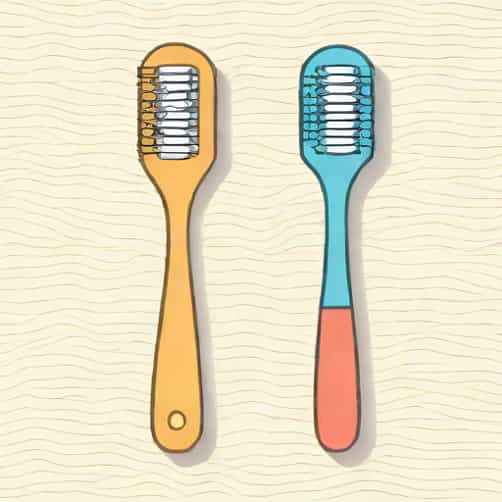
When it comes to maintaining good oral hygiene, the type of toothbrush you use can make a significant difference. Many people wonder whether soft bristle toothbrushes actually work as effectively as medium or hard bristle brushes. While it might seem that harder bristles would clean teeth better, soft bristles have unique advantages that make them a preferred choice for many dental professionals. Understanding how soft bristle toothbrushes function and their benefits can help you make an informed decision for your oral care routine.
How Soft Bristle Toothbrushes Work
Soft bristle toothbrushes are designed to gently clean the surfaces of teeth and gums without causing damage. The bristles are flexible and thin, which allows them to reach areas between teeth and along the gum line more easily than harder bristles. This flexibility ensures that plaque, bacteria, and food ptopics are effectively removed while minimizing the risk of abrasion to enamel or irritation to the gums.
The Role of Bristle Design
The design of a toothbrush bristle is crucial for effective cleaning. Soft bristles are typically tapered or rounded at the tips, which allows them to slip into small crevices and along uneven surfaces of the teeth. Unlike hard bristles, which can sometimes scratch enamel or wear down gums over time, soft bristles provide a thorough clean with a gentle touch. This makes them especially suitable for individuals with sensitive teeth or gums.
Advantages for Sensitive Teeth and Gums
For people with sensitive teeth, receding gums, or gum disease, soft bristle toothbrushes are often recommended. They reduce the likelihood of causing microabrasions on enamel or irritation to delicate gum tissue. Brushing with soft bristles is less likely to trigger pain, bleeding, or discomfort while still effectively removing plaque and surface stains. Over time, this gentle approach can contribute to healthier gums and prevent further dental complications.
Effectiveness Compared to Medium or Hard Bristles
One common misconception is that harder bristles are always better at cleaning teeth. In reality, studies have shown that soft bristles can remove plaque and debris just as effectively as medium or hard bristles, as long as proper brushing techniques are used. The key factor in oral hygiene is not the stiffness of the bristles but the brushing method, frequency, and duration.
Proper Brushing Technique
Even the best toothbrush cannot clean effectively without the right technique. When using a soft bristle toothbrush, it is important to hold the brush at a 45-degree angle to the gums, use gentle circular motions, and cover all surfaces of each tooth. Spending at least two minutes brushing, twice daily, ensures that plaque is thoroughly removed. Soft bristles make it easier to maintain this careful, controlled motion without causing damage.
Reduction of Plaque and Tartar
Soft bristle toothbrushes are effective at removing plaque, which is the sticky film of bacteria that forms on teeth. Regular removal of plaque is essential to prevent tartar buildup, cavities, and gum disease. Although hard bristles might feel like they are scrubbing more aggressively, they do not necessarily provide better plaque removal. Soft bristles can reach the same areas while protecting enamel and gum tissue.
Health Benefits of Using Soft Bristle Toothbrushes
- Prevents Gum DamageGentle bristles minimize gum recession and irritation.
- Protects EnamelReduces the risk of enamel erosion caused by aggressive brushing.
- Reduces SensitivityHelps avoid pain for those with sensitive teeth or gums.
- Promotes Long-Term Oral HealthEncourages consistent brushing habits without discomfort.
- Safe for Orthodontic AppliancesSoft bristles clean effectively around braces and dental implants without causing damage.
Special Considerations
While soft bristle toothbrushes are generally safe for everyone, there are some situations where consulting a dentist is advisable. For example, individuals with severe tartar buildup, advanced gum disease, or specific orthodontic needs may require customized toothbrush recommendations. Dental professionals can provide guidance on the best brush type and technique for each unique oral condition.
Choosing the Right Soft Bristle Toothbrush
When selecting a soft bristle toothbrush, consider factors such as the shape of the brush head, bristle arrangement, and handle design. Smaller brush heads can reach back molars more easily, while multi-level or angled bristles may enhance cleaning effectiveness. Comfortable handles encourage consistent brushing, especially for children or those with limited dexterity. Electric toothbrushes with soft bristles can also provide an extra level of cleaning efficiency for those seeking convenience and thorough plaque removal.
Frequency of Replacement
Soft bristle toothbrushes should be replaced every three to four months, or sooner if the bristles become frayed. Worn-out bristles lose their effectiveness in removing plaque and can harbor bacteria. Regular replacement ensures optimal cleaning performance and helps maintain overall oral hygiene.
Soft bristle toothbrushes are highly effective tools for maintaining oral health. They provide gentle yet thorough cleaning, reduce the risk of gum and enamel damage, and are suitable for individuals with sensitive teeth or specialized dental needs. Proper brushing technique, regular replacement, and attention to dental care habits enhance their effectiveness. By understanding how soft bristles work and using them correctly, individuals can achieve healthy teeth and gums while minimizing the risks associated with more aggressive brushing methods. Choosing a soft bristle toothbrush is not only safe but also a smart strategy for long-term oral hygiene and overall dental well-being.