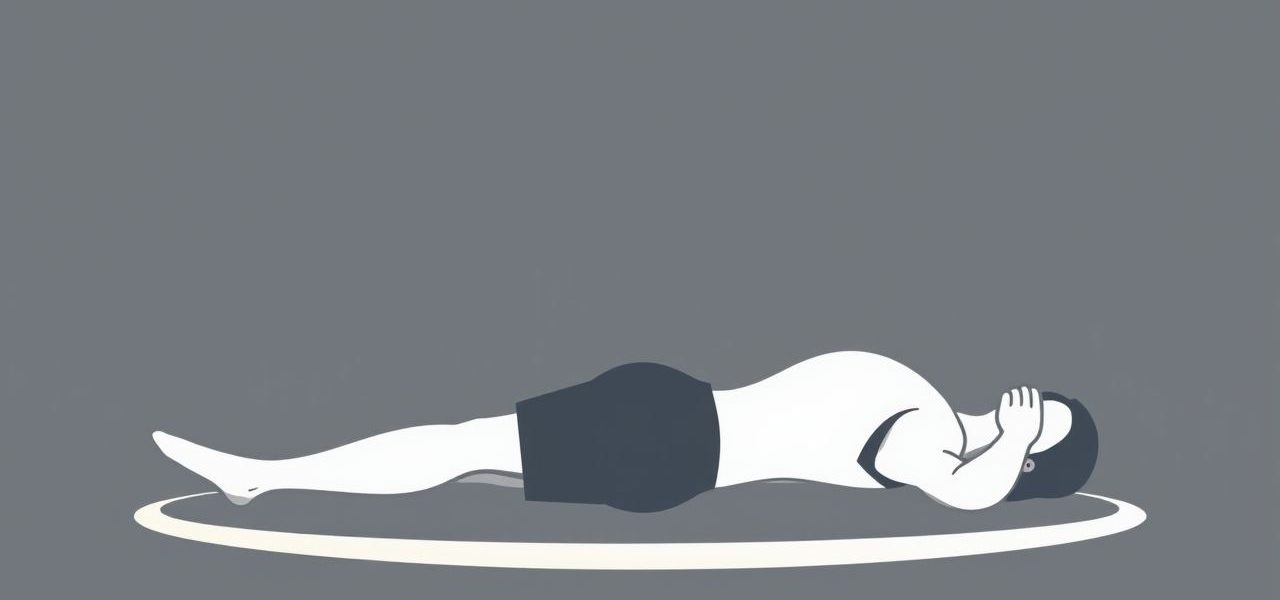
The dorsal recumbent position is a common posture used in both medical and everyday contexts, often highlighted in healthcare manuals, textbooks, and instructional guides. While some people may search for a dorsal recumbent position photo to understand the correct placement of the body, it is equally important to grasp what the position means, its applications, and how it benefits patients. This topic explains the concept in detail, describing its uses in medical procedures, therapy, and daily life. By the end, readers will understand why this position is valuable and how it is applied across different settings.
What Is the Dorsal Recumbent Position?
The dorsal recumbent position refers to lying on the back with the knees bent and the feet flat on the bed or examination table. Unlike the supine position, where the legs are fully extended, this posture provides better comfort and relaxation of the abdominal muscles. A dorsal recumbent position photo often shows a person resting on their back with slightly apart knees, which allows healthcare providers easier access to certain parts of the body during examination.
Key Features of the Position
- Patient lies flat on their back.
- Knees are flexed, and feet are placed flat on the surface.
- Arms may rest at the sides or on the chest for comfort.
- Knees may be kept slightly apart to reduce strain.
Importance in Healthcare
In medical practice, the dorsal recumbent position is commonly used during examinations, treatments, and some surgical preparations. The bent-knee posture helps relax abdominal muscles, making it easier for healthcare providers to palpate organs or assess internal conditions. For this reason, a dorsal recumbent position photo is often included in nursing and medical training resources to teach students how the patient should be placed.
Examinations and Assessments
This posture is often chosen for abdominal examinations, vaginal or rectal exams, and procedures that require access to the lower body. It also allows physicians to check for hernias, abdominal tenderness, or other medical conditions that are easier to detect when the muscles are relaxed.
Comfort for Patients
For patients who cannot remain in a flat supine position due to pain, pregnancy, or respiratory issues, the dorsal recumbent position provides a more natural and comfortable alternative. This is especially beneficial for individuals undergoing prolonged observation or those preparing for therapeutic exercises.
Differences Between Dorsal Recumbent and Supine Position
Although both positions involve lying on the back, they are not identical. A dorsal recumbent position photo will clearly show bent knees, whereas in a supine position, the legs remain straight. These small differences can influence patient comfort and examination results.
- Dorsal recumbent positionKnees bent, feet flat, muscles relaxed.
- Supine positionLegs extended, body flat, used for general rest or surgery.
Applications in Nursing and Medical Training
In nursing education, understanding patient positioning is essential. Students are often shown a dorsal recumbent position photo to help them visualize correct placement before practicing on patients. This ensures they can safely assist patients into the posture without causing discomfort or injury.
Role in Gynecological and Abdominal Exams
Gynecological exams often require patients to be in this position for proper visualization. Similarly, abdominal exams benefit from the relaxation it provides. Nurses and doctors rely on this posture to minimize patient strain and maximize accuracy during assessments.
Use in Physical Therapy and Rehabilitation
Beyond medical exams, the dorsal recumbent position plays a role in therapy and rehabilitation. Physical therapists may ask patients to assume this posture before exercises that strengthen the core or pelvic muscles. A dorsal recumbent position photo in rehabilitation manuals typically shows patients performing controlled breathing or pelvic tilts from this position.
Examples of Therapy Exercises
- Pelvic tilt exercises for lower back relief.
- Abdominal strengthening through controlled breathing.
- Gentle leg lifts to improve circulation.
Everyday Situations Where It Is Used
Interestingly, the dorsal recumbent position is not limited to hospitals or clinics. People naturally assume this posture while resting, stretching, or performing relaxation techniques at home. It provides a balanced alignment for the body, which can ease stress on the spine and improve overall relaxation.
Pregnancy and Childbirth
During late pregnancy or labor, women may be guided into this position for examinations or initial stages of delivery. It allows comfort while also giving healthcare providers access for necessary checks.
Advantages of the Dorsal Recumbent Position
Several benefits make this posture valuable in both professional and personal contexts. A dorsal recumbent position photo illustrates these advantages by showing how the body naturally aligns in this position.
- Reduces abdominal tension for better examination results.
- Provides comfort for patients who cannot lie flat.
- Facilitates gynecological and abdominal procedures.
- Assists in physical therapy and rehabilitation exercises.
- Improves relaxation and spinal alignment in everyday use.
Precautions and Considerations
While the dorsal recumbent position is generally safe, it may not be suitable for all patients. Individuals with severe knee or hip pain may find the bent posture uncomfortable. In such cases, healthcare providers often modify the position with supportive pillows or suggest alternatives. A dorsal recumbent position photo in training guides may also show variations that accommodate patient needs.
Tips for Safe Practice
- Always support the head and neck with a pillow if needed.
- Ensure knees are comfortably bent and not overextended.
- Encourage patients to communicate discomfort during placement.
The dorsal recumbent position remains one of the most widely used body postures in medicine, therapy, and daily life. While many people search for a dorsal recumbent position photo to better understand its appearance, the true value lies in its practical applications. From providing comfort to enabling accurate examinations and supporting therapy, this position demonstrates the importance of body alignment in healthcare and beyond. Whether in hospitals, rehabilitation centers, or even at home, its benefits make it an essential posture that continues to support both medical professionals and patients alike.
By understanding how and when to use the dorsal recumbent position, individuals can appreciate its relevance not only in healthcare but also in everyday well-being. The simplicity of lying on the back with bent knees offers profound advantages, reinforcing why this posture remains a cornerstone in medical practice and therapeutic care.