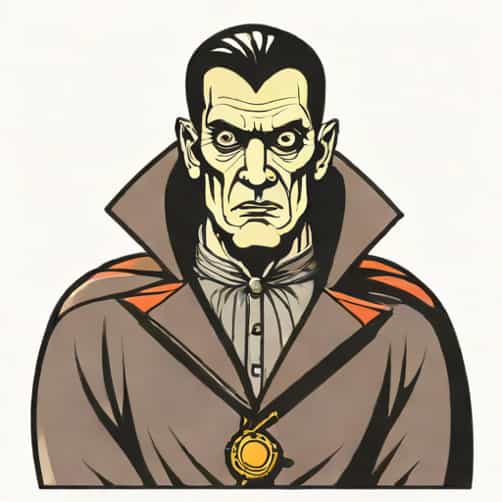
Dracula Prisoner of Frankenstein is a captivating horror film that combines the legends of two of the most iconic monsters in literary and cinematic history Dracula and Frankenstein. Released in the early 1970s, this film is a unique entry in the gothic horror genre, merging elements of vampire mythology with the scientific horror of Frankenstein’s monster. It explores themes of obsession, scientific experimentation, and supernatural terror while offering audiences a visually striking and suspenseful experience. The film remains notable for its atmospheric setting, eerie cinematography, and the way it intertwines two classic horror universes into a single narrative.
Plot Overview
The story of Dracula Prisoner of Frankenstein revolves around Count Dracula, who becomes a pawn in the schemes of Dr. Frankenstein, the infamous scientist known for creating life through unnatural means. The narrative explores how Dracula, traditionally a symbol of dark power and immortality, finds himself vulnerable under Frankenstein’s experiments. The plot combines elements of gothic horror with science fiction, creating a tension-filled atmosphere where the boundaries between life, death, and the supernatural blur. Throughout the film, viewers are taken on a journey through eerie castles, laboratories filled with arcane equipment, and shadowy forests, heightening the sense of suspense and dread.
Main Characters
The film features several key characters who drive the story forward
- Count DraculaThe legendary vampire who is both feared and respected, Dracula struggles to maintain his power while being subjected to Frankenstein’s scientific ambitions.
- Dr. FrankensteinThe brilliant but morally ambiguous scientist whose obsession with creating life leads him to manipulate Dracula for his experiments.
- MariaA young woman caught in the crossfire between Dracula and Frankenstein, representing innocence and the human element amidst supernatural chaos.
- Henchmen and assistantsVarious supporting characters who help Frankenstein in his experiments or serve Dracula in his quest for survival and dominance.
Thematic Elements
Dracula Prisoner of Frankenstein explores a range of themes that resonate with fans of gothic horror. One central theme is the tension between science and the supernatural. Frankenstein represents human curiosity and the pursuit of knowledge, even at ethical costs, while Dracula embodies ancient, mystical power beyond human understanding. The clash between these forces creates a narrative rich in moral and philosophical questions.
Obsession and Power
The film also examines obsession and the desire for control. Dr. Frankenstein’s relentless pursuit of creating life mirrors Dracula’s own need for dominance over others. Both characters are driven by powerful ambitions, yet they encounter limits that challenge their perceived invincibility. This struggle for control adds psychological depth to the horror, emphasizing that even the most powerful beings are not immune to vulnerability and consequence.
Cinematic Style and Atmosphere
One of the most striking features of Dracula Prisoner of Frankenstein is its atmospheric cinematography and gothic visual style. The film utilizes shadowy lighting, fog-filled landscapes, and elaborate set designs to evoke a sense of unease and suspense. The dark castles, eerie laboratories, and night-time scenes contribute to the film’s ominous tone. Directors of the era often employed these techniques to immerse viewers in a world where danger and terror lurk around every corner.
Music and Sound Design
The soundtrack of Dracula Prisoner of Frankenstein plays a crucial role in building tension and enhancing the horror experience. Haunting musical scores, sudden crescendos, and eerie sound effects heighten moments of suspense and emphasize the supernatural elements of the story. Sound design is carefully integrated with visual cues, creating an immersive experience that keeps audiences on edge throughout the film.
Reception and Legacy
Upon its release, Dracula Prisoner of Frankenstein received mixed reviews from critics but found a dedicated audience among horror enthusiasts. While some reviewers criticized the film for its unusual blending of two iconic horror legends, many praised its inventive storytelling, atmospheric settings, and ambitious attempt to merge two universes. Over time, the film has gained recognition as a cult classic within the gothic horror and vampire cinema communities.
Cult Following
The film’s enduring appeal lies in its unique concept and stylistic choices. Fans of classic horror appreciate the merging of Dracula and Frankenstein as a daring narrative experiment. The film has inspired discussions, fan analyses, and retrospectives that examine its contribution to horror cinema, its visual style, and its thematic exploration of power, science, and the supernatural. Its cult status ensures that it continues to be discovered and appreciated by new generations of horror aficionados.
Impact on Horror Genre
Dracula Prisoner of Frankenstein is an example of how horror films can innovate by combining established mythologies. By bringing together Dracula and Frankenstein, the film challenged traditional storytelling and inspired other filmmakers to experiment with crossovers and genre blends. Its approach demonstrates the flexibility of horror as a genre and its capacity to address both psychological and supernatural fears. The film’s emphasis on mood, suspense, and moral dilemmas influenced subsequent gothic and vampire films, cementing its place in horror history.
Comparison with Other Dracula and Frankenstein Films
Unlike traditional Dracula films, which often focus on romanticized horror or vampiric seduction, Dracula Prisoner of Frankenstein emphasizes the intersection of science and the supernatural. Similarly, while many Frankenstein adaptations focus on the creation of the monster and its existential plight, this film explores the ethical and supernatural consequences of using Dracula as part of an experiment. The combination results in a story that is both familiar and refreshingly original, offering a distinct take on two legendary horror figures.
Dracula Prisoner of Frankenstein remains a unique and memorable entry in the gothic horror genre. Its fusion of Dracula’s vampiric terror with Frankenstein’s scientific horror creates a compelling narrative that explores themes of power, obsession, and ethical dilemmas. Through atmospheric cinematography, haunting music, and engaging characters, the film delivers a chilling experience that continues to captivate audiences. While it may have initially faced critical skepticism, its creativity, cult following, and influence on horror cinema underscore its enduring significance. For fans of gothic horror and classic monsters, Dracula Prisoner of Frankenstein offers a fascinating glimpse into a world where legendary figures collide in a tale of suspense and supernatural intrigue.