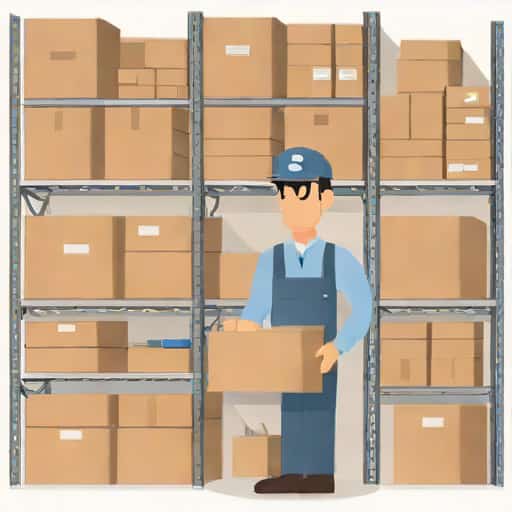
The role of a storekeeper in a warehouse is vital for the smooth functioning of inventory management, supply chain efficiency, and overall organizational productivity. A storekeeper is responsible for receiving, storing, and issuing goods, as well as maintaining accurate records of stock. This position requires attention to detail, organizational skills, and knowledge of inventory management systems. Storekeepers ensure that goods are available when needed, prevent stock discrepancies, and contribute to the overall safety and orderliness of the warehouse. Understanding the duties and responsibilities of a storekeeper is essential for companies seeking to maintain an effective and reliable warehouse operation.
Main Duties of a Storekeeper
A storekeeper has a wide range of duties that ensure proper management of warehouse operations. These duties focus on handling goods efficiently, maintaining accurate records, and ensuring that the warehouse operates smoothly and safely. By fulfilling these responsibilities, a storekeeper contributes significantly to minimizing losses, optimizing storage space, and supporting the logistics team.
Receiving and Inspecting Goods
- Receive incoming shipments and verify the quantity and quality of goods
- Inspect items for damage or discrepancies against purchase orders
- Report damaged or missing items to the supervisor or purchasing department
- Ensure goods are correctly labeled and documented before storage
Proper inspection and documentation help prevent stock discrepancies and ensure that only high-quality goods are stored in the warehouse. This step is crucial for maintaining the reliability of inventory records.
Storing and Organizing Inventory
- Store goods in designated areas according to warehouse layout
- Use labeling and tagging systems for easy identification and retrieval
- Ensure that items are stored safely and according to storage requirements
- Maintain clean and organized storage areas to optimize space and efficiency
Efficient storage practices allow for faster retrieval of goods and reduce the risk of damage or loss. Organizing inventory strategically also supports smooth warehouse operations during peak periods.
Issuing and Dispatching Goods
- Prepare goods for dispatch according to internal requests or customer orders
- Verify the accuracy of issued items against delivery notes or requisitions
- Ensure proper packaging and labeling before dispatch
- Coordinate with the transport or logistics team for timely delivery
Issuing goods accurately and efficiently is a critical responsibility. Mistakes in this process can lead to delays, customer dissatisfaction, or stock shortages.
Maintaining Inventory Records
- Keep accurate records of all incoming and outgoing goods
- Update inventory management systems regularly
- Monitor stock levels to prevent overstocking or shortages
- Generate reports on inventory status for management review
Proper record-keeping ensures that management has real-time information about stock availability and helps in planning future procurement. Accurate records also assist in auditing and compliance processes.
Additional Responsibilities
Besides handling stock, a storekeeper has other responsibilities that contribute to the overall efficiency and safety of the warehouse. These responsibilities require strong organizational skills, communication, and a proactive approach to problem-solving.
Ensuring Safety and Compliance
- Adhere to warehouse safety standards and protocols
- Ensure that hazardous materials are stored correctly
- Conduct regular checks to prevent accidents or injuries
- Comply with company policies, legal regulations, and quality standards
Warehouse safety is crucial for protecting both employees and goods. A storekeeper plays a significant role in maintaining a safe working environment and minimizing potential risks.
Coordinating with Other Departments
- Communicate with procurement and purchasing teams about stock levels
- Work with sales and logistics departments to fulfill customer orders
- Coordinate with quality control to ensure product standards
- Assist management in planning inventory strategies and storage solutions
Collaboration between departments ensures smooth operations, reduces errors, and improves overall warehouse productivity. A storekeeper acts as a key point of communication in this process.
Performing Regular Inventory Audits
- Conduct periodic stock counts to reconcile physical inventory with records
- Identify discrepancies and report them for investigation
- Analyze inventory turnover rates and suggest improvements
- Ensure accurate valuation of stock for financial purposes
Regular audits help maintain transparency and prevent theft, loss, or mismanagement of stock. It also allows management to make informed decisions about procurement and storage.
Skills Required for a Storekeeper
To effectively carry out these duties and responsibilities, a storekeeper must possess certain skills and attributes. These skills enable them to manage inventory efficiently, maintain accurate records, and ensure smooth warehouse operations.
Key Skills
- Attention to detail for accurate record-keeping and inspection
- Organizational skills to manage large volumes of stock effectively
- Communication skills for coordination with different departments
- Basic computer literacy for using inventory management systems
- Problem-solving skills to handle stock discrepancies or operational challenges
- Physical stamina for handling heavy goods and long hours in the warehouse
Possessing these skills ensures that the storekeeper can perform efficiently, reduce errors, and contribute to the overall success of the warehouse.
The duties and responsibilities of a storekeeper in a warehouse encompass receiving, inspecting, storing, issuing, and maintaining records of inventory. Additionally, they ensure safety compliance, coordinate with other departments, and conduct regular audits to prevent discrepancies. A competent storekeeper not only manages inventory efficiently but also supports the overall productivity and success of the organization. By understanding the expectations, responsibilities, and required skills for this role, companies can maintain organized, efficient, and safe warehouse operations, while employees in the role of storekeeper can optimize their performance and career growth within the logistics and supply chain sectors.