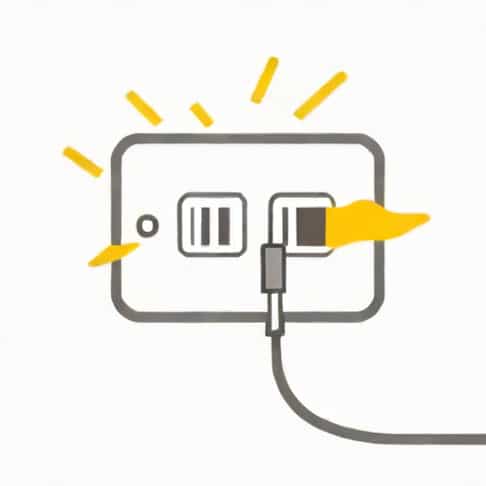
Noticing sparks from an electrical outlet when plugging in a device can be alarming and concerning for any homeowner or tenant. While occasional tiny sparks may occur due to normal contact between the plug and the outlet, consistent or large sparks indicate potential electrical issues that need immediate attention. Understanding why outlets spark, the risks involved, and the proper steps to take can prevent serious hazards such as electrical fires, damaged appliances, and even personal injury. This topic explores common causes, warning signs, safety precautions, and solutions for outlets that spark when plugging in devices.
Common Causes of Electrical Outlet Sparks
Sparking in an electrical outlet can occur for several reasons, ranging from minor and benign to severe and hazardous. Recognizing the cause is essential to determine the urgency of repair or replacement.
1. Loose Wiring
Loose wiring inside the outlet or electrical box is one of the most common causes of sparks. When the wires are not tightly connected to the outlet terminals, electricity may arc as the current jumps across gaps, producing visible sparks. Loose wiring is dangerous because it can generate heat over time, potentially leading to fires.
2. Worn or Damaged Outlets
Outlets that are old or damaged often have internal components that have deteriorated. The metal contacts inside may no longer hold the plug securely, causing arcing and sparking when inserting or removing a device. Signs of wear include discoloration, burn marks, or a loose feel when inserting a plug.
3. Overloaded Circuits
Plugging in devices that draw too much current or using multiple high-power appliances on the same circuit can overload an outlet. Overloading causes increased electrical resistance, which may produce sparks and heat. Frequent sparking in this context indicates a need to redistribute electrical load or upgrade wiring.
4. Short Circuits
A short circuit occurs when a live wire touches a neutral or ground wire, creating a sudden surge of electrical current. This surge can cause sparks at the outlet and potentially trip circuit breakers. Short circuits are particularly dangerous and require immediate professional attention.
Signs That Your Outlet Sparks Are a Serious Problem
While a small spark occasionally may occur due to normal plug contact, repeated or intense sparking indicates a more serious electrical issue. Look for the following warning signs
- Frequent sparking every time a device is plugged in.
- Burn marks or discoloration around the outlet.
- Flickering lights on the same circuit.
- A burning smell near the outlet.
- Hot or warm outlet faceplates.
If any of these signs are present, it is important to stop using the outlet and consult a licensed electrician immediately to prevent fire hazards or equipment damage.
Safety Precautions When Dealing With Sparking Outlets
Electricity is hazardous, and improper handling of sparking outlets can lead to injury or fire. Take the following safety measures
- Do not touch the outlet or plug with wet hands.
- Unplug devices carefully and avoid forcing them into the outlet.
- Turn off the circuit breaker before inspecting or working near the outlet.
- Keep flammable materials away from the sparking area.
- Use a voltage tester to ensure no current is flowing before attempting any DIY inspection.
Solutions for Electrical Outlets That Spark
The proper approach to fixing a sparking outlet depends on the underlying cause. Here are recommended solutions
1. Tightening Loose Wiring
If a qualified electrician identifies loose connections, they can tighten the wiring inside the outlet. This simple fix can often eliminate sparking and reduce the risk of heat buildup or arcing.
2. Replacing Worn or Damaged Outlets
Outlets that are cracked, burnt, or excessively worn should be replaced. Modern outlets often include improved safety features such as tamper-resistant shutters and better contact mechanisms to prevent future sparking. Replacement should always be done by a licensed professional.
3. Redistributing Electrical Load
To address overloading issues, avoid plugging multiple high-wattage devices into the same outlet or circuit. Consider adding additional outlets or upgrading the circuit to handle higher loads safely.
4. Repairing Short Circuits
Short circuits require careful diagnosis and repair. A licensed electrician can identify the faulty wiring, damaged appliance, or defective outlet that is causing the short and correct it. Attempting to repair a short circuit without proper training is extremely dangerous.
Preventive Measures to Avoid Sparking Outlets
Prevention is always better than repair. Homeowners can reduce the risk of sparking outlets by following these steps
- Regularly inspect outlets for signs of wear or damage.
- Avoid overloading outlets with too many devices.
- Use surge protectors to minimize stress on electrical systems.
- Install modern outlets with built-in safety features.
- Schedule periodic electrical inspections by licensed electricians.
When to Call a Professional
Any consistent sparking should be taken seriously. Homeowners should call a licensed electrician if they notice repeated sparks, smoke, or unusual heat coming from outlets. Electrical issues are a leading cause of house fires, and professional intervention ensures safety and compliance with local electrical codes. It’s important not to ignore sporadic or severe sparking, as this can escalate quickly into more serious problems.
What to Expect During Professional Inspection
When an electrician inspects a sparking outlet, they will typically
- Turn off power to the circuit to prevent accidents.
- Remove the outlet cover and examine the wiring connections.
- Check for signs of wear, overheating, or corrosion.
- Test the circuit for proper voltage and current flow.
- Recommend repair or replacement of the outlet and associated wiring as needed.
Electrical outlets that spark when plugging in devices should never be ignored. While small, occasional sparks may occur due to plug insertion, frequent or intense sparking is a sign of potential hazards, including loose wiring, worn outlets, overloading, or short circuits. Homeowners should follow safety precautions, avoid DIY fixes if unsure, and seek licensed electricians for inspection and repair. Regular maintenance, careful use of outlets, and adherence to electrical safety standards can prevent sparking, reduce fire risk, and protect both property and personal safety. Understanding the causes and solutions for sparking outlets empowers homeowners to act quickly and responsibly, ensuring a safe and reliable electrical system in the home.