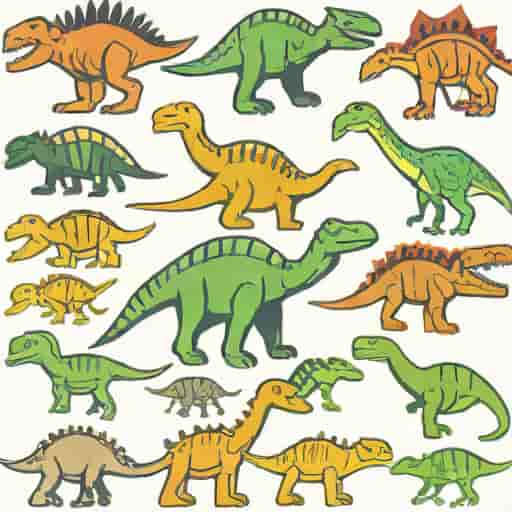
The world of dinosaurs and other prehistoric creatures has fascinated people for generations. Long before humans existed, the Earth was inhabited by enormous reptiles, strange mammals, flying creatures, and marine giants that shaped ancient ecosystems. An encyclopedia of dinosaurs and other prehistoric creatures helps readers understand how life evolved over millions of years, offering insight into extinct species, their environments, and the scientific discoveries that continue to reveal their stories. This topic appeals not only to scientists and students, but also to general readers who are curious about Earth’s distant past.
The Purpose of an Encyclopedia of Prehistoric Life
An encyclopedia of dinosaurs and other prehistoric creatures serves as a comprehensive reference that organizes vast amounts of scientific knowledge into an accessible format. It collects information about different species, geological time periods, fossil discoveries, and evolutionary relationships.
Unlike simple lists of animals, an encyclopedia provides context. It explains how creatures lived, what they ate, how they moved, and how they interacted with their environment. This makes it easier for readers to understand prehistoric life as a dynamic and interconnected system rather than a collection of isolated facts.
Understanding the Age of Dinosaurs
Dinosaurs lived during the Mesozoic Era, which lasted for about 180 million years. This era is divided into three major periods the Triassic, Jurassic, and Cretaceous. Each period featured different climates, continents, and dominant species.
Triassic Period
The Triassic Period marked the early rise of dinosaurs. During this time, dinosaurs were generally smaller and shared the planet with many other reptiles. Early dinosaurs adapted to changing environments and slowly became more diverse.
Jurassic Period
The Jurassic Period is often associated with giant dinosaurs. This period saw the emergence of massive herbivores and powerful predators. Lush vegetation and warm climates supported large populations of plant-eating dinosaurs.
Cretaceous Period
The Cretaceous Period was the final chapter of dinosaur dominance. Flowering plants appeared, and dinosaurs reached their greatest diversity. This period ended with a mass extinction event that wiped out most dinosaur species.
Famous Dinosaurs Found in Encyclopedias
An encyclopedia of dinosaurs typically includes well-known species that capture public imagination. These dinosaurs are often highlighted because of their size, appearance, or role in scientific research.
- Tyrannosaurus rex, known for its powerful jaws
- Triceratops, recognizable by its three horns
- Stegosaurus, with distinctive plates along its back
- Velociraptor, a small but intelligent predator
Each entry usually describes physical characteristics, habitat, diet, and estimated behavior based on fossil evidence.
Other Prehistoric Creatures Beyond Dinosaurs
While dinosaurs are the most famous prehistoric animals, an encyclopedia of prehistoric creatures goes far beyond them. Many other fascinating organisms lived before, during, and after the age of dinosaurs.
Prehistoric Marine Life
Ancient oceans were home to enormous predators and unusual fish. Marine reptiles such as ichthyosaurs and plesiosaurs ruled the seas, while massive sharks and armored fish thrived long before modern marine species appeared.
These creatures played crucial roles in ancient food chains and demonstrate how life adapted to underwater environments.
Flying Prehistoric Creatures
Not all prehistoric animals lived on land or in the sea. Flying reptiles, known as pterosaurs, were the first vertebrates to achieve powered flight. They varied in size, from small species to giants with wingspans rivaling small airplanes.
Encyclopedias explain how these animals flew, what they ate, and how they differed from modern birds.
Prehistoric Mammals
After the extinction of dinosaurs, mammals began to diversify rapidly. Prehistoric mammals included large herbivores, saber-toothed predators, and early primates.
These animals laid the foundation for modern mammals, including humans. An encyclopedia helps readers trace this evolutionary journey.
How Fossils Help Build Encyclopedic Knowledge
Fossils are the primary source of information about prehistoric creatures. They include bones, teeth, footprints, and even preserved skin impressions. Scientists study fossils to reconstruct how ancient animals looked and lived.
An encyclopedia of dinosaurs and prehistoric creatures often explains how fossils are formed and discovered. It also highlights important fossil sites around the world that have contributed to our understanding of ancient life.
Reconstructing Prehistoric Environments
Understanding prehistoric creatures requires understanding their environments. Encyclopedias describe ancient climates, vegetation, and landscapes to show how different species adapted to their surroundings.
For example, some dinosaurs lived in dense forests, while others thrived in open plains or coastal regions. Climate changes over millions of years influenced evolution and extinction.
The Role of Science and Technology
Modern technology has transformed the study of prehistoric life. Advanced imaging, computer modeling, and chemical analysis allow scientists to learn more from fossils than ever before.
An encyclopedia often includes updated interpretations based on new discoveries. This highlights the fact that scientific knowledge evolves over time as new evidence emerges.
Why Dinosaurs and Prehistoric Creatures Still Matter
Studying extinct animals is not just about the past. It helps scientists understand evolution, adaptation, and extinction. These lessons are relevant today as modern species face environmental changes.
For general readers, dinosaurs and prehistoric creatures inspire curiosity and imagination. They encourage interest in science, history, and the natural world.
Educational Value for All Ages
An encyclopedia of dinosaurs and other prehistoric creatures is valuable for readers of all ages. Children enjoy learning about giant animals, while adults appreciate the scientific explanations behind the discoveries.
Clear language, structured entries, and engaging facts make encyclopedias effective learning tools. They can support school education or personal exploration.
Common Topics Covered in Prehistoric Encyclopedias
Most encyclopedias include a wide range of topics to provide a complete picture of prehistoric life.
- Geological time scales
- Major extinction events
- Evolutionary relationships
- Fossil discovery methods
- Differences between reptiles, birds, and mammals
These topics help readers connect individual species to larger scientific concepts.
An encyclopedia of dinosaurs and other prehistoric creatures opens a window into a world that existed long before humans. By combining scientific research with clear explanations, it helps readers understand how ancient life evolved, thrived, and eventually disappeared.
This type of encyclopedia is more than a collection of facts. It tells the story of Earth’s history through the lives of extraordinary creatures. For anyone curious about dinosaurs, prehistoric animals, and the science behind them, such an encyclopedia remains an invaluable and endlessly fascinating resource.