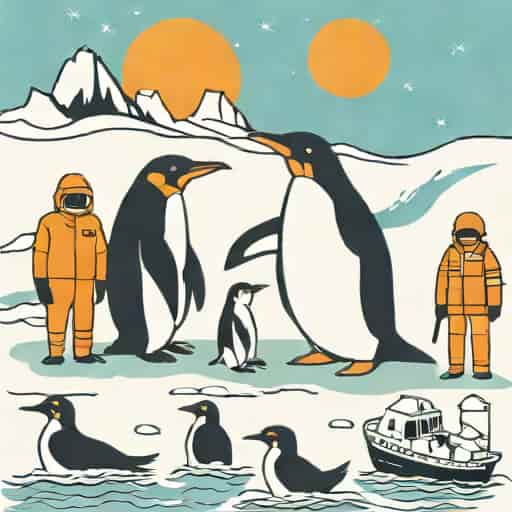
The mining of Antarctica has become a topic of significant international debate, with environmentalists strongly opposing any exploitation of this pristine and fragile ecosystem. Antarctica is not only the coldest and driest continent on Earth, but it is also home to unique wildlife, delicate ecosystems, and vast ice reserves that play a critical role in regulating global climate. Environmentalists argue that mining operations could cause irreversible damage, threatening biodiversity, accelerating climate change, and disrupting one of the last untouched natural environments on the planet. The opposition to mining is rooted in scientific, ethical, and ecological concerns, emphasizing the need to protect Antarctica for future generations.
Importance of Antarctica
Antarctica is often referred to as the last great wilderness on Earth. Its ice sheets contain about 60% of the world’s fresh water, and its ecosystems support species found nowhere else, such as emperor penguins, Weddell seals, and unique microorganisms adapted to extreme conditions. The continent’s ice plays a vital role in reflecting sunlight, regulating sea levels, and maintaining global climate stability. Mining activities could disrupt these natural processes, leading to far-reaching consequences beyond the continent itself.
Scientific Significance
Antarctica serves as a critical area for scientific research. Researchers study its ice cores to understand past climate conditions, which helps predict future climate changes. The pristine environment also allows scientists to study ecosystems that have evolved without human interference. Environmentalists stress that mining could contaminate these delicate systems, making it impossible to conduct accurate scientific studies and eroding knowledge crucial for understanding climate change and global environmental patterns.
Environmental Concerns
Mining in Antarctica poses multiple environmental threats. Even small-scale mining operations could have devastating impacts due to the continent’s extreme and sensitive environment. The harsh climate slows natural recovery processes, meaning any disturbance can last for decades or even centuries.
Pollution Risks
Mining activities typically involve the use of chemicals, heavy machinery, and waste production. These activities could release pollutants into the environment, contaminating water, soil, and air. Oil spills, chemical leaks, and waste disposal are particularly concerning in Antarctica because the cold temperatures reduce decomposition rates, allowing contaminants to persist and accumulate in ecosystems over long periods.
Impact on Wildlife
The unique species of Antarctica are highly adapted to their environment and are extremely vulnerable to disturbances. Mining operations could lead to habitat destruction, noise pollution, and human intrusion, which threaten the survival of penguins, seals, and seabirds. Even minimal human presence can disrupt breeding and feeding patterns, leading to population declines and long-term ecological imbalance.
Climate Change Implications
Environmentalists also highlight that mining activities could accelerate ice melting and contribute to global sea-level rise. The extraction of minerals and construction of infrastructure would disturb the ice sheets and permafrost, releasing trapped greenhouse gases and destabilizing the region. Any increase in local temperature or ice melt can have cascading effects on the global climate, affecting weather patterns, ocean currents, and coastal communities worldwide.
Legal and Political Framework
The Antarctic Treaty System, established in 1959, provides a legal framework for the protection of the continent. It prohibits military activity, mineral mining, and nuclear testing, and promotes scientific research and environmental preservation. The Madrid Protocol, adopted in 1991, specifically bans mining activities and designates Antarctica as a natural reserve, devoted to peace and science. Environmentalists argue that any attempt to override these protections would violate international agreements and compromise global environmental governance.
Global Opposition to Mining
Countries around the world, including major stakeholders in the Antarctic Treaty, have expressed opposition to mining. Environmental organizations actively campaign against exploitation, raising awareness of the ecological risks and urging governments to maintain strict protection measures. NGOs, scientists, and international coalitions emphasize that Antarctica is a global heritage site and should not be subject to commercial exploitation for short-term economic gain.
Ethical Considerations
Beyond environmental and scientific concerns, environmentalists stress the ethical responsibility to protect Antarctica. The continent is one of the few remaining areas on Earth untouched by large-scale industrial activity, and preserving it is a moral obligation for humanity. Exploiting Antarctica for minerals would prioritize immediate profits over the long-term health of the planet and the survival of unique species that cannot be found anywhere else.
Intergenerational Responsibility
Environmentalists argue that current generations have a duty to preserve Antarctica for future generations. Mining could cause irreversible changes that deprive future humans and wildlife of its ecological, scientific, and cultural value. Protecting the continent ensures that it continues to serve as a natural laboratory for research and a symbol of global environmental stewardship.
Alternative Solutions
Environmental groups advocate for alternative strategies to meet resource needs without exploiting Antarctica. These include
- Investing in sustainable mining practices in less sensitive areas.
- Developing recycling and resource recovery technologies to reduce demand for raw minerals.
- Promoting renewable energy and reducing dependence on fossil fuels and other non-renewable resources.
- Strengthening international cooperation to protect vulnerable ecosystems worldwide.
Promoting Conservation Efforts
Conservation initiatives, including the creation of marine protected areas and stricter environmental monitoring, help safeguard Antarctic ecosystems. Environmentalists encourage governments and organizations to increase funding for research, monitoring, and conservation projects that maintain biodiversity and prevent ecological degradation caused by human activity.
Environmentalists oppose the mining of Antarctica due to its fragile ecosystems, unique wildlife, and critical role in global climate regulation. Mining poses serious threats including pollution, habitat destruction, climate disruption, and loss of scientific value. International treaties like the Antarctic Treaty and the Madrid Protocol exist to prevent exploitation, reflecting the global consensus that the continent should remain a natural reserve devoted to peace and science. By raising awareness, advocating for conservation, and promoting sustainable alternatives, environmentalists aim to ensure that Antarctica remains protected for current and future generations, preserving one of the planet’s last untouched wildernesses.