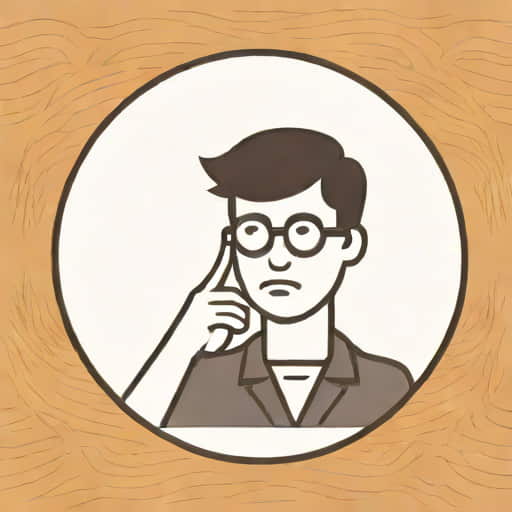
Feeling annoyed at the sight of unfair treatment is a common human reaction that cuts across age, culture, and background. Many people experience a strong emotional response when they see someone being treated unfairly, whether in the workplace, at school, in public spaces, or even in everyday conversations. This feeling can range from mild irritation to deep anger, and it often reflects a person’s values, sense of justice, and empathy for others.
Understanding the Emotion Behind Annoyance
Annoyance is an emotional response that signals discomfort or dissatisfaction. When it arises from unfair treatment, it is often tied to a deeper sense of moral judgment. People naturally compare situations to what they believe is fair or right, and when reality clashes with those beliefs, emotional tension occurs.
Why Unfairness Triggers Strong Reactions
Humans are social beings who rely on cooperation and shared rules. Fairness helps maintain trust and balance in relationships. When unfair treatment appears, it threatens this balance, triggering emotional reactions such as annoyance or frustration.
The Role of Empathy
Feeling annoyed at the sight of unfair treatment often stems from empathy. Even if a person is not directly affected, seeing someone else treated unjustly can evoke strong emotions because of the ability to imagine oneself in that situation.
Common Situations Where Unfair Treatment Is Observed
Unfair treatment can appear in many aspects of daily life, making it a frequent trigger for annoyance.
Workplace Inequality
In professional environments, unfair treatment may involve favoritism, unequal workloads, or biased decision-making. Witnessing these behaviors can lead to resentment and reduced morale.
Educational Settings
Students often feel annoyed when teachers or administrators apply rules inconsistently. Seeing classmates rewarded or punished unfairly can cause lasting frustration.
Social and Public Spaces
In public settings, unfair treatment might include discrimination, disrespect, or unequal access to services. These moments can be particularly upsetting because they occur in shared spaces.
Psychological Roots of Annoyance
The feeling of annoyance at unfair treatment is closely linked to psychological processes.
Sense of Justice
Many people develop a strong sense of justice early in life. This internal compass helps guide behavior and expectations. When fairness is violated, emotional discomfort arises.
Loss of Control
Seeing unfair treatment can create a sense of helplessness. The inability to immediately correct the situation often intensifies annoyance.
Physical and Emotional Effects
Annoyance is not just an emotional experience; it can also have physical effects.
Stress Response
Witnessing unfair treatment can trigger stress responses such as increased heart rate or muscle tension. Over time, repeated exposure may contribute to chronic stress.
Emotional Spillover
Annoyance can spill over into other areas of life, affecting mood, relationships, and productivity.
Positive Aspects of Feeling Annoyed at Unfairness
Although annoyance is often viewed negatively, it can serve a constructive purpose.
Motivation for Change
Feeling annoyed at unfair treatment can motivate individuals to speak up, support others, or work toward social change.
Strengthening Values
These emotions reinforce personal values and clarify what a person stands for.
When Annoyance Becomes Overwhelming
While occasional annoyance is normal, constant exposure to unfair treatment can lead to emotional exhaustion.
Emotional Burnout
Repeatedly feeling annoyed without resolution can lead to burnout, cynicism, or withdrawal.
Impact on Mental Health
Long-term frustration over unfairness may contribute to anxiety or depressive symptoms if not addressed.
Healthy Ways to Respond to Unfair Treatment
Managing feelings of annoyance in a healthy way is essential for emotional well-being.
Pause and Reflect
Taking a moment to reflect on the situation can help reduce emotional intensity and clarify next steps.
Choose Constructive Action
When possible, addressing unfair treatment calmly and respectfully can lead to positive outcomes.
Communication as a Tool
Effective communication helps transform annoyance into productive dialogue.
Expressing Concerns Clearly
Sharing concerns with the right people can bring attention to unfair practices.
Listening to Different Perspectives
Understanding other viewpoints may reveal factors that were not immediately obvious.
Building Emotional Resilience
Resilience helps individuals cope with unfair situations without becoming overwhelmed.
Developing Emotional Awareness
Recognizing emotional triggers allows for better self-regulation.
Practicing Self-Care
Regular self-care activities help release stress and restore emotional balance.
Social and Cultural Influences
Perceptions of fairness vary across cultures and social groups.
Cultural Expectations
Different cultures define fairness in unique ways, influencing emotional reactions.
Social Norms
Social norms shape how unfair treatment is recognized and addressed.
Teaching Fairness and Emotional Awareness
Learning about fairness from an early age helps shape emotional responses.
Role of Education
Education can teach children to recognize unfairness and respond constructively.
Modeling Behavior
Adults who model fair behavior influence how others handle similar situations.
Recognizing When to Let Go
Not all situations can be changed immediately.
Accepting Limitations
Understanding personal limits helps prevent constant frustration.
Focusing on What Can Be Controlled
Redirecting energy toward controllable actions supports emotional health.
Key Signs You Are Reacting to Unfair Treatment
- Persistent irritation or frustration
- Strong emotional reactions to injustice
- Desire to intervene or speak out
- Difficulty letting go of the situation
Feeling annoyed at the sight of unfair treatment is a natural and meaningful emotional response. It reflects empathy, a sense of justice, and awareness of social dynamics. While this feeling can be uncomfortable, it also has the potential to inspire positive action and personal growth. By understanding the roots of this emotion and learning healthy ways to respond, individuals can protect their well-being while still standing up for fairness and respect in everyday life.