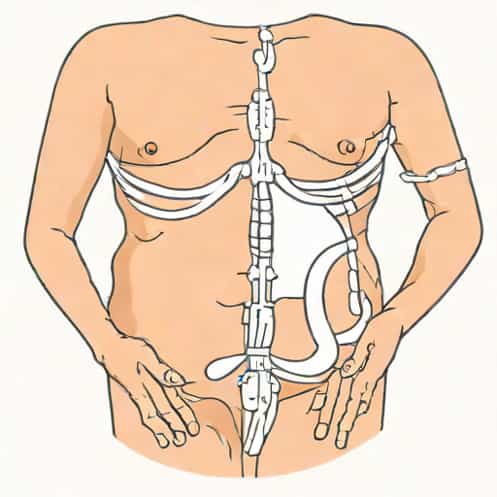
Many transgender men and nonbinary individuals who transition seek bottom surgery as part of their gender-affirming journey. The topic of FTM bottom surgery results when healed is one that generates curiosity, hope, and sometimes anxiety. Understanding what the healed results look and feel like, what recovery involves, and what to expect long-term can help people make informed decisions about this important step. Each person’s experience is unique, and outcomes depend on factors such as the surgical technique used, healing capacity, and post-operative care.
Understanding FTM Bottom Surgery
FTM bottom surgery refers to a group of procedures designed to construct male genitalia for trans men and some nonbinary people. There are different types of surgeries depending on the patient’s goals, anatomy, and available medical resources. The two most common procedures arephalloplastyandmetoidioplasty. Each has different outcomes in terms of appearance, sensation, and functionality.
- PhalloplastyThis involves creating a penis using skin grafts from another part of the body, such as the forearm or thigh. It is usually performed in multiple stages and can include urethral lengthening, scrotoplasty, and erectile device implantation.
- MetoidioplastyThis surgery uses existing genital tissue-specifically the hormonally enlarged clitoris-to form a smaller phallus. It typically results in shorter recovery time and fewer surgical risks, but the outcome is a smaller phallus compared to phalloplasty.
Both surgeries aim to provide a natural appearance and, when healed, allow for urination while standing, improved sexual function, and reduced gender dysphoria.
The Healing Process After FTM Bottom Surgery
Healing from FTM bottom surgery is gradual and can take several months to over a year to see final results. In the initial weeks, patients typically experience swelling, bruising, and discomfort. Surgeons provide detailed aftercare instructions to ensure proper healing and minimize the risk of complications such as infection or graft loss.
The first few weeks are the most critical. Patients usually need to stay close to medical care for follow-up appointments and wound checks. As healing progresses, swelling subsides and scars begin to fade. By around three to six months, most people see a clear picture of their long-term FTM bottom surgery results once healed.
Stages of Recovery
- Immediate Post-Op (Weeks 1-3)Pain and swelling are common. Patients must keep the surgical site clean and avoid any pressure or strain. Drain tubes and catheters are often used during this period.
- Early Healing (1-3 Months)Bruising fades, incisions close, and initial sensation may begin to return. Physical activity remains limited to avoid disrupting grafts or internal stitches.
- Late Healing (3-12 Months)Scars mature, and the final shape of the phallus becomes more defined. Additional procedures, like urethral revisions or erectile implants, may occur later in this phase.
FTM Bottom Surgery Results When Healed
When fully healed, the results of FTM bottom surgery vary from person to person. The most noticeable changes include the creation of a realistic-looking phallus, a reconstructed scrotum (if desired), and the ability to urinate while standing. Many patients report significant improvement in confidence and body satisfaction once healing is complete.
Appearance After Healing
The healed results depend largely on the type of surgery. Phalloplasty typically produces a larger penis with more control over shape and size through surgical techniques. The donor site may leave visible scars, but most people find them fade over time. Metoidioplasty results in a smaller phallus, but it has the advantage of using the body’s natural tissue, which may lead to better tactile sensation and faster healing.
By six to twelve months, scars soften and blend with surrounding skin. The overall appearance becomes more natural, especially after additional stages such as glansplasty (sculpting the head of the penis) or the insertion of testicular implants.
Sensation and Functionality
One of the most important aspects of FTM bottom surgery results once healed is sensation. Because nerve connections are carefully preserved or reattached, most patients retain erogenous sensitivity. Sensation improves gradually as nerves regenerate, often reaching their full potential after a year or more.
Functionality also includes urination and, eventually, sexual activity. Many people can urinate while standing after urethral lengthening, though some may experience complications that require revisions. Sexual pleasure often returns over time, especially when the nerves have fully healed and sensitivity has been restored.
Factors Affecting Healing and Final Results
Every individual heals differently, and several factors influence how FTM bottom surgery results appear after full recovery. Some of these include
- Overall healthGood nutrition, hydration, and non-smoking habits promote faster healing.
- Post-operative careFollowing medical advice and attending all check-ups is essential for preventing complications.
- Type of procedureThe chosen surgical technique and the skill of the surgeon greatly affect outcomes.
- Scar managementUsing scar treatments, such as silicone sheets or massage, can improve cosmetic results.
- Patient expectationsUnderstanding realistic outcomes is crucial for long-term satisfaction.
Because FTM bottom surgery is complex and highly individualized, it’s important to discuss expectations openly with an experienced surgeon before proceeding.
Emotional and Psychological Healing
While physical healing is a significant part of recovery, emotional and psychological healing are equally important. Many trans men report that seeing their FTM bottom surgery results healed brings a profound sense of alignment between their body and gender identity. However, recovery can also bring unexpected emotions such as anxiety, impatience, or self-consciousness during the early healing stages.
Support from therapists, friends, and community groups can make a tremendous difference. Being informed about what to expect-both physically and emotionally-helps patients stay patient and positive throughout the process.
Confidence and Body Image After Healing
Once healing is complete, most people describe feeling more confident and comfortable in their bodies. Everyday experiences like showering, dressing, or using the restroom can become less stressful and more affirming. Sexual confidence also tends to improve, as individuals feel a deeper connection to their physical identity.
It’s important to remember that satisfaction is personal. While surgical outcomes can enhance body image, true confidence often grows from emotional self-acceptance and community support.
Long-Term Care and Maintenance
Even after full healing, maintaining good hygiene and attending periodic medical check-ups are essential. Urethral strictures, fistulas, or scar tissue can sometimes develop months after surgery and should be addressed promptly. Regular monitoring ensures any concerns are managed early.
Some individuals choose to undergo additional procedures after their initial healing, such as glans refinement or the insertion of erectile devices. These later stages are typically easier to recover from and build upon the initial surgery’s success.
FTM bottom surgery results when healed represent a life-changing milestone for many transgender men and nonbinary individuals. The process of healing is long and deeply personal, involving both physical and emotional transformation. Once healed, patients often experience greater comfort, confidence, and authenticity in their gender expression. Although results vary depending on surgical method and individual healing, the overall outcome for most is a profound improvement in quality of life. By understanding the stages of recovery, managing expectations, and seeking supportive care, anyone considering this surgery can approach it with clarity and confidence.