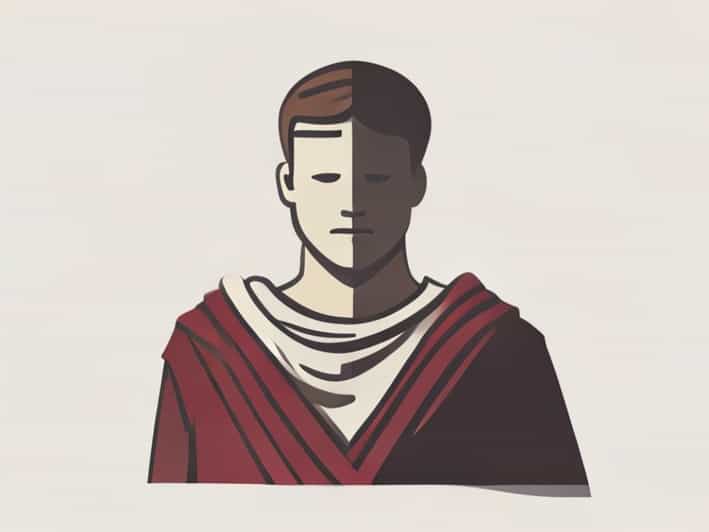
In ancient Rome, the garments worn by senators were more than just clothing; they were symbols of status, authority, and political identity. These garments distinguished members of the Roman Senate from ordinary citizens and other officials, reflecting their unique position in the social and political hierarchy of the Republic and later the Empire. Clothing in Rome carried meaning, often indicating rank, social class, and civic responsibility. For senators, wearing the proper attire was a matter of both tradition and law, serving as a visible reminder of their role in governance and their duty to uphold the values of the Republic. The study of these garments offers insight into Roman culture, politics, and the ways in which fashion intersected with power.
The Toga A Symbol of Roman Citizenship
The toga was the most distinctive garment worn by Roman men, including senators. It was a large, semicircular piece of cloth, usually made of wool, draped over the body in a complex manner. The toga was not merely functional clothing; it was a symbol of Roman citizenship and social status. For senators, the toga served as a visual declaration of their civic duty and authority within the state. The process of putting on a toga required practice and care, and it could convey messages about the wearer’s rank and position depending on its style and decoration.
The Toga Praetexta
Senators wore a specific type of toga called thetoga praetexta, which featured a broad purple stripe along the edge. This purple stripe, known as theclavus, signified the wearer’s senatorial rank and distinguished them from ordinary citizens. The toga praetexta was also worn by magistrates and certain high-ranking officials, but for senators, it was a critical element of their public image. The use of purple, a color associated with power and prestige, reinforced the senator’s elevated position in Roman society.
Regulations on Senatorial Dress
Roman law and tradition dictated the proper attire for senators. Wearing the toga praetexta was not optional; it was a legal and social requirement for public appearances, official duties, and ceremonies. Senators were expected to wear it when attending the Senate, presiding over assemblies, or participating in public rituals. Failing to adhere to these dress codes could be seen as a breach of decorum and disrespect for the office, underscoring the importance of garments as symbols of civic responsibility.
Other Elements of Senatorial Dress
In addition to the toga praetexta, senators often wore other garments that complemented their attire and further emphasized their status. The tunic, a simple knee-length garment worn underneath the toga, was commonly used. Senators’ tunics often featured a narrow purple stripe to indicate their rank. Footwear, such as calcei, also followed specific guidelines, and certain ceremonial occasions required additional accessories like rings or sashes to signify wealth and authority.
Footwear and Accessories
- CalceiClosed shoes that were often dyed or decorated to indicate rank.
- RingsSymbolized wealth, family lineage, and political connections.
- Sashes or BeltsUsed in ceremonial contexts to complement the toga and signify office.
These elements were integral to a senator’s overall appearance and contributed to the visual hierarchy within Roman society. The combination of toga, tunic, and accessories created a recognizable image that reinforced authority and tradition.
Senatorial Dress in Public Ceremonies
Senatorial garments played a particularly important role in public ceremonies and religious rituals. Senators would wear their toga praetexta during sacrifices, processions, and other civic events, signaling their participation in both the political and religious life of Rome. The visibility of the toga in these contexts reinforced the connection between political power and divine favor, illustrating how clothing was intertwined with cultural and religious identity.
The Importance of Color and Decoration
The purple stripe on the toga praetexta was not merely decorative; it served as an unmistakable marker of authority. In a society where visual cues were critical, color and decoration communicated a senator’s legitimacy and seniority. Other decorations or embellishments could be added for special occasions, though the basic form of the toga remained consistent to maintain its symbolic weight.
Evolution of Senatorial Dress
Over time, the garments worn by senators evolved slightly, reflecting changes in fashion, social norms, and political circumstances. During the Republic, the toga praetexta was relatively modest, emphasizing civic duty over personal luxury. In the Imperial period, the same garment could be more elaborate, incorporating finer materials and additional embellishments to reflect the growing prestige and ceremonial role of senators. Despite these changes, the fundamental symbolism of the toga as a marker of authority remained intact.
Influence on Later Societies
The senatorial toga influenced subsequent Western clothing traditions, especially ceremonial dress in academic, legal, and political contexts. The association of a distinct garment with official status and public office can be traced back to the Roman model, where dress and social rank were inseparable. Understanding Roman senatorial attire helps explain the broader historical significance of clothing as a marker of power and hierarchy.
Practical Considerations of Wearing the Toga
Wearing a toga, particularly the toga praetexta, required skill and experience. The garment was large and cumbersome, and improper draping could result in embarrassment or loss of dignity. Senators often relied on attendants or slaves to help them arrange the folds correctly. The physical act of wearing the toga was therefore a ritual in itself, reinforcing the gravity and formality of their public role.
Maintenance and Material
Togas were typically made from wool, a material that could be dyed and shaped but required careful maintenance. The cost of the fabric and the labor involved in preparing the garment also reflected the wealth and status of senators. Fine wool and bright dyes were expensive, making the toga praetexta not only a symbol of office but also a display of personal resources and social standing.
The garments worn by senators in ancient Rome, particularly the toga praetexta, were far more than functional clothing. They were powerful symbols of civic authority, social status, and cultural identity. Through the combination of toga, tunic, footwear, and accessories, senators communicated their rank and obligations to the public. The visual impact of these garments reinforced the hierarchy of Roman society and highlighted the connection between dress and political power. Studying senatorial attire provides valuable insight into Roman culture, law, and the ways in which clothing served as a tool for social and political expression. The legacy of these garments can still be seen in ceremonial dress and traditions that draw inspiration from Roman concepts of authority and public presentation.