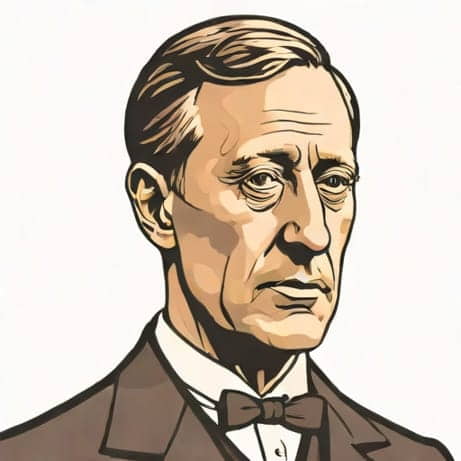
The haunting melodies of classical music have often found their way into modern television, adding layers of emotion and depth to dramatic scenes. One particularly striking example is the use of Gustav Holst’s arrangement of In the Bleak Midwinter in the popular British crime drama series *Peaky Blinders*. This combination of early 20th-century classical music with the dark, gritty world of post-World War I Birmingham creates an unforgettable viewing experience. Understanding the connection between Holst, the carol, and its use in *Peaky Blinders* offers insight into how music can enhance storytelling and emotional impact in visual media.
Gustav Holst and His Musical Legacy
Gustav Holst, born in 1874 in Cheltenham, England, was one of the most influential composers of the early 20th century. He is best known for his orchestral suite *The Planets*, but his work extended far beyond orchestral compositions. Holst had a profound interest in choral music and folk tunes, which is evident in his arrangements of traditional hymns and carols. One of his notable works includes his arrangement of In the Bleak Midwinter, a carol originally composed by the poet Christina Rossetti and set to music by several composers, including Holst and Holst’s contemporary, Harold Darke.
Holst’s Arrangement of In the Bleak Midwinter
Holst’s version of In the Bleak Midwinter is recognized for its simplicity, emotional depth, and ability to convey a sense of solemnity and introspection. Unlike more ornate arrangements, Holst’s approach is restrained, focusing on clear melodic lines and harmonies that evoke the cold, reflective mood described in Rossetti’s lyrics. This arrangement has been widely performed by choirs and has become a staple of Christmas music programs, admired for its ability to evoke both melancholy and reverence.
The Significance of Music in Peaky Blinders
*Peaky Blinders*, created by Steven Knight, is a British television series set in the aftermath of World War I, focusing on the Shelby family and their criminal enterprise in Birmingham. The show is known for its dark tone, complex characters, and striking cinematography. One of the most distinctive features of the series is its soundtrack, which blends contemporary rock, folk, and classical music to create an anachronistic yet powerful emotional backdrop. The use of Gustav Holst’s In the Bleak Midwinter in key scenes highlights the show’s careful attention to musical storytelling.
Why In the Bleak Midwinter Fits Peaky Blinders
The themes of *Peaky Blinders*-loss, power struggles, loyalty, and the aftermath of war-resonate with the somber tone of Holst’s arrangement. The reflective and austere nature of In the Bleak Midwinter underscores moments of tension, grief, or introspection within the series. Its inclusion in *Peaky Blinders* creates a juxtaposition between the historical setting of the early 20th century and the modern sensibilities of the audience, making the scenes more emotionally impactful.
- Enhances the emotional gravity of key scenes
- Connects historical context with modern audience expectations
- Provides a haunting, reflective atmosphere
- Contrasts with the gritty, violent visuals to emphasize character depth
Specific Use in the Series
One notable instance of Holst’s In the Bleak Midwinter occurs during a pivotal scene in *Peaky Blinders*, where characters are dealing with profound personal loss and the moral complexities of their actions. The soft, contemplative choir arrangement emphasizes the solemnity of the moment, allowing viewers to feel the weight of the characters’ choices. The music does not dominate the scene but works subtly to heighten emotional resonance, a testament to the show’s sophisticated use of sound and scoring.
The Intersection of Classical Music and Modern Storytelling
Using a piece like Holst’s In the Bleak Midwinter in a contemporary drama illustrates the timelessness of classical music. It also demonstrates how composers and arrangers can influence modern storytelling long after their lifetimes. Holst’s work, though originally intended for choral performance in a church or concert hall, gains new significance when paired with the intense, visual narrative of *Peaky Blinders*. This crossover appeals to both classical music enthusiasts and television audiences, showing that music can bridge eras and genres effectively.
Audience Reception and Impact
The combination of Holst’s arrangement and the visual storytelling of *Peaky Blinders* has received widespread acclaim. Fans and critics alike praise the show’s soundtrack for its ability to enhance tension, emotion, and character development. The use of classical pieces like In the Bleak Midwinter offers a sense of authenticity and gravitas, aligning with the series’ historical setting while also providing a unique auditory experience that differentiates it from other period dramas.
Why It Resonates with Viewers
Music in television often serves as more than mere background; it shapes perception, evokes memories, and enhances emotional engagement. Holst’s music resonates with viewers because it conveys a universal sense of melancholy and reflection. In the context of *Peaky Blinders*, it complements the series’ exploration of human struggle, ambition, and morality, making the viewing experience more immersive and memorable.
The use of Gustav Holst’s In the Bleak Midwinter in *Peaky Blinders* exemplifies the power of music in storytelling. Holst’s arrangement, with its restrained yet evocative harmonies, provides an emotional depth that enhances the show’s narrative and character development. By pairing early 20th-century choral music with the gritty world of Birmingham’s criminal underworld, the series creates a unique auditory experience that resonates with audiences. This combination of classical music and modern television underscores how art from different eras can intersect, bringing historical compositions into contemporary cultural relevance. For fans of both classical music and dramatic television, the inclusion of Holst’s work in *Peaky Blinders* offers a compelling example of how music can transform visual storytelling, heightening emotion and connecting viewers more deeply with the characters’ journeys.