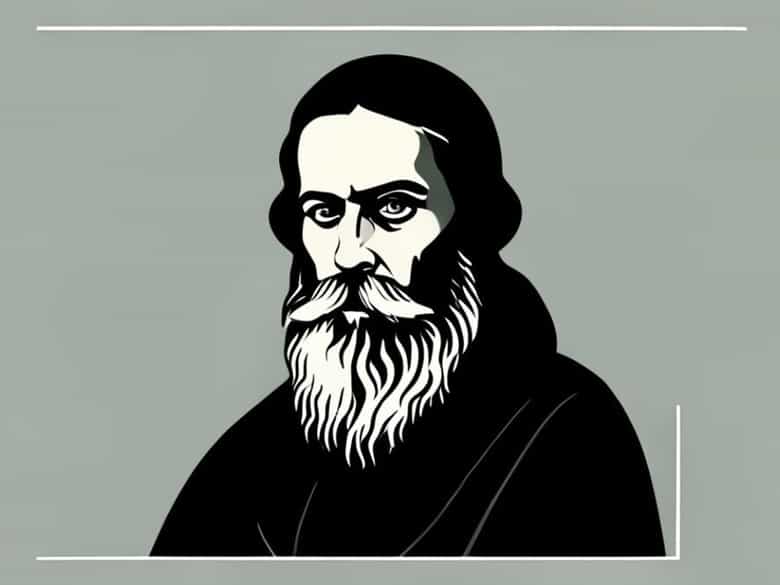
Hippolytus’s Refutation of All Heresies is one of the most important early Christian theological works, offering a comprehensive look at the numerous beliefs and teachings that early Church leaders considered heretical. Scholars, students of early Christianity, and those with an interest in Church history often seek out a Refutation of All Heresies PDF because it provides access to the text in a readable, searchable format. The work itself sheds light on the diversity of religious thought in the second and third centuries, the development of Christian doctrine, and the efforts of Church fathers to define orthodoxy. While modern editions, translations, and critical studies are available, understanding the background, structure, and significance of Hippolytus’s text helps readers appreciate why this document continues to be studied and why many look for a downloadable PDF version for personal study or academic work.
Who Was Hippolytus?
Hippolytus of Rome was an early Christian theologian and writer who lived in the late second and early third centuries. He is often remembered as one of the most prolific and learned Church fathers of his time. Although details about his life are debated among historians, Hippolytus is known for his extensive writings on theology, Scripture, liturgy, and heresies. His work Refutation of All Heresies (also sometimes called Philosophumena) survives in part through manuscripts and later copies, preserving his systematic critique of various philosophical and religious teachings that he believed led people away from what he saw as true Christian faith.
Historical Context
During Hippolytus’s lifetime, the Christian Church was still developing its theological identity. Doctrines that later became central to mainstream Christianity were not yet universally agreed upon, and a wide array of beliefs flourished among different communities. Many of these teachings drew on Greek philosophy, Jewish traditions, mystery religions, Gnosticism, and other strands of thought. Hippolytus wrote his Refutation of All Heresies to document and critique these movements, providing what he considered a defense of authentic Christian teaching.
About Refutation of All Heresies
The Refutation of All Heresies is not a short pamphlet or isolated treatise; it is a long, detailed work that examines the origins, doctrines, and practices of numerous philosophical schools and religious sects. Hippolytus aimed to show how these systems differed from the teachings he associated with apostolic Christianity. Because of its length and depth, many readers interested in ancient religion, early Christian doctrine, or Church history seek a PDF version of the text to study it closely, annotate passages, and reference its content in research.
Purpose and Structure
Hippolytus structured his work with two main goals. First, he wanted to expose what he saw as errors in belief systems that competed with or influenced Christian thought. Second, he traced the intellectual and religious lineages of these beliefs back to pagan or philosophical roots, arguing that they represented departures from apostolic teaching. The work begins with philosophical systems such as those of Plato and Aristotle and moves into sects that blended philosophical ideas with religious teachings. Gnostic groups receive significant attention because of their complex cosmologies and reinterpretations of Christian scripture and doctrine.
The Content of the Work
One of the reasons Refutation of All Heresies remains valuable is that it preserves details about belief systems that might otherwise have been lost. Hippolytus quotes or summarizes the teachings of many groups whose own writings have not survived. This makes his work an indirect source for the beliefs of various Gnostic sects, mystery religions, and philosophical schools. Readers with an interest in ancient religion often cite this text alongside other early Christian writings because it provides a window into the diversity of early religious thought.
Examples of Groups and Teachings Discussed
- Classical philosophical traditions such as Platonism and Stoicism
- Gnostic teachers and sects that reinterpreted Christian narratives
- Syncretistic religious movements blending Greek, Egyptian, and Near Eastern beliefs
- Early Christian groups with heterodox teachings on Christology or scripture
Hippolytus’s critiques often focus on how these teachings diverged from what he considered the true interpretation of Christian doctrine, especially as it related to the nature of God, Christ, salvation, and scripture.
Why People Look for a PDF of Refutation of All Heresies
Students, theologians, historians, and curious readers often search for a Refutation of All Heresies PDF because digital formats make it easier to read, search, and reference specific sections. PDFs can be downloaded, annotated, and accessed offline, which benefits anyone conducting research or seeking deeper study over time. In academic settings, having a PDF allows for more efficient comparison with other texts, crossreferencing passages, and inclusion in coursework or independent study projects.
Benefits of a PDF Version
- Easy navigation through table of contents and search functions
- Compatibility with ereaders, tablets, and computers
- Ability to highlight, annotate, and store notes within the document
- Portability for reading without internet access
Translations and Editions
Because Refutation of All Heresies was written in ancient Greek, modern readers rely on translations into English or other languages. Different editions vary in how they present the text, with some offering extensive footnotes, historical context, and scholarly commentary. Readers seeking a PDF may also encounter versions that include introductions, explanatory essays, or comparative studies that help illuminate the historical and theological background of the work.
Choosing a Good Edition
Not all translations are equal, and a reliable edition will typically include helpful features such as
- Clear, accurate translation that respects the original Greek nuances
- Footnotes explaining obscure references or historical details
- Introductory essays that place the work in context
- Indexes or bibliographies for further research
When looking for a PDF, many readers prefer versions produced by academic presses or scholars in early Christian studies because they offer additional context that enhances understanding.
Academic and Religious Significance
Refutation of All Heresies holds a special place in early Christian literature because it captures the complex interaction between Christian and nonChristian ideas in the second and third centuries. The work is frequently cited in studies of Gnosticism, early Christian doctrine, and the formation of the biblical canon. It also helps scholars understand how early Church leaders perceived threats to doctrinal unity and responded intellectually to competing beliefs.
Use in Research and Teaching
In university courses on religion, history, or philosophy, Hippolytus’s work may be assigned alongside other early Christian texts such as the letters of Ignatius, Justin Martyr’s writings, or the early apologists. Its value lies in both its content and the perspective it offers on how early Christians understood themselves in contrast to others. For theologians, it provides insight into how early thinkers defined orthodoxy and challenged interpretations they found problematic.
Challenges with Ancient Texts
Despite its value, Refutation of All Heresies presents some challenges. The surviving manuscripts are incomplete in places, and reconstructing the full text requires careful scholarship. Additionally, Hippolytus’s perspective is not neutral; he writes as an advocate for what he considers true Christian teaching. This means readers must also understand his biases and the rhetorical strategies he uses to critique opposing views. Such complexity makes the work fascinating but also demanding for modern readers.
Understanding Bias and Rhetoric
As with many ancient polemical works, part of studying this text involves recognizing the author’s perspective. Hippolytus wrote to defend what he believed was correct, not to present a balanced survey. In interpreting his discussions of other groups, modern readers must weigh his descriptions against other historical evidence when available and consider how his own commitments shaped his narrative.
The Refutation of All Heresies by Hippolytus remains a foundational document for those interested in early Christian history, theology, and the complex religious landscape of the second and third centuries. Many seek out a Refutation of All Heresies PDF to access the text conveniently, especially for academic study and detailed personal research. Understanding the author, the historical context, the structure and content of the work, and the benefits of digital versions helps readers appreciate why this ancient text continues to be relevant. Whether approaching it for scholarly reasons or personal interest in early Church debates, Hippolytus’s work offers a deep, detailed view of how early Christians confronted a world of diverse beliefs and how they articulated their own understanding of faith and doctrine.