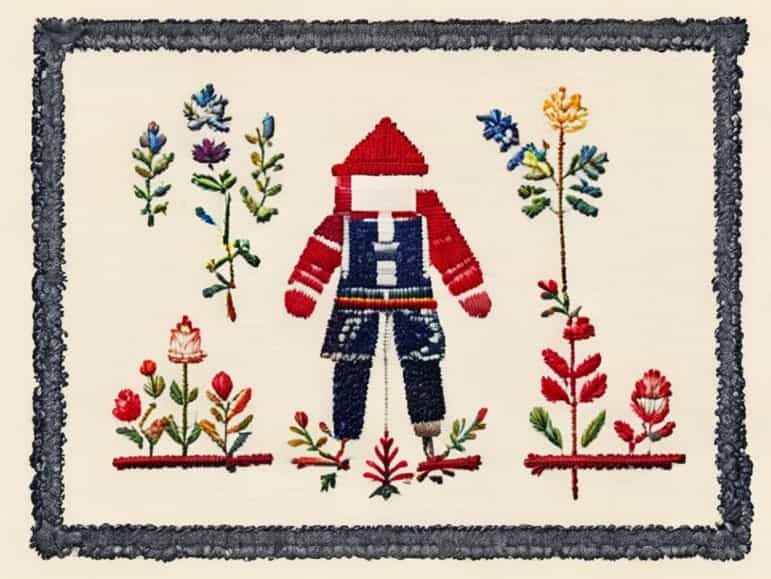
Needlework is an art form that has been practiced for centuries, combining creativity, skill, and precision to decorate fabric. Among the many techniques in this rich tradition, crewel and embroidery are two methods often discussed together. While both involve stitching designs onto fabric, they differ in materials, techniques, and historical usage. Understanding these differences not only helps craft enthusiasts choose the right technique for their projects but also highlights the unique aesthetic qualities each method offers. Exploring the distinctions between crewel and embroidery provides insight into the diversity and artistry of needlework.
Definition of Embroidery
Embroidery is a broad term for decorating fabric using needle and thread. It encompasses a wide range of stitches, threads, and designs and can be applied to almost any type of fabric. Embroidery is used for both decorative and functional purposes, such as embellishing clothing, household textiles, and accessories. This art form has evolved over time, with regional styles, motifs, and techniques influencing how embroidery is practiced across cultures.
Techniques in Embroidery
Embroidery includes a variety of stitches and styles. Common stitches include satin stitch, chain stitch, cross-stitch, and backstitch. Embroidery can use threads of different materials, such as cotton, silk, wool, or metallic threads. Depending on the desired effect, embroidery can be flat, raised, or textured. The versatility of embroidery makes it suitable for a wide range of projects, from intricate patterns on garments to large decorative wall hangings.
Definition of Crewel
Crewel is a specific type of embroidery that traditionally uses wool threads on a tightly woven linen or cotton fabric. The technique is characterized by its use of wool, which gives the designs a textured, dimensional quality. Crewel work often features elaborate floral, animal, or vine motifs and is commonly used for upholstery, curtains, and decorative panels. The distinct use of wool thread is what primarily differentiates crewel from other forms of embroidery.
Techniques in Crewel
Crewel employs a variety of stitches to create textured, detailed designs. Common crewel stitches include stem stitch, chain stitch, satin stitch, and long-and-short stitch. The wool thread allows for thicker, more robust lines compared to fine embroidery threads, resulting in a rich, tactile surface. Crewel designs often emphasize flowing patterns, shading, and depth, making the finished piece visually striking and more sculptural than standard embroidery.
Materials Used in Embroidery and Crewel
One of the most significant differences between crewel and general embroidery lies in the materials used. While both involve needle and thread, the choice of threads, fabric, and tools can differ greatly.
Threads
- EmbroideryCan use cotton, silk, rayon, metallic, or polyester threads depending on the desired effect and project type.
- CrewelPrimarily uses wool threads, which are thicker and provide texture and depth to the design.
Fabric
- EmbroideryWorks on a wide range of fabrics, from delicate silks to coarse linens, depending on the style and purpose.
- CrewelTraditionally uses a tightly woven linen or cotton twill fabric, which supports the heavier wool threads and prevents distortion of the design.
Needles
Both embroidery and crewel require specialized needles, but crewel needles are usually longer and have a sharp point to handle wool threads, while embroidery needles vary based on the thread type and fabric used.
Historical Context and Usage
Embroidery and crewel have distinct historical backgrounds that influenced their styles and applications. Embroidery is an ancient practice with roots in many cultures, including Asia, Europe, and the Middle East. It has been used to signify status, decorate garments, and preserve cultural stories through intricate patterns. Different regions developed unique embroidery styles, such as Japanese sashiko, Indian zardozi, and European goldwork.
Crewel embroidery, on the other hand, gained popularity in England during the 17th century and was widely used for decorating home furnishings, such as curtains, wall hangings, and bed covers. The use of wool allowed for durable, bold designs that could withstand frequent handling. Crewel work often reflected natural motifs, drawing inspiration from gardens, forests, and wildlife, which became iconic in historical English textiles.
Design Characteristics
The visual characteristics of crewel and general embroidery are also different. Embroidery encompasses both fine, delicate patterns and bold designs, depending on the thread and stitch types. It can be highly detailed or simple, often influenced by cultural motifs and project requirements.
Crewel Designs
Crewel designs are typically more textured and three-dimensional due to the thickness of the wool thread. Common motifs include
- Floral patterns, including vines, leaves, and blossoms
- Animal figures such as birds or deer
- Decorative scrolls and stylized foliage
The emphasis in crewel is on flowing, naturalistic patterns and the tactile quality of the stitches, creating a rich, layered effect that is often more pronounced than standard embroidery.
Applications in Modern Crafting
Today, both crewel and embroidery remain popular in various crafting and textile applications. Embroidery is widely used in fashion, personalizing items, branding, and art projects. Modern embroidery may incorporate machine work as well as hand techniques, allowing for efficiency and consistency in design reproduction.
Crewel work is still appreciated for its texture and traditional aesthetic. It is frequently used for decorative purposes in home décor, such as pillows, wall hangings, and upholstered furniture. While crewel is less common in fashion than general embroidery, its rich texture and heritage appeal make it a cherished technique among traditional and contemporary textile artists.
Summary of Differences
To summarize, the primary differences between crewel and embroidery can be outlined as follows
- ThreadCrewel uses wool threads; embroidery can use a variety of threads such as silk, cotton, or metallic threads.
- FabricCrewel traditionally uses linen or cotton twill; embroidery can be applied to many types of fabrics.
- TextureCrewel is thicker and more textured; embroidery can range from flat to dimensional depending on technique.
- MotifsCrewel often features natural, flowing motifs; embroidery is highly versatile and can include abstract, geometric, and symbolic designs.
- Historical UseCrewel was primarily used for home décor in 17th-century England; embroidery has been used globally for centuries in clothing, art, and functional textiles.
While crewel and embroidery share the common practice of decorating fabric with needle and thread, they differ significantly in materials, technique, design, and historical application. Crewel is a specialized form of embroidery that uses wool threads on tightly woven fabric to create textured, often naturalistic designs. Embroidery, in contrast, is a broader term encompassing a wide range of threads, fabrics, and styles. Understanding these differences is valuable for crafters, artists, and textile enthusiasts who wish to explore needlework more deeply. By recognizing the unique qualities of crewel and general embroidery, one can select the appropriate technique for each project, appreciate the artistry involved, and preserve these beautiful textile traditions for future generations.