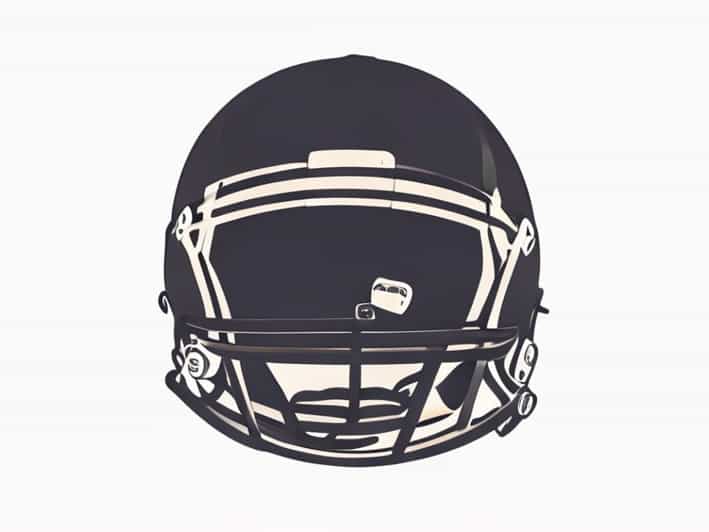
Wearing a football helmet correctly is essential for safety and performance on the field, and one of the most important aspects of proper helmet use is securing the chinstrap. A chinstrap keeps the helmet in place, preventing it from shifting during impact and protecting the head and face. Knowing how to put a chinstrap on a football helmet properly ensures that the helmet fits snugly and provides maximum protection. This topic will guide you step by step on the correct method to put on a chinstrap, check its fit, and maintain it for optimal performance.
Understanding the Importance of a Chinstrap
The chinstrap is not just an accessory; it plays a vital role in preventing injuries during football games and practices. A poorly fitted chinstrap can cause the helmet to move, reducing its ability to absorb shocks and protect the player. It can also lead to discomfort, distraction, and even injury if the helmet slips during a tackle or collision. Ensuring the chinstrap is properly attached and adjusted is critical for safety and confidence on the field.
Parts of a Chinstrap
- StrapsMost football chinstraps have four points of attachment, with two straps on each side of the helmet.
- Buckles or snapsUsed to secure the chinstrap to the helmet.
- Chin cupThe padded portion that rests under the chin to provide comfort and stability.
- Adjustable clipsAllow for tightening or loosening the straps to achieve a secure fit.
Step-by-Step Guide to Putting on a Chinstrap
Properly attaching a chinstrap involves several steps, from positioning it on the helmet to adjusting it for a snug and comfortable fit. Following these steps ensures maximum protection and compliance with safety standards.
Step 1 Inspect the Chinstrap
- Check the chinstrap for any signs of wear or damage, such as cracks, fraying, or broken snaps.
- Ensure all attachment points are present and functional.
- Replace the chinstrap if it shows significant damage to maintain safety.
Step 2 Attach the Chinstrap to the Helmet
Most football helmets have four snaps for the chinstrap, located on the front and sides of the helmet.
- Align the straps with the snaps on each side of the helmet.
- Press the snaps firmly until you hear a click, ensuring they are securely fastened.
- Confirm that the straps are not twisted and that each side is symmetrical.
Step 3 Position the Helmet on Your Head
Before adjusting the chinstrap, place the helmet on your head correctly. The helmet should sit level and cover the forehead, without tilting forward or backward. Your ears should fit comfortably within the helmet’s ear holes, and the padding should contact the sides of your head evenly.
Step 4 Adjust the Chin Cup
- Place the chin cup directly under your chin, centered for even pressure.
- The cup should fit snugly but not be so tight that it causes discomfort or restricts breathing.
- Check that the padding covers your chin adequately for comfort and protection.
Step 5 Tighten the Straps
Most chinstraps have adjustable straps that allow you to tighten or loosen the fit. Follow these tips for proper adjustment
- Adjust the side straps first, ensuring they are even and balanced.
- Tighten the front straps so that the chin cup is snug against your chin.
- Test the fit by opening your mouth; you should be able to speak and breathe comfortably, but the helmet should not move significantly.
Testing the Fit
After securing the chinstrap, it is important to test the fit to ensure the helmet stays in place during movement and impact.
Fit Check Techniques
- Shake your head gently from side to side and up and down. The helmet should remain stable and not slide excessively.
- Try placing a finger between the chin and the chin cup; it should be snug enough to resist movement but not painful.
- Ask a coach or teammate to help verify the fit, especially for younger players who may have difficulty adjusting it themselves.
Common Mistakes to Avoid
Even experienced players sometimes make mistakes when putting on a chinstrap. Being aware of these errors helps prevent improper fitting and potential injury.
Mistake 1 Over-tightening the Chinstrap
- Too tight can cause discomfort, difficulty breathing, and reduced mobility.
- Adjust for a snug fit without restricting movement or comfort.
Mistake 2 Uneven Straps
- Uneven straps can cause the helmet to tilt or shift during play.
- Ensure both sides are symmetrical and the snaps are securely fastened.
Mistake 3 Incorrect Chin Cup Position
- Placing the cup off-center or too low can reduce helmet stability.
- The cup should rest under the chin with even pressure.
Maintaining Your Chinstrap
Proper maintenance of your chinstrap is important for longevity and safety. Regularly check for signs of wear, clean it as needed, and replace it if damaged. Sweat, dirt, and repeated use can deteriorate the material, so routine inspections before games and practices are recommended.
Maintenance Tips
- Clean the chinstrap with mild soap and water to remove dirt and sweat.
- Dry it thoroughly before reattaching it to the helmet.
- Inspect snaps and straps for cracks or fraying.
- Replace the chinstrap according to manufacturer recommendations or if damaged.
Putting a chinstrap on a football helmet correctly is crucial for safety, comfort, and performance. By understanding the parts of the chinstrap, following a step-by-step attachment and adjustment process, testing the fit, avoiding common mistakes, and maintaining the equipment, players can ensure that their helmet stays secure during play. A properly fitted chinstrap not only prevents injuries but also gives players confidence to perform at their best on the field. Regular checks and proper use make the chinstrap a reliable and essential part of football safety gear.