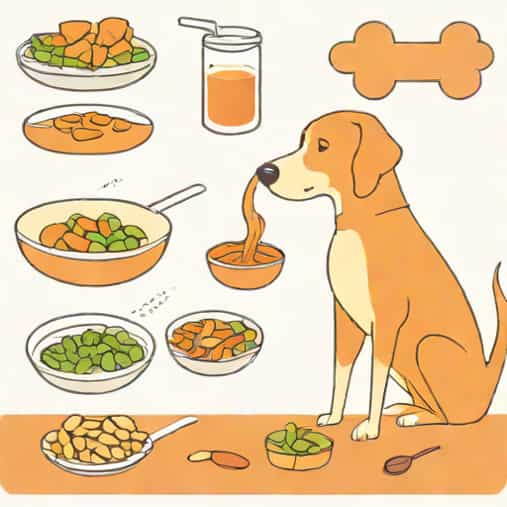
Dietary indiscretion in dogs is a common problem that many pet owners face at least once in their dog’s life. It happens when a dog eats something it should not, such as spoiled food, garbage, table scraps, or unfamiliar items found outdoors. While some cases are mild and resolve quickly, others can cause digestive upset and discomfort. Understanding how to treat dietary indiscretion in dogs helps owners respond calmly and appropriately while supporting their dog’s recovery.
What Is Dietary Indiscretion in Dogs?
Dietary indiscretion refers to the consumption of inappropriate or unusual food items that upset a dog’s digestive system. Dogs are naturally curious and opportunistic eaters, which makes them prone to scavenging behaviors. Unlike humans, dogs do not always recognize when food is unsafe or unsuitable.
This condition can affect dogs of all ages and breeds, though puppies and younger dogs are often more prone due to curiosity and chewing behavior.
Common Causes of Dietary Indiscretion
Understanding what causes dietary indiscretion can help prevent future episodes. Many incidents occur when dogs have access to food or objects without supervision.
Typical Triggers
- Eating garbage or spoiled food
- Consuming table scraps
- Sudden diet changes
- Ingesting foreign objects
- Access to human snacks or fatty foods
Some dogs may also react poorly to new treats or rich foods, even if they are not inherently harmful.
Symptoms of Dietary Indiscretion in Dogs
The symptoms can range from mild to severe depending on what the dog consumed and how much was eaten. Recognizing early signs helps determine how to treat dietary indiscretion in dogs effectively.
Common Symptoms
- Vomiting
- Diarrhea
- Loss of appetite
- Abdominal discomfort
- Lethargy
Mild cases may resolve within 24 to 48 hours, while more severe symptoms may require veterinary attention.
Immediate Steps to Take at Home
For mild cases of dietary indiscretion, supportive home care is often sufficient. The goal is to rest the digestive system and gradually return it to normal function.
Temporary Fasting
Withholding food for 12 to 24 hours can allow the stomach and intestines to settle. Water should always be available to prevent dehydration.
Puppies, small dogs, and dogs with medical conditions should not fast without professional guidance.
Hydration Support
Ensuring adequate hydration is essential, especially if vomiting or diarrhea is present. Offer small amounts of water frequently rather than large volumes at once.
Feeding a Bland Diet
After the fasting period, introducing a bland diet helps soothe the digestive tract. This approach is one of the most common methods used to treat dietary indiscretion in dogs.
Recommended Bland Foods
- Boiled skinless chicken
- Plain white rice
- Boiled lean turkey
- Plain pumpkin puree
Meals should be small and offered several times a day. Gradually transition back to regular food over three to five days.
Monitoring Your Dog’s Progress
Careful observation is important during recovery. Improvement should be noticeable within a day or two.
Stools should gradually become more formed, appetite should return, and energy levels should improve. If symptoms persist or worsen, further action is necessary.
When to Avoid Home Treatment
Not all cases of dietary indiscretion can be safely managed at home. Certain situations require immediate veterinary care.
Warning Signs
- Persistent vomiting or diarrhea beyond 48 hours
- Blood in vomit or stool
- Severe abdominal pain
- Signs of dehydration
- Ingestion of toxic substances
If a dog has eaten sharp objects, chemicals, or foods toxic to dogs, professional treatment is essential.
Veterinary Treatment Options
When home care is not sufficient, veterinarians may provide targeted treatment to stabilize the dog and prevent complications.
Possible Medical Interventions
Veterinary treatment may include anti-nausea medication, fluid therapy, probiotics, or prescription diets designed for digestive recovery.
In severe cases, imaging or blood tests may be needed to rule out obstructions or underlying illness.
Preventing Future Dietary Indiscretion
Prevention is a key part of managing dietary indiscretion in dogs. Simple changes in routine and environment can significantly reduce risk.
Environmental Management
- Secure trash cans
- Keep food off counters
- Limit access to outdoor debris
- Supervise during walks
Consistent Feeding Practices
Feeding a consistent, balanced diet reduces the likelihood of digestive upset. Avoid sudden food changes and introduce new foods gradually.
Role of Training and Behavior
Training plays an important role in preventing dietary indiscretion. Teaching commands such as leave it can stop dogs from eating unsafe items.
Mental stimulation and regular exercise also reduce boredom-related scavenging behaviors.
Dietary Sensitivities vs Indiscretion
It is important to distinguish dietary indiscretion from food intolerance or allergies. If a dog repeatedly shows digestive upset after eating certain foods, a dietary sensitivity may be present.
In such cases, a veterinarian can help design an appropriate long-term diet plan.
Special Considerations for Puppies and Senior Dogs
Puppies and senior dogs may require extra care when treating dietary indiscretion.
Puppies
Puppies dehydrate more quickly and should be monitored closely. Shorter fasting periods and prompt veterinary advice are recommended.
Senior Dogs
Older dogs may have underlying health issues that complicate recovery. Any prolonged symptoms should be evaluated professionally.
Emotional Impact on Dog Owners
Seeing a dog unwell can be stressful for owners. Staying calm and following a structured approach helps both the dog and the owner manage the situation.
Most cases of dietary indiscretion are temporary and resolve with proper care.
Knowing how to treat dietary indiscretion in dogs empowers pet owners to respond effectively when digestive upset occurs. Mild cases can often be managed at home with fasting, hydration, and a bland diet, while more severe cases require veterinary attention.
Prevention through supervision, training, and consistent feeding habits is the best long-term strategy. With patience and proper care, most dogs recover quickly and return to their normal, happy routines.