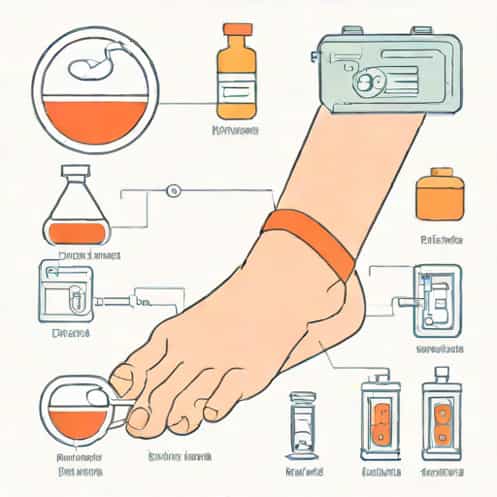
Phlebitis at an IV site is a common concern in hospitals, clinics, and even home care settings. It occurs when a vein becomes inflamed due to irritation from an intravenous catheter, medication, or prolonged use. Many people notice redness, warmth, tenderness, or swelling around the IV site and worry about what it means and how serious it may be. Understanding how to treat phlebitis of an IV site early can reduce discomfort, prevent complications, and support proper healing. With timely care and simple measures, most cases resolve without long-term problems.
Understanding Phlebitis at an IV Site
Phlebitis refers to inflammation of a vein. When it develops at an IV site, it is usually related to mechanical irritation from the catheter, chemical irritation from medications or fluids, or bacterial contamination.
Knowing the cause helps guide appropriate treatment and prevention. Phlebitis is generally classified based on its origin and severity, which helps healthcare providers decide the next steps.
Common Types of IV-Related Phlebitis
- Mechanical phlebitis caused by catheter movement or size
- Chemical phlebitis caused by irritating medications or solutions
- Bacterial phlebitis caused by infection
Early Signs and Symptoms to Watch For
Recognizing phlebitis early is important when learning how to treat phlebitis of an IV site effectively. Symptoms usually appear around the catheter insertion area.
Typical Symptoms
- Redness along the vein
- Warmth at the IV site
- Pain or tenderness
- Swelling
- A firm or cord-like vein
If symptoms worsen or are accompanied by fever or discharge, further medical evaluation may be necessary.
Immediate Steps to Take When Phlebitis Is Suspected
The first step in how to treat phlebitis of an IV site is addressing the source of irritation.
Remove the IV Catheter
If phlebitis is suspected, the IV catheter is usually removed promptly. This prevents further irritation and allows the vein to begin healing.
Assess the Area
After removal, the site should be assessed for redness, swelling, pain, and signs of infection. Documenting changes helps track improvement or progression.
Applying Warm or Cold Compresses
Compresses are a simple and effective way to relieve symptoms.
Warm Compress Benefits
Warm compresses increase blood flow, promote healing, and reduce discomfort. They are often recommended for non-infectious phlebitis.
Cold Compress Use
Cold compresses may help reduce swelling and pain in the early stages. The choice between warm and cold depends on comfort and clinical advice.
Compresses are typically applied for 15 to 20 minutes several times a day.
Elevation of the Affected Limb
Elevating the limb where the IV site was located helps reduce swelling and improve circulation.
This simple step supports the body’s natural healing process and can significantly decrease discomfort.
Pain Management and Comfort Measures
Managing pain is an important part of how to treat phlebitis of an IV site.
Over-the-Counter Options
Non-prescription pain relievers may be used if appropriate and approved by a healthcare provider.
Local Care
Keeping the area clean, dry, and protected from pressure helps prevent further irritation.
Monitoring for Infection
While many cases of phlebitis are non-infectious, monitoring for signs of infection is essential.
Signs That Need Attention
- Increasing redness or swelling
- Pus or drainage
- Fever or chills
- Spreading redness along the vein
If any of these symptoms appear, medical evaluation is important to rule out bacterial phlebitis.
When Antibiotics May Be Needed
Antibiotics are not routinely required for all cases of phlebitis.
They are typically considered only if there is evidence of infection. A healthcare provider will determine the appropriate treatment based on clinical findings.
Preventing Further Vein Irritation
Prevention plays a key role when discussing how to treat phlebitis of an IV site and avoid recurrence.
Rotation of IV Sites
Regularly rotating IV insertion sites reduces repeated stress on the same vein.
Proper Catheter Size
Using the smallest appropriate catheter size minimizes mechanical irritation.
Hydration and Vein Health
Adequate hydration helps maintain vein elasticity and blood flow, which supports healing.
Encouraging fluids, when appropriate, can assist the recovery process.
Documentation and Follow-Up Care
Documenting the appearance of the site and symptom progression helps guide ongoing care.
Follow-up assessments ensure that the inflammation is resolving and not progressing to more serious complications.
Patient Education and Awareness
Teaching patients how to recognize early signs of phlebitis empowers them to report symptoms promptly.
This awareness is especially important for those receiving long-term IV therapy.
Special Considerations for High-Risk Patients
Some individuals are more prone to IV-related phlebitis.
Higher Risk Groups
- Older adults
- Patients with fragile veins
- Those receiving irritating medications
- Patients with compromised immune systems
Extra care and monitoring are often needed for these populations.
How Long Does Phlebitis Take to Heal?
Healing time varies depending on severity and individual health factors.
Mild phlebitis often improves within a few days, while more severe cases may take one to two weeks to fully resolve.
When to Seek Medical Advice
Although many cases are mild, medical advice should be sought if symptoms worsen, persist, or show signs of infection.
Prompt evaluation helps prevent complications such as thrombophlebitis or systemic infection.
Why Proper Treatment Matters
Understanding how to treat phlebitis of an IV site is important for patient comfort, safety, and recovery. Early intervention reduces pain, prevents complications, and supports better outcomes.
Proper management also improves overall care quality in healthcare settings.
Phlebitis at an IV site is a manageable condition when recognized and treated early. Removing the catheter, applying compresses, elevating the limb, and monitoring for infection are key steps in effective care.
By focusing on comfort, prevention, and timely intervention, most people recover quickly without lasting effects. Knowing how to treat phlebitis of an IV site not only eases discomfort but also promotes safer and more confident IV therapy experiences.