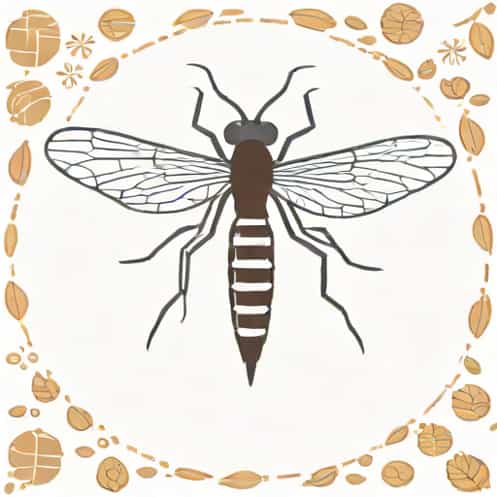
The Anopheles mosquito is one of the most significant insects in the world due to its role in transmitting diseases, particularly malaria. Despite being small and often overlooked, this mosquito has a major impact on human health, ecosystems, and global public health initiatives. Understanding the biology, behavior, and importance of the Anopheles mosquito is crucial for developing effective control strategies and reducing the burden of mosquito-borne diseases. This topic explores the various aspects of Anopheles mosquitoes, their ecological roles, and their significance in disease transmission and research.
Biology and Identification of Anopheles Mosquito
Anopheles mosquitoes belong to the family Culicidae and are easily identified by their unique resting position, where they hold their bodies at an angle rather than parallel to the surface. They are generally medium-sized, with long legs and spotted wings. Anopheles mosquitoes are primarily active during dusk and nighttime, making them efficient nocturnal feeders. Understanding their biological characteristics is essential for entomologists and public health officials aiming to control populations and prevent disease transmission.
Life Cycle of Anopheles Mosquito
The life cycle of an Anopheles mosquito includes four stages egg, larva, pupa, and adult. Female mosquitoes lay their eggs on the surface of stagnant water bodies, which hatch into larvae that feed on microorganisms. The larval stage is aquatic and can last from a few days to several weeks depending on environmental conditions. After pupation, adult mosquitoes emerge and begin seeking hosts for blood meals, which are necessary for egg development. This life cycle highlights the importance of water management in controlling Anopheles populations.
Role in Disease Transmission
Anopheles mosquitoes are best known for their role as vectors of malaria, a life-threatening disease caused by Plasmodium parasites. When a female Anopheles mosquito bites an infected human, it ingests the parasites, which then develop inside the mosquito before being transmitted to another human through subsequent bites. Malaria remains a significant public health challenge in tropical and subtropical regions, affecting millions of people annually. Besides malaria, Anopheles mosquitoes can occasionally transmit other pathogens, including certain types of filarial worms.
Malaria and Global Health
Malaria caused by Anopheles mosquitoes has far-reaching consequences for health and development. In addition to causing severe illness and death, malaria reduces productivity, affects school attendance, and places a financial burden on healthcare systems. Efforts to control Anopheles populations, such as insecticide-treated bed nets, indoor residual spraying, and environmental management, are critical in reducing malaria incidence. Understanding the importance of the Anopheles mosquito in disease transmission helps prioritize public health interventions and resource allocation.
Ecological Importance of Anopheles Mosquitoes
While often viewed as pests, Anopheles mosquitoes also play important roles in ecosystems. They serve as food sources for a variety of predators, including fish, birds, bats, and other insects. Mosquito larvae contribute to aquatic food webs by consuming organic matter and microorganisms, helping to recycle nutrients in freshwater habitats. By fulfilling these ecological roles, Anopheles mosquitoes contribute to the balance of ecosystems despite their negative impact on human health.
Interactions with Other Species
Anopheles mosquitoes interact with numerous species in both aquatic and terrestrial environments. Larvae provide nutrition for small fish and invertebrates, while adults are prey for spiders, birds, and bats. Additionally, female mosquitoes play a minor role in pollination by feeding on nectar when they are not seeking blood meals. These interactions highlight that, beyond their notoriety as disease vectors, Anopheles mosquitoes are integrated into complex ecological networks.
Scientific and Research Significance
Anopheles mosquitoes are crucial in scientific research due to their role in studying malaria and vector-borne diseases. Research on their genetics, behavior, and ecology provides valuable insights into disease prevention and control strategies. Scientists use Anopheles mosquitoes to develop vaccines, test insecticides, and explore genetic modification techniques aimed at reducing disease transmission. This research has global significance, contributing to efforts to eliminate malaria and improve public health outcomes.
Vector Control Strategies
Effective control of Anopheles mosquitoes requires a combination of strategies, including
- Use of insecticide-treated bed nets to prevent bites during nighttime activity.
- Indoor residual spraying to reduce adult mosquito populations in homes.
- Elimination of stagnant water sources where larvae develop.
- Introduction of natural predators or biological agents to control mosquito populations.
- Research on genetic engineering and sterile insect techniques to reduce reproductive success.
These strategies depend on understanding the biology and behavior of Anopheles mosquitoes, emphasizing their importance in disease prevention and public health planning.
Challenges in Controlling Anopheles Mosquitoes
Controlling Anopheles populations is challenging due to their adaptability, breeding habits, and resistance to insecticides. Climate change, urbanization, and human migration can expand mosquito habitats, increasing the risk of malaria outbreaks. Additionally, some Anopheles species exhibit behavioral adaptations, such as biting outdoors or during daytime, which reduce the effectiveness of conventional control measures. These challenges underscore the need for continuous research and innovative solutions to manage mosquito populations effectively.
Importance of Public Awareness
Educating communities about Anopheles mosquitoes is vital for reducing disease transmission. Public awareness campaigns can promote the use of protective measures, proper water management, and early treatment of malaria cases. Community participation enhances the effectiveness of vector control programs and helps reduce the burden of mosquito-borne diseases. Understanding the importance of Anopheles mosquitoes encourages proactive measures and collaboration between health authorities and local populations.
The Anopheles mosquito is a small but highly significant insect due to its role as a vector of malaria and its ecological and scientific importance. Understanding its biology, life cycle, and behavior is essential for effective disease prevention and control. Beyond their negative impact on human health, Anopheles mosquitoes contribute to ecosystems as prey and as participants in nutrient cycling. Their role in scientific research further highlights their global importance. By acknowledging both the dangers and ecological significance of Anopheles mosquitoes, societies can implement informed strategies to manage populations, reduce disease transmission, and maintain ecological balance. The ongoing study and management of Anopheles mosquitoes remain critical in the global effort to improve health outcomes and protect communities from vector-borne diseases.