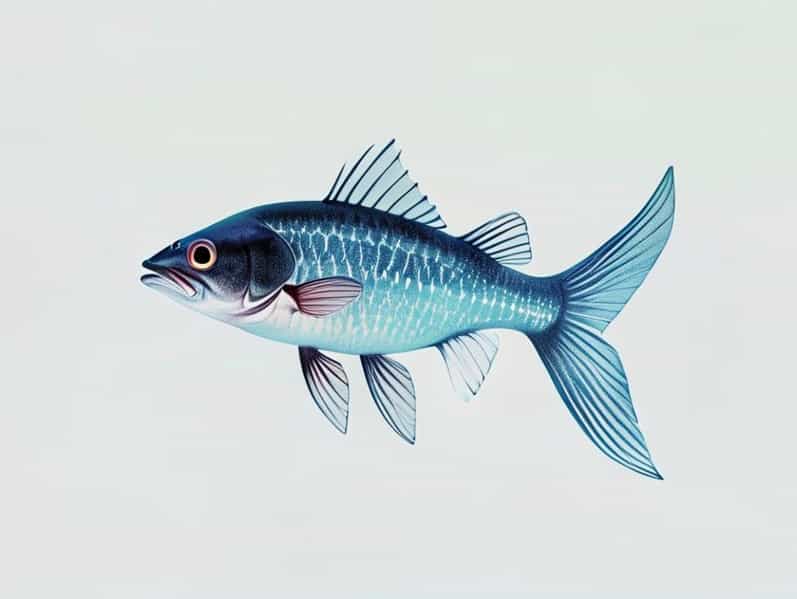
In vivo surface electrocardiography (ECG) in adult zebrafish has emerged as an important tool in cardiovascular research, providing insights into heart function, arrhythmias, and pharmacological effects in a small vertebrate model. Zebrafish are increasingly used in translational research due to their genetic similarity to humans, transparent embryos, and rapid development. In adult zebrafish, surface ECG allows researchers to non-invasively monitor cardiac electrical activity, study physiological and pathological conditions, and evaluate the effects of drugs or genetic modifications on heart rhythm. This topic explores the methodology, significance, challenges, and applications of in vivo surface ECG in adult zebrafish, highlighting its growing importance in biomedical research.
Understanding In Vivo Surface Electrocardiography
Surface electrocardiography involves recording the electrical activity of the heart using electrodes placed on the surface of the organism. In adult zebrafish, this technique is adapted to account for their small size and unique anatomy. Unlike mammalian models, zebrafish hearts are positioned close to the body surface, allowing for non-invasive electrode placement. ECG signals in zebrafish reflect the depolarization and repolarization of cardiac chambers, providing information about heart rate, rhythm, and conduction patterns.
Significance of ECG in Zebrafish Research
- Provides a non-invasive method to assess cardiac electrophysiology in adult zebrafish.
- Enables the study of genetic models of cardiac diseases, including arrhythmias and cardiomyopathies.
- Facilitates pharmacological testing to evaluate the effects of drugs on heart rate, rhythm, and conduction.
- Supports translational research by modeling human cardiac conditions in a vertebrate system.
Methodology of In Vivo Surface ECG in Adult Zebrafish
Performing in vivo surface ECG in adult zebrafish requires careful handling, specialized equipment, and precise electrode placement. The procedure involves several key steps to ensure accurate and reliable recordings while minimizing stress to the fish.
Preparation of Zebrafish
Before ECG recording, adult zebrafish are anesthetized using a suitable anesthetic such as tricaine (MS-222) to reduce movement and stress. The fish is placed on a moist sponge or platform to maintain hydration during the procedure. Proper anesthesia is crucial to prevent artifacts caused by excessive movement while maintaining cardiac function close to physiological conditions.
Electrode Placement
Surface electrodes are positioned carefully on the ventral side of the zebrafish, near the heart region. Typically, a three-electrode system is used to record standard ECG leads
- Negative electrode near the pectoral fins
- Positive electrode near the ventral midline, slightly posterior to the heart
- Ground electrode at the tail region
Electrode placement must be precise, as incorrect positioning can distort ECG signals and affect reproducibility. Microelectrodes or fine wire electrodes are commonly used due to the small size of adult zebrafish.
Signal Acquisition and Recording
Once electrodes are placed, the ECG signals are amplified and filtered to remove noise and baseline drift. High-sensitivity amplifiers and digital acquisition systems are employed to capture the low-amplitude cardiac signals. The recording duration can vary depending on the study, ranging from a few minutes for short-term assessments to longer periods for pharmacological or genetic studies. Data is analyzed to identify characteristic ECG waves, including P waves, QRS complexes, and T waves, which correspond to atrial depolarization, ventricular depolarization, and repolarization, respectively.
Applications of In Vivo Surface ECG in Adult Zebrafish
Surface ECG in adult zebrafish has a wide range of applications in cardiovascular research. Its non-invasive nature and ability to provide real-time data make it a valuable tool for studying both normal and pathological cardiac conditions.
Genetic Studies
Zebrafish are genetically tractable, allowing researchers to create models with specific mutations that mimic human cardiac disorders. In vivo ECG recordings help assess the functional impact of these genetic alterations, such as changes in heart rate, conduction delays, or arrhythmias, providing insights into the molecular mechanisms of disease.
Pharmacological Testing
Adult zebrafish are used to test the cardiac effects of various drugs, including anti-arrhythmic agents, cardiotoxic compounds, and novel therapeutics. Surface ECG enables the evaluation of drug-induced changes in heart rhythm, conduction, and repolarization. This approach provides a rapid, cost-effective screening tool for cardiac safety and efficacy before advancing to mammalian models.
Pathophysiological Research
In vivo ECG allows researchers to study the impact of environmental stressors, hypoxia, or induced disease states on cardiac function. For example, researchers can monitor heart rate variability, detect arrhythmias, and assess recovery from cardiac injury, offering valuable insights into disease mechanisms and potential interventions.
Challenges and Considerations
While in vivo surface ECG is a powerful tool, it presents several technical and biological challenges that must be considered for accurate data acquisition and interpretation.
Size and Motion Artifacts
The small size of adult zebrafish can make electrode placement challenging, and even minor movements can introduce artifacts in the ECG signal. Proper anesthesia and secure positioning of the fish help minimize these issues.
Signal Interpretation
Zebrafish have a higher heart rate than mammals, typically ranging from 120 to 180 beats per minute. This rapid rate requires careful analysis to distinguish normal physiological variations from pathological changes. Familiarity with species-specific ECG patterns is essential for accurate interpretation.
Reproducibility
Consistency in electrode placement, anesthesia depth, and environmental conditions is crucial to ensure reproducible results across experiments. Variations can affect ECG morphology and lead to inaccurate conclusions if not properly controlled.
Future Perspectives
Advancements in microelectrode technology, high-resolution amplifiers, and automated analysis software are enhancing the capabilities of in vivo surface ECG in adult zebrafish. Emerging techniques, such as wireless telemetry and long-term monitoring, allow for more naturalistic assessments of cardiac function without anesthesia-induced artifacts. These innovations will expand the utility of zebrafish models in cardiovascular research, drug testing, and personalized medicine applications.
In vivo surface electrocardiography in adult zebrafish is a valuable tool for studying heart function, disease mechanisms, and pharmacological effects. The methodology requires careful preparation, precise electrode placement, and specialized equipment to ensure accurate recordings. Applications of this technique include genetic studies, drug testing, and pathophysiological research, providing insights that are translatable to human cardiovascular health. Despite technical challenges, advancements in technology and methodology are enhancing the reliability and scope of surface ECG in adult zebrafish, solidifying their role as a powerful model in cardiovascular research.
I can also create a **version with detailed diagrams of electrode placement and sample ECG waveforms** in text form for better understanding of the procedure. Do you want me to do that?