The Atacama Desert is widely known as one of the driest places on Earth, attracting scientists, adventurers, and travelers interested in extreme landscapes and unique ecosystems. Its barren terrain, salt flats, volcanoes, and colorful rock formations make it a remarkable location for both natural studies and tourism. Many people wonder where this famous desert is located and which continent it belongs to, as its geography and climate are unlike many other deserts around the world. Understanding its location helps provide context for the cultural, ecological, and geological features that make the Atacama Desert so extraordinary.
Geographic Location of the Atacama Desert
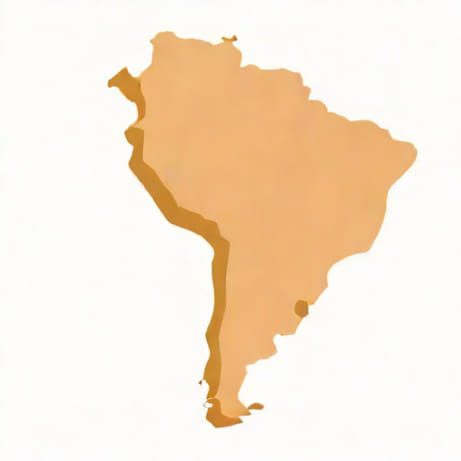
The Atacama Desert is located in South America, stretching primarily across northern Chile. It extends from the southern border of Peru to northern Chile, covering a narrow strip of land along the Pacific coast. The desert sits between the Andes Mountains to the east and the coastal range to the west, creating a unique environment shaped by its surrounding topography. Its location on the South American continent plays a key role in its extreme dryness and climate patterns, as it is influenced by both ocean currents and mountain ranges.
Extent and Size
The Atacama Desert covers roughly 105,000 square kilometers, making it one of the largest deserts in the world. Despite its vast size, it is much narrower than other deserts such as the Sahara. Its northern region is closer to the border with Peru, while its southern boundary reaches the area around the city of La Serena in Chile. The desert’s location in South America contributes to its distinctive characteristics, such as high elevation plateaus, salt flats, and volcanic formations. These features attract scientists studying Mars-like conditions, as parts of the Atacama Desert resemble the surface of the Red Planet.
Climate and Environmental Conditions
The Atacama Desert is famous for its hyper-arid climate. Some weather stations in the desert have never recorded rainfall, making it one of the driest places in the world. The desert’s location on the western edge of South America is crucial to this extreme dryness. The cold Humboldt Current along the Pacific Ocean reduces the amount of moisture in the air, while the Andes Mountains block moist air coming from the Amazon Basin. These combined factors create a rain shadow effect, preventing regular precipitation and contributing to its desert status.
Temperature and Daily Variations
The desert experiences significant temperature changes between day and night. Daytime temperatures can reach up to 30 degrees Celsius (86 degrees Fahrenheit), while nights may drop below freezing in some areas. This is partly due to its location in South America and the high-altitude plateaus within the desert. Despite the harsh climate, the Atacama hosts unique forms of life adapted to survive in its extreme conditions, including specialized plants, cacti, and resilient microorganisms.
Geological and Natural Features
The Atacama Desert is not only dry but also geologically fascinating. Its landscape includes salt flats, such as the Salar de Atacama, active and dormant volcanoes, lava flows, and rocky plateaus. The desert’s location on the South American continent has influenced its geological history, as tectonic activity along the Pacific Ring of Fire created mountains and volcanic structures over millions of years. Visitors can also find geysers, hot springs, and mineral-rich soils that support mining activities, particularly for lithium and copper.
- The Salar de Atacama is one of the largest salt flats in South America.
- Volcanoes such as Licancabur and Lascar provide stunning natural landmarks.
- Mineral deposits make the Atacama an important mining region.
- High-altitude plateaus allow for unique astronomical observatories due to clear skies.
Flora and Fauna
Although the Atacama Desert is extremely arid, life has adapted to survive there. Its location on the South American continent provides access to unique species that exist nowhere else. Plants such as the llareta and various cacti can store water for long periods, while animals like flamingos, foxes, and desert-adapted rodents thrive in isolated oases and salt flats. Microorganisms in the soil are particularly notable for their ability to endure extreme conditions, making the Atacama a key site for scientific research on survival in arid environments.
Cultural and Historical Significance
The Atacama Desert has been inhabited for thousands of years. Indigenous communities, such as the Atacameño people, have adapted to its harsh environment and developed unique agricultural and irrigation practices. The desert’s location in South America influenced trade, settlement patterns, and cultural development, particularly due to the scarcity of water and the presence of mineral resources. Today, the region combines historical heritage with modern tourism, drawing visitors interested in archaeology, astronomy, and adventure travel.
Tourism and Exploration
Tourists are drawn to the Atacama Desert for its unique landscapes and clear skies. Its location on the South American continent allows easy access from cities like Santiago, Chile. Travelers can explore salt flats, geysers, volcanoes, and the desert’s small towns such as San Pedro de Atacama. Astronomical observatories are popular due to minimal light pollution, providing some of the best stargazing opportunities in the world. Adventure enthusiasts also enjoy hiking, sandboarding, and exploring the desert’s diverse terrains.
The Atacama Desert is located in South America, primarily in northern Chile, and is one of the driest and most unique deserts in the world. Its location between the Andes Mountains and the Pacific Ocean creates extreme environmental conditions that have shaped its climate, geology, flora, fauna, and human history. Understanding its position on the South American continent helps explain its remarkable characteristics, from salt flats and volcanoes to hyper-arid landscapes and rare ecosystems. Whether for scientific research, cultural exploration, or adventure tourism, the Atacama Desert offers a fascinating example of how geography and location influence natural and human life. Its presence in South America makes it a destination unlike any other, highlighting the diversity and beauty of the continent’s landscapes.