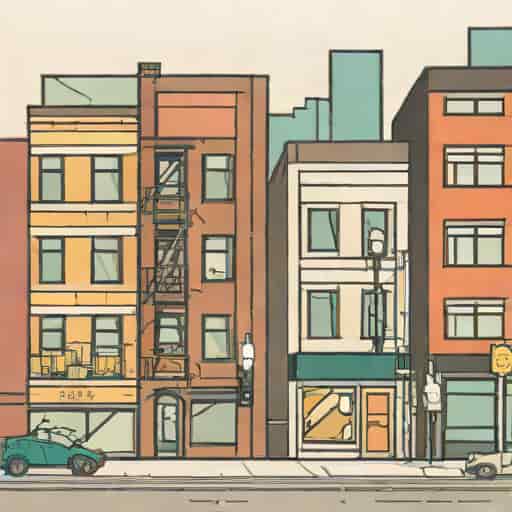
Gentrification has been a hotly debated topic in urban planning, particularly in cities like Vancouver, where the Downtown Eastside (DTES) faces complex social and economic challenges. This neighborhood has long been known for its high levels of poverty, homelessness, substance abuse, and underfunded social services. With increasing urban development and rising property values, gentrification brings both potential benefits and serious concerns. Evaluating whether gentrification is good for Vancouver’s Downtown Eastside requires a nuanced understanding of its economic, social, and cultural impacts on the community, as well as its long-term consequences for residents.
Understanding Gentrification
Gentrification is the process through which a neighborhood experiences urban renewal, rising property values, and the influx of more affluent residents. While it often improves infrastructure, amenities, and business opportunities, it can also displace long-term residents who can no longer afford rising rents or who feel culturally alienated in their own community. In Vancouver’s DTES, gentrification is particularly contentious because of the area’s history and the vulnerability of its population.
Economic Impacts of Gentrification
One of the main arguments in favor of gentrification is the potential for economic revitalization. Renovation of old buildings, investment in new housing, and the opening of shops and restaurants can attract businesses and create employment opportunities. Higher property values may increase tax revenues, allowing the city to invest more in public services. Additionally, gentrification can reduce blight and make neighborhoods safer for residents and visitors.
Improved Infrastructure
Gentrification often leads to upgrades in infrastructure such as roads, public transportation, parks, and lighting. These improvements can enhance the quality of life for remaining residents and attract new businesses. For example, DTES has seen some redevelopment projects aimed at improving streetscapes and housing conditions.
Social and Cultural Implications
Despite potential economic benefits, gentrification raises significant social and cultural concerns. The Downtown Eastside has a rich history of community activism and a diverse population, including Indigenous peoples, long-term low-income residents, and vulnerable populations. Gentrification can threaten these communities by displacing residents and altering the social fabric.
Displacement of Vulnerable Populations
Perhaps the most pressing concern is the displacement of long-term residents, particularly those experiencing poverty, addiction, or housing instability. Rising rents and property values often force low-income tenants to move to less central areas with fewer services. This displacement can exacerbate social inequalities and reduce access to vital healthcare, addiction support, and community services.
Impact on Community Services
Gentrification can also influence the availability and focus of community services. Nonprofit organizations and social service providers may struggle to maintain their presence or adjust to the changing demographics of the neighborhood. As new businesses and wealthier residents move in, the priorities of public and private investments may shift away from social programs, further marginalizing vulnerable populations.
Cultural Changes
The influx of more affluent residents can also lead to changes in the cultural landscape. Small businesses that have historically served the local community may be replaced by upscale restaurants, boutique shops, and commercial developments that cater to newcomers. These changes can erode the cultural identity of the DTES and alienate long-standing residents.
Health and Safety Considerations
Gentrification can have mixed effects on health and safety in the DTES. On one hand, revitalization may reduce crime rates, improve sanitation, and enhance access to healthcare facilities. On the other hand, displacement can increase stress, mental health issues, and substance abuse among residents forced to move away from their support networks. The presence of supportive housing and community health initiatives is crucial to ensure that gentrification does not worsen health disparities.
Housing Affordability Crisis
Vancouver is already facing a housing affordability crisis, and gentrification can exacerbate this problem in the DTES. As property values rise, low-income residents are often priced out of the neighborhood. While some argue that new developments create more housing stock, the type of housing built often caters to higher-income residents, leaving the most vulnerable with fewer options.
Balancing Economic Growth with Social Responsibility
For gentrification to be beneficial in the DTES, it must be carefully managed to balance economic growth with social responsibility. Policies that protect tenants, provide affordable housing, and maintain community services are essential. Without these measures, gentrification risks displacing those who need support the most and undermining the social fabric of the community.
Policy Measures
- Rent control and tenant protection laws to prevent eviction and displacement.
- Investment in affordable housing and supportive housing initiatives.
- Community consultation and participatory planning to ensure development reflects the needs of existing residents.
- Preservation of cultural landmarks and community spaces to maintain the neighborhood’s identity.
- Incentives for developers to include mixed-income housing in new projects.
Case Studies and Evidence
Research on gentrification in urban centers around the world shows that the effects are often mixed. In some cases, neighborhoods experience economic growth and improved services without significant displacement. In others, vulnerable populations are pushed out, leading to social fragmentation. Vancouver’s DTES provides a unique case study because of the concentration of poverty, the presence of Indigenous communities, and the history of social activism. Studies indicate that while some revitalization projects have improved infrastructure and safety, the risk of displacement remains high, highlighting the need for careful policy interventions.
Community Responses
Local organizations and activists have been vocal about the potential harms of gentrification. Efforts to advocate for affordable housing, tenant protections, and community-led development are ongoing. These responses underscore the importance of including residents in decision-making processes and ensuring that development benefits everyone, not just newcomers or investors.
Gentrification in Vancouver’s Downtown Eastside is a double-edged sword. On one hand, it can bring economic growth, improved infrastructure, and increased safety. On the other hand, it can displace vulnerable populations, disrupt community networks, and threaten cultural identity. Whether gentrification is good for the DTES depends largely on how it is managed and whether policies are implemented to protect long-term residents. Balanced development that prioritizes affordable housing, community services, and social inclusion can maximize the benefits of gentrification while minimizing harm. Without careful planning, however, gentrification risks deepening inequality and undermining the very communities that make the DTES unique. Ultimately, the future of the Downtown Eastside depends on creating a model of urban renewal that values both economic development and social equity, ensuring that revitalization benefits all residents rather than a select few.