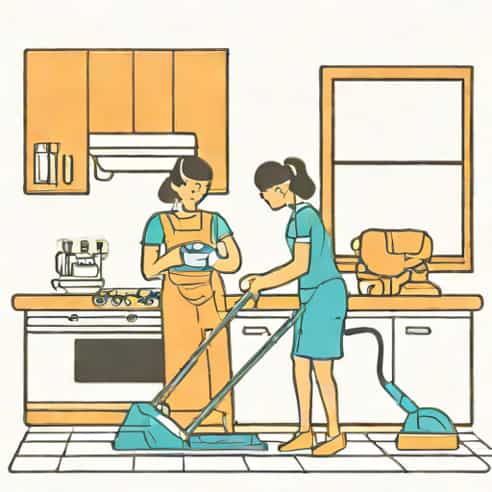
Many people often wonder whether the physical activity involved in housework can be classified as exercise. Housework encompasses a wide range of tasks such as cleaning, sweeping, mopping, vacuuming, washing dishes, laundry, gardening, and other chores necessary for maintaining a home. While these activities may seem mundane or routine, they do require physical effort and can raise the heart rate, burn calories, and engage various muscle groups. Understanding whether housework counts as exercise depends on factors like intensity, duration, and the type of movement involved, as well as how it compares to structured workouts or traditional forms of exercise.
Defining Exercise and Physical Activity
Exercise is typically defined as planned, structured, and repetitive physical activity that aims to improve or maintain physical fitness, including cardiovascular health, strength, flexibility, and endurance. Physical activity, on the other hand, is a broader term that includes any bodily movement produced by skeletal muscles that results in energy expenditure. This means that while all exercise is physical activity, not all physical activity qualifies as structured exercise. Housework falls into the category of physical activity, but whether it counts as effective exercise depends on its intensity and impact on the body.
Intensity Matters
The intensity of housework is a crucial factor in determining whether it can be considered exercise. Light housework, such as dusting or organizing, may not significantly raise the heart rate or build muscle strength. Moderate to vigorous activities, like vacuuming, scrubbing floors, moving furniture, or mowing the lawn, are more likely to provide cardiovascular benefits and contribute to muscle engagement. According to health guidelines, moderate-intensity activity should raise your heart rate and make you breathe faster while still allowing conversation. Tasks that meet this level can contribute to daily exercise goals.
Calories Burned During Housework
One way to evaluate whether housework can be considered exercise is to examine the calories burned during various chores. The number of calories burned depends on the type of task, duration, and the individual’s body weight. For example
- Vacuuming for 30 minutes can burn approximately 100-150 calories.
- Mopping or scrubbing floors for 30 minutes can burn around 120-170 calories.
- Gardening or yard work for 30 minutes can burn 150-200 calories.
- Carrying heavy loads of laundry or moving furniture can burn additional calories.
While these calorie expenditures may be lower than those achieved during a high-intensity workout, consistent performance of moderate-intensity housework can contribute to overall daily energy expenditure and help maintain a healthy weight.
Muscle Engagement and Strength Benefits
In addition to calorie burning, housework can also engage various muscle groups. Tasks such as scrubbing, lifting, or bending can activate muscles in the arms, shoulders, back, and legs. Gardening activities like digging, planting, or raking engage core and lower body muscles. These movements can help maintain functional strength and flexibility, which are important for daily living activities, especially for older adults. While housework alone may not replace targeted strength training, it contributes to maintaining muscle tone and mobility over time.
Health Guidelines and Recommendations
Health organizations such as the World Health Organization (WHO) and the Centers for Disease Control and Prevention (CDC) recommend at least 150 minutes of moderate-intensity or 75 minutes of vigorous-intensity aerobic activity per week, along with muscle-strengthening activities twice a week. Incorporating housework into this routine can help individuals reach these goals, particularly when combined with other forms of physical activity. Housework may serve as an accessible and practical way to increase daily activity levels, especially for those who find it difficult to commit to structured exercise sessions.
Examples of Housework as Exercise
- Vacuuming vigorously while moving furniture engages both the upper and lower body and can raise the heart rate.
- Mopping floors using a wide range of motion can strengthen the arms, shoulders, and core.
- Gardening tasks like digging, shoveling, or raking offer both cardiovascular and muscular benefits.
- Lifting and carrying laundry or groceries can contribute to functional strength.
- Window washing and cleaning tasks that involve stretching and bending can improve flexibility and mobility.
Limitations of Housework as Exercise
Despite its benefits, housework has limitations compared to structured exercise. It may not consistently provide the intensity needed to improve cardiovascular fitness or build significant muscle mass. The duration and intensity can be highly variable, and some chores are too light to have a meaningful impact on physical fitness. For individuals aiming for specific fitness goals, such as building muscle or training for endurance, housework should be supplemented with targeted workouts. However, for general health, mobility, and maintaining an active lifestyle, housework can play a supportive role.
Mental and Emotional Benefits
Beyond physical benefits, housework can also provide mental and emotional advantages. Engaging in chores can reduce stress, create a sense of accomplishment, and improve mood. The repetitive, purposeful actions involved in cleaning or organizing can even have a meditative quality for some individuals. While not directly related to physical fitness, these psychological benefits contribute to overall well-being, making housework a holistic component of a healthy lifestyle.
Making Housework More Effective as Exercise
For those who want to maximize the exercise benefits of housework, certain strategies can help. Increasing the pace or intensity of chores can raise heart rate and energy expenditure. Combining tasks, such as vacuuming followed by scrubbing or lifting, can engage multiple muscle groups. Incorporating squats, lunges, or stretches during breaks can further enhance muscle activation. Using a wearable fitness tracker can provide feedback on calories burned and help monitor daily activity levels, ensuring that housework contributes meaningfully to overall physical activity goals.
Housework can indeed be considered a form of physical activity, and in certain circumstances, it can contribute to meeting exercise recommendations. While not a substitute for structured workouts designed for cardiovascular improvement or strength training, housework offers practical, accessible, and consistent movement that engages multiple muscle groups and burns calories. It also provides mental and emotional benefits that contribute to overall well-being. By approaching housework with intentionality and effort, individuals can enhance its impact and incorporate it effectively into a healthy, active lifestyle. In the broader sense, recognizing housework as a legitimate contributor to daily activity reinforces the importance of staying active throughout the day, even in simple, everyday tasks.