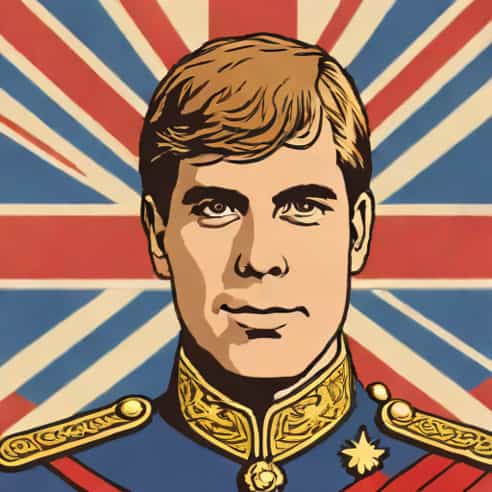
Prince Andrew has been a prominent figure in the British royal family for decades, known both for his public duties and his personal life. Many people wonder about his official title and the historical context of his role. He is commonly referred to as the Duke of York, a title with deep roots in the British monarchy, traditionally granted to the second son of the reigning monarch. Understanding whether Prince Andrew is the Duke of York requires exploring the history of the title, his personal biography, and how recent events have influenced his public standing and responsibilities.
The Title of Duke of York
The title of Duke of York is one of the most significant in the British peerage system. Historically, it has been associated with the second son of the monarch, a tradition that dates back to the 14th century. The title carries with it both ceremonial significance and social prestige, although it does not automatically grant political power. Over the centuries, many holders of the title have played key roles in royal succession, military leadership, and diplomatic representation.
Historical Significance
The first Duke of York was Edmund of Langley, who received the title in 1385. Since then, the title has been recreated multiple times, often bestowed on princes as a mark of royal favor. Many Dukes of York eventually ascended to the throne, such as King George VI, illustrating the importance of this position within the monarchy. The title is typically associated with ceremonial duties, charitable patronage, and involvement in official royal events.
Prince Andrew’s Biography
Prince Andrew, born on February 19, 1960, is the second son of Queen Elizabeth II and Prince Philip, Duke of Edinburgh. As the second son, he was traditionally eligible for the title of Duke of York, which he was granted upon his marriage to Sarah Ferguson in 1986. His early life included formal education, military training, and public service, reflecting the expectations placed upon royal family members.
Military Career
Prince Andrew pursued a career in the Royal Navy, where he served with distinction. He trained as a helicopter pilot and participated in active service during the Falklands War in 1982. His military service enhanced his public profile and contributed to his reputation as a dedicated royal who combined ceremonial duties with tangible service to the country.
Royal Duties
As the Duke of York, Prince Andrew carried out a variety of royal engagements, including representing the monarchy abroad, supporting charitable organizations, and participating in official ceremonies. Over the years, he was particularly involved in initiatives related to business, youth development, and the armed forces. His work reflected the traditional responsibilities of a senior royal with a ducal title.
Controversies and Public Scrutiny
In recent years, Prince Andrew’s public image has been affected by controversy. Legal issues and allegations have led to intense media coverage and public debate. While he retains the title of Duke of York, his role within the royal family and his participation in public duties have been significantly curtailed. He has stepped back from official engagements and patronages, reflecting the impact of these controversies on his standing.
Impact on Royal Duties
The controversies surrounding Prince Andrew have led to a reduction in his visibility as a public figure. Many organizations and charities associated with him have distanced themselves, and he no longer represents the royal family in official capacities. Nevertheless, he remains a member of the royal family and retains his titles, including Duke of York, although the practical use and public association with the title have changed.
The Duke of York Title Today
Today, Prince Andrew is still formally the Duke of York, a title he received in 1986. The title is hereditary, tied to the royal peerage, and remains legally his. However, its association with public service and ceremonial duties has been altered due to his voluntary withdrawal from official royal engagements. The future of the title may depend on succession, family decisions, and public perception, as it has traditionally been granted to the next eligible second son of the reigning monarch.
Succession Considerations
The Duke of York title is not automatically passed to heirs unless formally granted. Prince Andrew’s daughters, Princess Beatrice and Princess Eugenie, do not automatically inherit ducal titles, although they hold princess titles by birth. The history of the title shows that it is often recreated for new second sons of the monarchy, which may influence how it is viewed and utilized in the future.
Public Perception and Media Coverage
Public perception of Prince Andrew has shifted dramatically over time. Once celebrated for his military service and charitable work, he is now more widely recognized in the context of controversy and legal challenges. Media coverage has highlighted these issues, affecting the broader reputation of the Duke of York title. Despite this, the historical and ceremonial significance of the title remains intact, distinguishing it from transient public opinion.
Charitable and Ceremonial Legacy
Before his withdrawal from active duties, Prince Andrew supported numerous charities and ceremonial events. His association with the armed forces, educational initiatives, and economic development programs marked a period when the Duke of York title was closely linked with service. These contributions remain part of his legacy, even as public scrutiny has changed his role in contemporary royal life.
Prince Andrew is indeed the Duke of York, a title he received as the second son of Queen Elizabeth II. While he retains this title, recent controversies have significantly affected his public role and the perception of his duties. Historically, the Duke of York has been an important royal position with ceremonial, charitable, and occasionally political significance. Prince Andrew’s biography reflects both the traditional responsibilities of a ducal titleholder and the challenges faced by modern royals in maintaining public trust. Understanding his position as Duke of York requires considering not only the legal and hereditary aspects of the title but also the broader context of royal duties, public service, and contemporary media scrutiny. The title remains historically significant, even as its practical implications for Prince Andrew’s role have evolved over time.