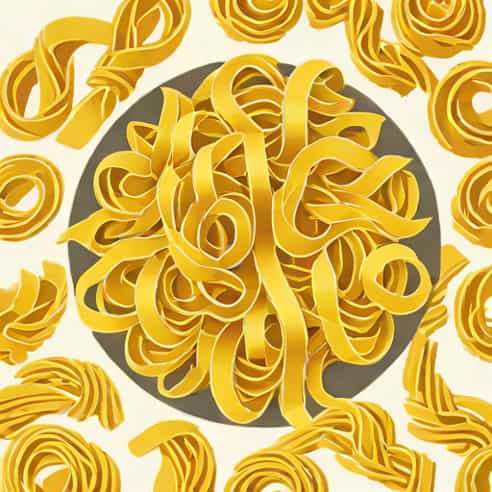
Tagliatelle pasta is a traditional Italian pasta known for its long, flat ribbons and versatility in pairing with a variety of sauces. It is a staple in Italian cuisine, often enjoyed with rich meat sauces, creamy dishes, or light vegetable toppings. However, for individuals with gluten intolerance or celiac disease, the question arises is tagliatelle pasta gluten free? Understanding whether traditional or specialty versions of tagliatelle are safe to consume for those avoiding gluten is essential for maintaining both health and enjoyment of Italian cuisine. This topic explores the ingredients, alternatives, and considerations for enjoying tagliatelle without gluten.
Traditional Tagliatelle Ingredients
Traditional tagliatelle pasta is made from wheat flour, specifically durum wheat semolina, mixed with water and sometimes eggs. Durum wheat contains gluten, a protein that provides elasticity and structure to the pasta, giving it its characteristic texture. Because of this, standard tagliatelle is not gluten free and should be avoided by individuals with celiac disease or gluten sensitivity. Consuming traditional tagliatelle can cause digestive discomfort, allergic reactions, or more severe health issues for those affected by gluten.
Gluten and Its Role in Pasta
Gluten is a combination of proteins found in wheat, barley, and rye. In pasta, gluten forms a network that traps water, allowing dough to stretch and hold its shape during cooking. This is why wheat-based tagliatelle has a firm yet tender texture when boiled. While gluten is safe for most people, those with celiac disease experience an immune reaction that damages the small intestine when gluten is consumed. People with non-celiac gluten sensitivity may also experience symptoms such as bloating, fatigue, or headaches after eating wheat-based pasta.
Gluten-Free Tagliatelle Options
Fortunately, gluten-free alternatives to traditional tagliatelle are widely available. These options are made using flours that do not contain gluten, such as rice flour, corn flour, quinoa flour, or a combination of gluten-free grains. Gluten-free tagliatelle aims to mimic the texture and cooking properties of traditional pasta while remaining safe for those avoiding gluten.
Types of Gluten-Free Flours
- Rice FlourProvides a neutral flavor and a slightly firm texture. Often combined with other flours for better elasticity.
- Corn FlourAdds a mild sweetness and golden color, commonly used in combination with rice or tapioca flour.
- Quinoa FlourHigh in protein and nutrients, giving a slightly nutty taste and firmer texture.
- Tapioca or Potato StarchOften used to improve elasticity and prevent the pasta from breaking apart.
Purchasing Gluten-Free Tagliatelle
Gluten-free tagliatelle can be found in supermarkets, health food stores, and online retailers. When purchasing, it is important to check the packaging for certified gluten-free labeling to ensure there is no cross-contamination with wheat products. Some brands also offer egg-free or vegan gluten-free tagliatelle, expanding options for dietary restrictions beyond gluten avoidance.
Cooking Gluten-Free Tagliatelle
Cooking gluten-free tagliatelle requires some care to achieve the best texture. Unlike traditional wheat pasta, gluten-free pasta can become sticky or break apart if overcooked. Here are some tips for cooking gluten-free tagliatelle
- Use a large pot of boiling water to prevent sticking.
- Add a pinch of salt to enhance flavor.
- Stir gently and occasionally to separate strands.
- Follow the package instructions carefully, as cooking times may differ from traditional pasta.
- Rinse with warm water if necessary to remove excess starch before serving.
Serving Suggestions
Gluten-free tagliatelle pairs well with the same variety of sauces as traditional pasta. Cream-based sauces, tomato-based sauces, pesto, or simple olive oil and garlic combinations can all complement the texture and flavor. To enhance the dish, consider adding vegetables, proteins, or herbs to create a balanced and satisfying meal. Gluten-free tagliatelle allows individuals to enjoy classic Italian dishes without compromising their dietary needs.
Health Considerations
Choosing gluten-free tagliatelle is essential for individuals with celiac disease, wheat allergies, or gluten sensitivity. Beyond avoiding gluten, gluten-free pasta can also offer nutritional diversity depending on the flours used. For instance, quinoa or chickpea-based tagliatelle adds protein and fiber, contributing to a healthier diet. However, it is important to read labels carefully, as some gluten-free pastas may contain added sugars or preservatives. Pairing gluten-free pasta with vegetables, lean proteins, and healthy fats can create a well-rounded, nutritious meal.
Cross-Contamination Risks
Even gluten-free tagliatelle can pose risks if it comes into contact with gluten during preparation or cooking. To minimize cross-contamination
- Use separate utensils, pots, and strainers for gluten-free pasta.
- Ensure the cooking area is free of wheat flour or crumbs.
- Store gluten-free pasta in a clean, dry container away from wheat-based products.
Traditional tagliatelle pasta is not gluten free because it is made from wheat flour, which contains gluten. For individuals with celiac disease or gluten intolerance, consuming standard tagliatelle can cause serious health issues. Fortunately, gluten-free alternatives are widely available, made from rice, corn, quinoa, and other gluten-free grains. These alternatives allow people to enjoy the taste and texture of tagliatelle without risking gluten exposure. Cooking gluten-free pasta requires care to maintain texture, and it pairs well with a variety of sauces and toppings. By choosing certified gluten-free tagliatelle and taking precautions to prevent cross-contamination, individuals can enjoy classic Italian dishes safely. Gluten-free tagliatelle provides both a delicious and health-conscious option, ensuring that dietary restrictions do not limit culinary enjoyment.