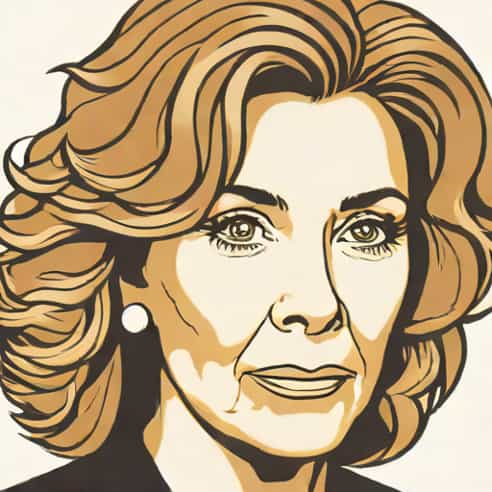
In the late 1970s, American cinema began exploring new dimensions of female independence and emotional depth, and one of the most remarkable examples was the filmAn Unmarried Woman(1978). Starring Jill Clayburgh in the leading role, this film became an emblem of liberation and personal rediscovery. It broke traditional Hollywood depictions of women by presenting a nuanced portrait of a modern woman navigating the challenges of marriage, divorce, and identity. Clayburgh’s performance was both authentic and deeply relatable, earning her critical acclaim and solidifying her as one of the defining actresses of her generation.
Jill Clayburgh’s Role inAn Unmarried Woman
Jill Clayburgh portrayed Erica Benton, a woman whose seemingly perfect life is shattered when her husband confesses that he has fallen in love with someone else. This revelation forces Erica to confront her fears, insecurities, and assumptions about love and self-worth. Rather than descending into despair, she embarks on a journey of emotional healing and self-discovery. Clayburgh’s naturalistic acting style made Erica’s transformation believable and inspiring, reflecting the inner strength many women were beginning to assert in real life during the feminist movement of the 1970s.
Clayburgh infused the character with warmth, intelligence, and quiet resilience. Her ability to balance vulnerability with strength allowed audiences to see a woman who was not defined by her relationship status, but by her humanity. This portrayal resonated deeply with viewers and critics, marking a turning point in how women were represented on screen.
The Cultural Context of the Film
Released in 1978,An Unmarried Womanarrived during a time of significant cultural change in America. The feminist movement had gained momentum, challenging traditional gender roles and promoting equality in both personal and professional spheres. The film’s depiction of a woman reclaiming her identity after divorce spoke directly to the social conversations of the time. It addressed themes of self-respect, independence, and emotional honesty in ways that felt fresh and empowering.
The film’s success was partly due to the way it mirrored the lives of many women who were questioning societal expectations. Divorce rates were rising, and women were increasingly seeking autonomy. Erica Benton’s story was a reflection of these shifts, making the film both timely and revolutionary. Jill Clayburgh became an icon of this cultural moment, embodying the struggles and triumphs of the modern woman.
Clayburgh’s Performance and Critical Reception
Jill Clayburgh’s performance inAn Unmarried Womanwas met with universal acclaim. Critics praised her for her emotional honesty and the subtlety with which she expressed pain, confusion, and eventual empowerment. She was nominated for an Academy Award for Best Actress and won the Best Actress award at the Cannes Film Festival. The role not only elevated her career but also influenced the direction of female representation in American cinema.
Her acting was free from melodrama, instead rooted in realism. Clayburgh captured the everyday struggles of a woman trying to rebuild her life without resorting to clichés. This authenticity gave audiences a reason to empathize deeply with Erica’s journey. Many viewers saw her performance as a reflection of their own emotional experiences, which helped solidify the film’s enduring legacy.
Exploring Themes of Independence and Emotional Growth
One of the most compelling aspects ofAn Unmarried Womanis its exploration of independence and personal growth. Erica’s evolution is gradual and believable, showing that emotional strength is not achieved overnight. Through her relationships-with friends, lovers, and her daughter-she learns to value herself not as a wife or mother, but as an individual. The film captures the importance of self-awareness and emotional honesty, key themes that continue to resonate today.
In many ways, the movie can be seen as a psychological study of transformation. Erica begins as someone whose identity is tied to her marriage, but through introspection and life experiences, she reclaims her sense of self. Jill Clayburgh portrayed this transition with remarkable sensitivity, making the audience feel every stage of Erica’s journey-from heartbreak to empowerment.
The Role of Feminism in the Narrative
Feminism plays an underlying role in the film’s narrative. Rather than presenting feminism as a political ideology,An Unmarried Womanhumanizes it through Erica’s personal experiences. She doesn’t become a feminist by joining protests or quoting theory; she becomes one through her lived reality. Her choices-to live alone, to explore new relationships, and to define success on her own terms-represent the essence of self-determination.
Jill Clayburgh’s portrayal made feminism accessible and relatable to a mainstream audience. Instead of being didactic or confrontational, her character’s evolution quietly emphasized the importance of agency and authenticity. The film suggested that independence was not about rejecting love or family, but about finding balance and self-respect within those relationships.
Impact on Cinema and Gender Representation
An Unmarried Womanhad a lasting impact on the film industry. Before its release, female characters in Hollywood were often secondary, defined by their roles as wives or girlfriends. The film broke that mold by centering entirely on a woman’s emotional journey. It paved the way for later films that explored similar themes, such asKramer vs. KramerandTerms of Endearment. Jill Clayburgh’s success in the role also encouraged other actresses to seek complex, substantial parts that went beyond traditional stereotypes.
Moreover, the movie challenged male-dominated narratives and inspired a new wave of filmmakers to create stories focused on women’s perspectives. Its blend of realism, emotional depth, and social relevance made it a benchmark for character-driven drama in American cinema.
Legacy of Jill Clayburgh
Jill Clayburgh’s legacy extends beyond her role inAn Unmarried Woman. She continued to play strong, intelligent women throughout her career, in films likeStarting Over(1979) andIt’s My Turn(1980). However, her portrayal of Erica Benton remains her most iconic performance. She became a symbol of emotional authenticity and feminist strength, inspiring generations of actresses who followed her path.
Her work in the film industry proved that audiences were eager to see real, flawed, and evolving female characters. Clayburgh’s artistry contributed to a cultural shift that recognized women’s stories as equally valuable and compelling as men’s. Even decades later, her influence can be seen in modern cinema and television, where complex female leads are now the norm rather than the exception.
An Unmarried Womanand Jill Clayburgh’s unforgettable performance remain milestones in cinematic history. The film’s themes of emotional independence, resilience, and self-discovery continue to resonate with audiences today. It stands as a reminder of how storytelling can reflect social change and inspire personal growth. Jill Clayburgh’s portrayal of Erica Benton is more than just an acting achievement-it is a powerful statement about the strength and depth of women navigating life on their own terms. Through her work, Clayburgh not only transformed Hollywood’s perception of female characters but also gave countless viewers the courage to embrace their independence and define happiness for themselves.