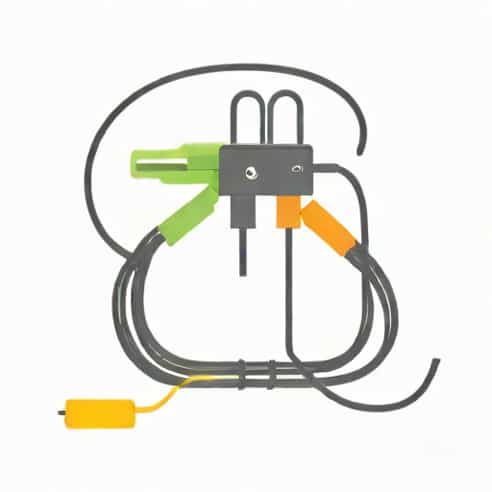
Jumper wires with alligator clips are simple yet highly versatile tools used in electronics, electrical testing, and DIY projects. They allow users to make temporary connections between components without soldering, which makes them ideal for experiments, troubleshooting, and prototyping. Because they are easy to use and widely available, jumper wires with alligator clips have become a must-have for both beginners and professionals in electronics. Understanding how they work, their types, and their applications can help you use them safely and effectively.
What Are Jumper Wires with Alligator Clips?
Jumper wires with alligator clips are short electrical conductors used to connect two points in a circuit temporarily. One or both ends of the wire feature alligator clips-metal spring-loaded clamps with serrated jaws that grip onto terminals, wires, or other components. The clips are usually insulated with rubber or plastic sleeves to prevent accidental short circuits or shocks. These wires are used in laboratories, classrooms, and workshops to test connections quickly and efficiently.
The main advantage of using jumper wires with alligator clips is that they eliminate the need for soldering or permanent connections. This allows users to test different configurations, connect sensors, or check continuity without damaging the circuit. Whether you’re building an Arduino project or repairing household electronics, these wires make experimentation fast and safe.
Components and Structure
A typical jumper wire with alligator clips consists of three main parts the conductor, the insulation, and the clips. Each part serves a unique function that ensures flexibility, safety, and reliability.
- ConductorUsually made of copper or tinned copper for excellent electrical conductivity. The conductor may be a single solid wire or multiple fine strands to improve flexibility.
- InsulationThe outer covering made of PVC, silicone, or rubber protects users from electric shock and prevents short circuits between adjacent wires.
- Alligator ClipsThese clips have a spring mechanism and serrated teeth for a firm grip. They come in various sizes and colors to help identify connections easily.
Some jumper wires have clips on both ends, while others combine an alligator clip on one end and a pin or socket connector on the other. This makes them adaptable for use with breadboards, test leads, batteries, and other components.
Types of Jumper Wires with Alligator Clips
There are several types of jumper wires, each designed for specific uses. The choice depends on the type of connection you need and the devices involved.
1. Dual Alligator Clip Wires
These wires have alligator clips on both ends. They are perfect for connecting two terminals, testing circuits, or bridging gaps in a prototype. Because of their simplicity, they are the most common type used in educational labs and quick testing environments.
2. Alligator Clip to Male Pin Jumper Wires
This type features an alligator clip on one end and a male header pin on the other. The male pin can be inserted directly into a breadboard or Arduino board, making it easy to test sensors and other electronic modules without permanent wiring.
3. Alligator Clip to Female Socket Jumper Wires
These have a female connector on one end, allowing them to attach to male pins of sensors, LEDs, or microcontrollers. They are very useful for flexible prototyping and connections between modules that do not use breadboards.
Applications of Jumper Wires with Alligator Clips
Jumper wires with alligator clips have endless applications in both educational and professional settings. Their versatility and convenience make them suitable for a wide range of tasks.
- Prototyping CircuitsQuickly build and test electronic prototypes without soldering.
- Electrical TestingConnect test instruments like multimeters or oscilloscopes to components easily.
- Battery ConnectionsTemporarily connect batteries to circuits or devices for quick power tests.
- Repair WorkHold broken wires together during repair or diagnose faulty connections.
- Educational DemonstrationsCommonly used in science labs to teach students about current flow and resistance.
In robotics, hobby projects, and automotive diagnostics, these jumper wires serve as reliable, reusable tools that simplify the process of connecting and testing different systems.
Advantages of Using Jumper Wires with Alligator Clips
The popularity of jumper wires with alligator clips comes from their numerous advantages. They offer speed, flexibility, and safety-all crucial in experimentation and learning environments.
- They save time by allowing quick connections without soldering.
- They reduce risk of damaging sensitive components during testing.
- They can be reused multiple times, offering cost efficiency.
- The color-coded clips help identify positive, negative, and ground connections easily.
- The strong spring-loaded clips ensure secure contact with various terminals.
These benefits make them a staple in every electronics kit. Even professional engineers use them during the initial phase of circuit development to verify designs before creating permanent soldered connections.
Safety Tips When Using Jumper Wires with Alligator Clips
Although these wires are low-risk tools, proper usage ensures safety and accuracy. Poor handling can lead to short circuits, inaccurate readings, or damaged equipment. To avoid issues, keep the following precautions in mind
- Always check the insulation for cracks or damage before use.
- Ensure the clips are properly insulated, especially when connecting to live circuits.
- Do not exceed the recommended current or voltage ratings of the wire.
- Keep the clips clean to maintain good electrical contact.
- Disconnect the power source before adjusting connections.
Following these safety measures prevents accidents and ensures consistent performance, especially when working with sensitive components.
How to Choose the Right Jumper Wires
Choosing the correct jumper wire with alligator clips depends on several factors such as wire length, clip size, and insulation material. For low-voltage electronics, thin flexible wires work best. For higher current applications, thicker wires with heavy-duty clips are recommended.
The color of the insulation also plays an important role in keeping circuits organized. Common color conventions include red for positive, black for ground, and yellow or green for signal lines. Keeping consistent color coding helps avoid confusion and reduces the risk of wiring errors during complex projects.
Maintenance and Care
Proper maintenance can significantly extend the life of jumper wires with alligator clips. Always store them in a dry, clean place to prevent corrosion on the metal clips. Avoid pulling the wires by the insulation or bending them sharply, as this can cause internal breakage. If a clip becomes loose or oxidized, gently clean it with fine sandpaper or a contact cleaner.
Replacing damaged wires or clips immediately prevents poor connections and improves safety. With regular care, a good set of jumper wires can last for years, even with frequent use.
Jumper wires with alligator clips are simple yet indispensable tools for anyone involved in electronics or electrical experimentation. They provide a reliable way to connect, test, and troubleshoot circuits without the need for permanent soldering. From classroom experiments to professional prototyping, these versatile wires save time and effort while encouraging creativity and innovation. By understanding their structure, uses, and maintenance, you can make the most of these practical tools in every electrical project. Whether you are a hobbyist, student, or engineer, jumper wires with alligator clips remain an essential part of any toolkit.