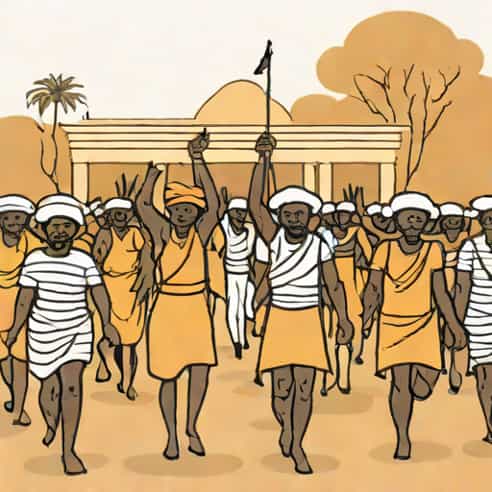
In recent years, the Khoisan people have increasingly raised their voices to demand recognition, land rights, and social justice in South Africa. One of the most significant events highlighting their struggle was the protest at the Union Buildings in Pretoria. This protest symbolized not only the ongoing fight for acknowledgment of the Khoisan as the country’s indigenous people but also the broader issues of historical marginalization and the quest for equitable treatment under the law. Understanding the context, motivations, and implications of this protest sheds light on the ongoing challenges faced by indigenous communities in modern South Africa.
Background of the Khoisan Community
The Khoisan are one of the earliest known inhabitants of Southern Africa, comprising the Khoikhoi and San groups. Historically, they were hunter-gatherers and pastoralists who occupied vast territories long before colonial settlers arrived. Over centuries, the Khoisan experienced displacement, cultural suppression, and marginalization due to colonial expansion and apartheid policies. Despite these challenges, they have maintained distinct cultural practices, languages, and traditions, which continue to play a crucial role in South Africa’s heritage.
Historical Struggles and Marginalization
The history of the Khoisan people is marked by systemic exclusion from political and economic structures. During colonial rule, their lands were seized, and their communities were often forced into servitude or labor. Under apartheid, the Khoisan were further marginalized, with their identities largely ignored in official records and policies. These historical injustices have led to ongoing struggles for recognition, reparations, and the right to reclaim ancestral lands, which form the basis of contemporary protests such as the one at the Union Buildings.
The Union Buildings Protest
The protest at the Union Buildings, a symbolic seat of government in Pretoria, was organized by Khoisan representatives and activists to highlight the urgent need for government action. Protesters demanded formal recognition of the Khoisan as the indigenous people of South Africa, restitution of ancestral lands, and protection of cultural heritage. The choice of the Union Buildings as the protest site underscores the significance of addressing these issues directly to the nation’s political leadership.
Objectives and Demands
The protesters outlined several key demands during the demonstration
- Official recognition of the Khoisan as South Africa’s first peoples, ensuring their rights are protected under the constitution.
- Restitution of ancestral lands and compensation for historical dispossession.
- Preservation and promotion of Khoisan languages and cultural practices.
- Inclusion in national policies regarding education, healthcare, and social welfare to address systemic inequalities.
These demands reflect the broader struggle for social justice and equality, emphasizing the need to acknowledge the historical contributions and rights of indigenous communities in South Africa.
Significance of the Protest
The protest at the Union Buildings was not only a call for recognition but also a demonstration of the Khoisan community’s resilience and unity. By mobilizing in a high-profile location, activists sought to draw national and international attention to their plight. The event highlighted the importance of dialogue between the government and indigenous communities, stressing that meaningful solutions require consultation, respect, and concrete policy measures.
Impact on Public Awareness
One of the key outcomes of the protest was increased public awareness regarding the historical and ongoing challenges faced by the Khoisan. Media coverage of the demonstration brought the issues of land rights, cultural preservation, and recognition to a wider audience, encouraging discussions about reconciliation, historical justice, and the responsibilities of the state. For many South Africans, the protest served as a reminder of the importance of inclusivity and respect for indigenous communities in nation-building efforts.
Challenges Faced by the Khoisan Today
Despite the visibility gained through protests, the Khoisan continue to face significant challenges. Socio-economic disparities, limited access to education and healthcare, and ongoing land disputes remain pressing issues. Additionally, recognition as an indigenous group does not automatically resolve the structural inequalities that have accumulated over centuries. These challenges underline the need for sustained advocacy, policy reforms, and targeted programs to uplift Khoisan communities.
Legal and Political Barriers
Efforts to achieve official recognition and land restitution are often complicated by bureaucratic hurdles and legal frameworks. Many claims require extensive documentation, which can be difficult given the historical displacement and lack of formal records. Politically, there may be resistance to prioritizing indigenous claims over other national interests, making sustained activism and public engagement critical to achieving long-term success.
Strategies for Advancing Khoisan Rights
To address these ongoing issues, various strategies have been proposed and implemented by Khoisan activists and supporting organizations. These include
- Legal advocacy to secure land rights and formal recognition under South African law.
- Cultural preservation programs to protect languages, traditions, and heritage sites.
- Community development initiatives focusing on education, healthcare, and economic empowerment.
- Building alliances with other marginalized groups to strengthen political influence and social impact.
These strategies aim to empower the Khoisan while promoting broader social equity and justice within South African society.
Future Implications
The Khoisan protest at the Union Buildings serves as a catalyst for ongoing discussions about indigenous rights and historical justice in South Africa. By bringing these issues into the public eye, the protest may influence future policies, inspire further activism, and encourage other marginalized communities to seek recognition and redress. The long-term impact depends on the willingness of government institutions to engage with Khoisan leaders and implement meaningful reforms that address historical injustices.
Role of Education and Awareness
Education and public awareness are critical components in achieving lasting change. Informing South Africans and the international community about the history, culture, and struggles of the Khoisan can foster empathy, reduce discrimination, and promote inclusive policy-making. Schools, media, and cultural institutions all have a role to play in ensuring that the contributions and rights of the Khoisan are recognized and respected.
The Khoisan protest at the Union Buildings is a landmark event in the ongoing struggle for recognition, justice, and equality. It highlights the resilience and determination of the Khoisan people while emphasizing the need for government accountability and meaningful policy reforms. By understanding the historical context, current challenges, and future implications of this protest, South Africans and global observers can appreciate the significance of indigenous rights advocacy.
Ultimately, the protest serves as a reminder that historical injustices have long-term consequences, and addressing them requires commitment, dialogue, and tangible action. The Khoisan people’s fight for recognition and restitution is not only about reclaiming land or preserving culture; it is a broader struggle for dignity, equality, and the acknowledgment of their rightful place in South Africa’s history and society. As attention to their cause grows, it is hoped that continued activism, combined with public support and governmental responsiveness, will lead to meaningful change and a brighter future for the Khoisan community.
By raising awareness through protests and advocacy, the Khoisan are challenging society to confront its past and create a more just and inclusive future. The Union Buildings demonstration stands as a powerful symbol of this ongoing fight, emphasizing that recognition, justice, and equality are fundamental rights for all indigenous peoples.