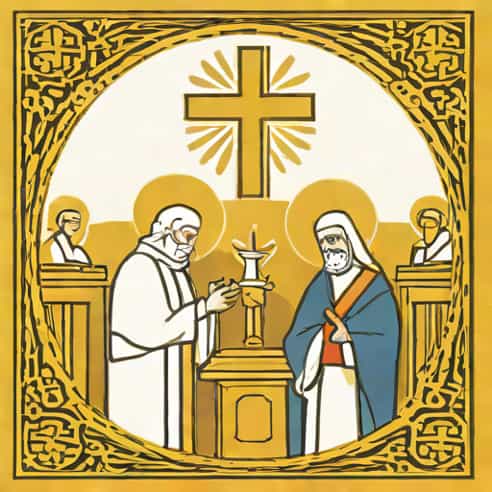
The Kyrie Eleison Papal Visit is a musical piece that has gained recognition not only for its spiritual depth but also for its significance during papal visits and religious ceremonies. This sacred hymn, rooted in Christian liturgical tradition, is often performed with reverence, capturing the solemnity and devotion of the occasion. For musicians, understanding the chords and arrangement of Kyrie Eleison Papal Visit is essential to delivering an authentic and moving performance. Exploring the structure, chords, and performance techniques helps both beginners and experienced musicians appreciate the hymn’s beauty and meaning.
Understanding Kyrie Eleison
Kyrie Eleison is a Greek phrase that translates to Lord, have mercy, forming a central part of Christian liturgy. The hymn has been used for centuries in Mass and other sacred ceremonies. Its inclusion in papal visits signifies a moment of communal prayer and reflection, connecting congregants with centuries of tradition. The melody is often simple yet profound, allowing for variations in harmony and instrumentation depending on the musical arrangement and setting.
The Meaning and Significance
- The phrase Kyrie Eleison expresses a plea for mercy, highlighting humility and devotion.
- It is commonly repeated in choral settings, creating a meditative and reverent atmosphere.
- During papal visits, the hymn underscores the spiritual and ceremonial importance of the occasion.
- The musical structure supports both vocal and instrumental accompaniment, making it adaptable for different settings.
Chords and Musical Structure
The chords of Kyrie Eleison Papal Visit are designed to complement the solemn melody, emphasizing harmony and flow. The hymn typically follows a pattern that allows musicians to support congregational singing while maintaining a reflective tone. Understanding the chord progression is crucial for pianists, guitarists, and other accompanying musicians who aim to enhance the performance without overpowering the vocals.
Common Chord Progressions
- The hymn often begins in a major key, setting a serene and uplifting tone.
- Primary chords such as C major, G major, F major, and A minor are frequently used.
- Transitions between chords are smooth, supporting the lyrical repetition of Kyrie Eleison.
- Optional variations and suspensions can add depth and expressiveness to the arrangement.
Playing Techniques
Musicians performing Kyrie Eleison Papal Visit should focus on dynamics and phrasing to convey the hymn’s emotional resonance. Gentle arpeggios, sustained chords, and careful attention to tempo enhance the meditative quality of the music. For guitarists, fingerpicking or light strumming allows the chords to blend naturally with choral singing. Pianists may use both hands to create a fuller harmonic background, supporting the vocal lines while maintaining clarity and balance.
Vocal Performance and Arrangement
Choral arrangements of Kyrie Eleison Papal Visit typically feature a soprano, alto, tenor, and bass (SATB) structure, allowing for rich harmonies. The melody is often carried by the sopranos, while other voices provide harmonic support. Choir directors may adjust the arrangement depending on the size of the choir and the acoustics of the venue. Proper articulation, breath control, and attention to phrasing are essential for a moving and spiritually uplifting performance.
Tips for Choirs
- Maintain a steady tempo to preserve the solemn and reflective nature of the hymn.
- Balance the voices so that the melody is clear and supported by harmonic accompaniment.
- Emphasize key words such as Kyrie and Eleison to highlight the meaning of the hymn.
- Use dynamics strategically to create a sense of build and release during repetitions.
Accompaniment Considerations
When accompanying a choir or soloist, the musician should prioritize subtlety and support. Chord voicings can be simplified or enriched depending on the skill level of the performer. Sustained chords and light arpeggios often work best to avoid overshadowing the vocal lines. Instrumentation beyond piano or guitar, such as organ or strings, can add depth and create a more majestic atmosphere suitable for papal ceremonies.
Practice and Preparation
For an effective performance of Kyrie Eleison Papal Visit, practice and preparation are key. Musicians should familiarize themselves with the chord progression, key changes, and tempo variations. Rehearsing with the choir or congregation ensures cohesion and allows the performer to anticipate any variations in phrasing or dynamics. Attention to detail in both chords and timing enhances the spiritual impact of the hymn and creates a moving musical experience.
Learning the Chords
- Start by practicing the basic chord progression slowly to internalize the sequence.
- Gradually increase tempo while maintaining accuracy and smooth transitions.
- Experiment with chord inversions and voicings to find the most harmonious sound.
- Integrate chord practice with vocal lines to synchronize accompaniment and melody.
Tips for Solo Musicians
- Listen to recorded performances to understand the emotional flow of the hymn.
- Focus on expressing the solemnity and reverence through dynamics and phrasing.
- Adjust chord voicings and tempo to suit the acoustic environment.
- Work closely with vocalists or a choir to ensure cohesive musical expression.
Kyrie Eleison Papal Visit chords provide a framework for performing a sacred hymn that is both timeless and deeply meaningful. Understanding the chord progressions, musical structure, and performance techniques allows musicians to enhance the spiritual and emotional impact of the hymn. Whether performed on piano, guitar, or accompanied by a choir, this piece continues to inspire devotion and reflection. The careful balance of harmony, melody, and dynamics ensures that Kyrie Eleison remains a profound and moving part of papal ceremonies and religious gatherings, connecting performers and audiences through centuries of spiritual tradition.