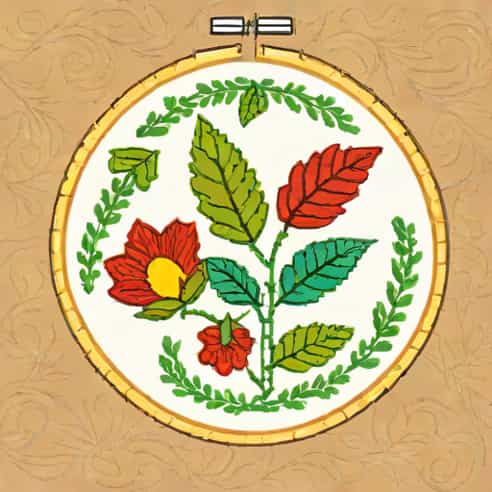
Learning how to do crewel embroidery can open up a world of creativity and artistic expression for crafters of all skill levels. This traditional form of embroidery uses wool thread on linen or similar fabric, creating textured, colorful designs that can range from simple floral motifs to elaborate scenes. Crewel embroidery is not only a relaxing and rewarding hobby but also a way to produce beautiful, handmade works that can be displayed, gifted, or incorporated into home décor. Understanding the basic materials, techniques, and steps involved makes it easier to start and enjoy this craft without frustration.
Understanding Crewel Embroidery
Crewel embroidery is a form of surface embroidery that uses wool thread to create decorative patterns on fabric. Unlike other types of embroidery that use fine threads, crewel wool produces a rich, dimensional texture. This type of embroidery has been practiced for centuries and is known for its versatility and ability to bring designs to life with vibrant colors and intricate stitching.
History of Crewel Embroidery
Crewel embroidery dates back to the medieval period, where it was used to decorate clothing, household textiles, and tapestries. Traditional crewel designs often feature flowers, animals, and natural motifs. Over time, the art form evolved, incorporating modern patterns while retaining the characteristic wool thread texture.
Why Learn Crewel Embroidery
There are several reasons to learn crewel embroidery. First, it allows for creative expression, giving crafters the freedom to choose colors, textures, and patterns. Second, it can be therapeutic, offering a calming activity that improves focus and patience. Finally, mastering crewel embroidery provides a practical skill that can produce gifts, home decorations, and even wearable art.
Materials Needed for Crewel Embroidery
Before starting, it is important to gather the correct materials. Using the right supplies ensures a smoother experience and helps achieve better results.
Essential Supplies
- FabricLinen, cotton, or a blend suitable for wool thread.
- Wool ThreadTraditional crewel wool, available in various colors.
- Embroidery NeedlesNeedles designed for wool thread, usually with a sharp point and large eye.
- Embroidery HoopKeeps the fabric taut, making stitching easier and more precise.
- ScissorsSmall, sharp embroidery scissors for clean cuts.
- Pattern or DesignPrinted, drawn, or transferred to the fabric.
- Transfer ToolsWater-soluble pens, tracing paper, or lightbox to transfer designs onto fabric.
Basic Stitches in Crewel Embroidery
Crewel embroidery relies on a variety of stitches to create texture and depth. Beginners should start by practicing basic stitches before attempting complex designs.
Stem Stitch
The stem stitch is ideal for outlines and curves. To do this stitch, bring the needle up through the fabric, insert it a short distance ahead, then bring it back up halfway along the previous stitch. Repeat along the line to create a smooth, twisted effect.
Satin Stitch
Satin stitch fills areas with solid color. Bring the needle up at one edge of the shape and down directly opposite, creating long stitches that cover the fabric completely. This stitch works well for leaves and petals.
Chain Stitch
The chain stitch forms a series of loops, creating a decorative line. Bring the needle up, make a small loop, and insert the needle back near the base of the loop. Pull through and repeat, linking each stitch to the previous loop.
French Knots
French knots add dimensional dots, perfect for flower centers or small details. Wrap the thread around the needle once or twice, insert the needle back near the original point, and pull gently to form a small, raised knot.
Long and Short Stitch
Long and short stitches are often used for shading and blending colors. Alternate longer and shorter stitches to create a natural gradient effect, ideal for petals, leaves, and textured backgrounds.
Setting Up Your Workspace
A comfortable, well-lit workspace improves accuracy and reduces fatigue. Use an embroidery hoop to hold the fabric taut, and organize threads and tools for easy access. Ensure that the fabric is smooth and wrinkle-free before starting, as this prevents uneven stitches.
Transferring Designs
Once your workspace is ready, transfer your design onto the fabric. Use a water-soluble pen, lightbox, or tracing paper. Lightly mark the lines where stitches will go, making it easier to follow the pattern accurately. Avoid heavy or permanent markings that may show through the finished work.
Starting Your Crewel Embroidery Project
Begin with a simple design to practice basic stitches. Focus on consistency in stitch size and tension. Take breaks to prevent hand fatigue and maintain precision.
Step-by-Step Process
- Place the fabric in the embroidery hoop and secure it tightly.
- Thread the needle with wool thread and knot the end if needed.
- Start stitching along the transferred design, following the appropriate stitch for each area.
- Check tension regularly to avoid puckering or loose stitches.
- Finish each thread carefully, securing the ends at the back of the fabric.
Tips for Successful Crewel Embroidery
Success in crewel embroidery comes from practice, patience, and attention to detail. Follow these tips to improve your results
- Use high-quality wool thread to achieve vibrant colors and smooth texture.
- Keep stitches even and consistent in length and tension.
- Take frequent breaks to rest your hands and eyes.
- Experiment with different stitch combinations to create depth and dimension.
- Practice on small samples before attempting larger projects.
- Keep the back of your work neat to prevent tangling and knots.
Advanced Techniques
Once you are comfortable with basic stitches, explore advanced techniques to enhance your crewel embroidery projects. These include layering stitches for texture, blending colors for realistic effects, and incorporating metallic or specialty threads for highlights. Mastery of these techniques allows for more creative freedom and detailed, professional-looking pieces.
Layering Stitches
Layering stitches adds dimension and richness to your work. Combine different stitch types and directions to create depth, such as layering stem stitch over long and short stitches for raised stems and leaves.
Color Blending
Color blending uses multiple shades of wool thread to create a gradient effect. Gradually transition from one color to another within a shape to mimic natural shading, ideal for flowers and leaves.
Maintaining Your Crewel Embroidery
Proper care ensures your crewel embroidery remains vibrant and intact. Wash gently with mild soap and cold water, avoiding harsh chemicals or wringing. Press lightly with a cool iron on the back of the fabric. Store projects flat or rolled to prevent creases, and keep them away from direct sunlight to avoid fading.
Learning how to do crewel embroidery is a rewarding journey that combines creativity, skill, and patience. By understanding the materials, mastering basic and advanced stitches, and practicing regularly, you can create beautiful, textured designs that reflect your personal style. Whether you are a beginner or an experienced crafter, crewel embroidery offers endless opportunities for artistic expression, making it a timeless and enjoyable craft to explore.