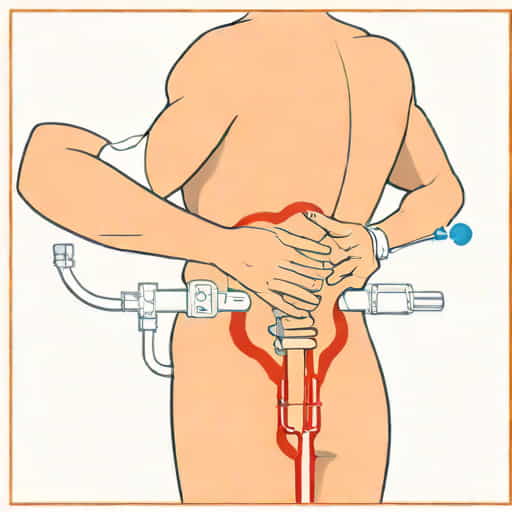
Lumbar transforaminal epidural steroid injection (LTESI) is a widely utilized medical procedure designed to alleviate chronic lower back pain and leg pain caused by conditions such as herniated discs, spinal stenosis, or nerve root irritation. This targeted injection delivers corticosteroids and anesthetic agents directly into the epidural space surrounding the affected nerve roots, helping reduce inflammation and pain while promoting improved mobility and quality of life. Understanding the procedure, its benefits, potential risks, and recovery expectations is crucial for patients considering LTESI as a treatment option.
What is a Lumbar Transforaminal Epidural Steroid Injection?
A lumbar transforaminal epidural steroid injection involves the precise delivery of anti-inflammatory medication and anesthetic to the epidural space in the lower spine, targeting specific nerve roots responsible for pain. Unlike interlaminar or caudal epidural injections that diffuse medication over a broader area, transforaminal injections focus on the nerve root exiting the spinal column, allowing for more concentrated relief of radicular pain. This approach is particularly effective for patients experiencing sciatica or radiating leg pain due to nerve compression.
Conditions Treated with LTESI
LTESI is commonly recommended for a variety of spinal conditions, including
- Herniated or bulging lumbar discs causing nerve compression
- Degenerative disc disease leading to chronic lower back pain
- Spinal stenosis resulting in nerve impingement
- Sciatica or radiculopathy characterized by pain radiating down the legs
- Inflammatory conditions of the spinal nerves or surrounding tissues
By directly targeting the affected nerve, LTESI can provide relief when oral medications, physical therapy, or other conservative treatments are insufficient.
The Procedure
Before undergoing a lumbar transforaminal epidural steroid injection, patients typically undergo imaging studies such as MRI or CT scans to identify the exact location of nerve compression or inflammation. The procedure is usually performed on an outpatient basis under local anesthesia and fluoroscopic guidance to ensure precision.
Step-by-Step Overview
The general steps of LTESI include
- Patient PreparationThe patient is positioned prone on a procedural table, and the skin over the injection site is cleaned and sterilized.
- AnesthesiaLocal anesthetic is administered to numb the skin and underlying tissues, reducing discomfort during needle insertion.
- Needle PlacementUsing fluoroscopy (real-time X-ray), the physician guides a fine needle to the targeted nerve root within the foramen.
- Contrast Dye InjectionA small amount of contrast dye may be injected to confirm accurate needle placement and visualize the epidural space.
- Medication DeliveryA mixture of corticosteroid and anesthetic is slowly injected around the affected nerve root to reduce inflammation and alleviate pain.
- RecoveryAfter needle removal, the patient is monitored briefly for any adverse reactions before being discharged home.
Benefits of Lumbar Transforaminal Epidural Steroid Injection
LTESI offers several advantages for patients suffering from lower back and leg pain. Key benefits include
Pain Relief
The corticosteroid medication reduces inflammation around the nerve root, leading to decreased pain intensity and improved comfort. Relief can be noticeable within a few days, although the full effect may take up to a week or two.
Improved Function and Mobility
By alleviating nerve irritation, LTESI can enhance mobility, allowing patients to participate more actively in physical therapy and daily activities. Improved function can prevent muscle atrophy and reduce the risk of long-term disability.
Minimally Invasive
Unlike surgical interventions, LTESI is minimally invasive, requiring no incisions and typically involving only a short recovery period. Patients can often return to normal activities within a day, depending on their response to the injection.
Risks and Considerations
While lumbar transforaminal epidural steroid injections are generally safe, certain risks should be considered and discussed with a healthcare provider.
Common Side Effects
Minor side effects may include temporary soreness at the injection site, mild bleeding, or a short-term increase in pain. These symptoms usually resolve within a few days.
Potential Complications
Though rare, complications can include
- Infection at the injection site
- Nerve injury or irritation
- Allergic reactions to medication or contrast dye
- Bleeding, particularly in patients on anticoagulant therapy
- Elevated blood sugar in diabetic patients
Choosing an experienced physician and following pre-procedure guidelines can minimize these risks.
Recovery and Aftercare
Post-procedure care is an essential part of maximizing the effectiveness of LTESI. Patients are advised to
- Rest for the remainder of the day after the injection
- Avoid strenuous activity for 24 to 48 hours
- Monitor for unusual symptoms, such as severe pain, numbness, or fever, and report them promptly
- Gradually resume normal activities as recommended by the healthcare provider
Many patients benefit from a combination of LTESI and physical therapy to strengthen supporting muscles, improve posture, and maintain long-term spinal health.
Effectiveness and Expectations
The effectiveness of lumbar transforaminal epidural steroid injections varies depending on the underlying condition, severity of nerve compression, and individual response. Some patients experience long-lasting relief, while others may require repeat injections at intervals determined by their physician. It is important to understand that LTESI primarily addresses inflammation and pain rather than correcting the structural cause of nerve compression.
Long-Term Management
For chronic conditions, LTESI is often part of a comprehensive pain management plan, which may include lifestyle modifications, physical therapy, medications, and, in some cases, surgical intervention if symptoms persist. Regular follow-up appointments help monitor progress and determine the need for additional injections or alternative treatments.
Lumbar transforaminal epidural steroid injection is a targeted, minimally invasive procedure that provides relief for individuals experiencing lower back pain and radiculopathy caused by nerve compression or inflammation. By delivering corticosteroids and anesthetic directly to the affected nerve root, LTESI can reduce pain, improve mobility, and enhance overall quality of life. While generally safe, patients should discuss potential risks, recovery guidelines, and long-term management strategies with their healthcare provider. Combining LTESI with physical therapy and lifestyle modifications can optimize outcomes, making this procedure a valuable tool in the management of chronic lumbar spine conditions.