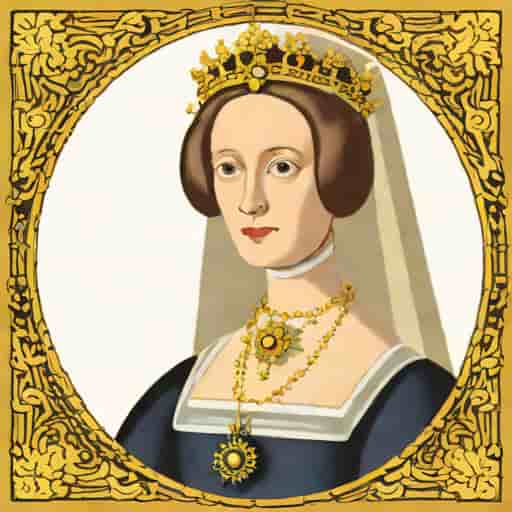
Mary Villiers, Countess of Buckingham, was a prominent figure in English aristocracy during the early 17th century, known for her influential family connections, her marriage, and her impact on political and social circles of the time. Born into a well-established family, Mary’s life intersected with significant historical events and influential personalities, making her a noteworthy subject of study for those interested in English history, aristocratic society, and the roles women played in shaping the political landscape. Her marriage to George Villiers, the 1st Duke of Buckingham, placed her at the center of royal influence, granting her unique insight into the workings of the court and enabling her to navigate complex social hierarchies with skill and discretion.
Early Life and Family Background
Mary Villiers was born Mary Beaumont, a member of the English gentry whose family had long-standing ties to political and social elites. Her upbringing was typical for women of her station, emphasizing education in the arts, religion, and social etiquette. These skills were essential for a woman of her status, as they prepared her for a life at court and the responsibilities of managing households, estates, and social networks. Mary’s family connections provided her with opportunities to engage with influential figures, shaping her understanding of power, diplomacy, and the nuances of aristocratic life.
Marriage to George Villiers
Mary’s marriage to George Villiers was a significant turning point in her life. George Villiers rose to prominence as a favorite of King James I, eventually becoming the 1st Duke of Buckingham. As his wife, Mary Villiers gained the title of Countess of Buckingham, a position that brought both prestige and responsibility. The marriage not only enhanced her social standing but also placed her in a position where her actions and influence could affect political and courtly matters. Mary’s role as Countess of Buckingham involved managing estates, hosting influential gatherings, and maintaining her husband’s public image, all of which required tact, intelligence, and strategic thinking.
Political and Social Influence
Mary Villiers’ influence extended beyond the domestic sphere into political and social circles. As the wife of a powerful courtier, she had access to key decision-makers and was able to participate, albeit indirectly, in political maneuverings. Her ability to navigate court politics and maintain favorable relationships with important figures was crucial to her family’s continued prominence. In addition, she played a role in fostering alliances and ensuring that her family’s interests were protected, demonstrating the subtle but important power women could wield in aristocratic society.
Connections to the Monarchy
Mary Villiers’ position at court brought her into close contact with the monarchy. Her husband’s favor with King James I meant that she often interacted with the king and other royal family members. This proximity to the crown allowed Mary to influence social and political decisions in ways that were significant for her family and allies. While women of her time did not hold formal political office, Mary’s ability to leverage her social position for political influence exemplifies the informal power that aristocratic women could exert within the royal court.
Role in Court Society
As Countess of Buckingham, Mary Villiers was responsible for hosting events, managing servants and household staff, and representing her family in social contexts. These duties were critical to maintaining the prestige of her household and ensuring that her family remained influential. Social gatherings hosted by Mary would have been opportunities for networking, negotiation, and displaying loyalty to the crown, highlighting the importance of etiquette, diplomacy, and strategic social interaction in her role. Through these activities, she shaped the culture and expectations of aristocratic society, reinforcing norms and influencing behaviors.
Family Legacy and Children
Mary Villiers and George Villiers had children who continued the family’s prominence in English aristocracy. Her ability to guide her children, instill social etiquette, and maintain their position at court was essential for preserving the family legacy. The Villiers children benefited from their mother’s understanding of social dynamics, which helped them navigate the challenges of court life and maintain influence in political and social spheres. Mary’s investment in her family’s future ensured that her lineage would remain relevant and powerful for generations.
Challenges and Personal Life
Despite her privileged position, Mary Villiers faced numerous challenges typical of women in her era. The pressures of court life, the expectations of social performance, and the intricacies of managing a prominent household demanded resilience and intelligence. Additionally, her husband’s political career often placed her in delicate situations, requiring careful judgment to protect the family’s reputation. Balancing personal ambitions, family duties, and courtly responsibilities was a constant challenge, but Mary Villiers’ ability to manage these demands reflects her strength, adaptability, and strategic acumen.
Historical Significance
Mary Villiers, Countess of Buckingham, remains a figure of historical interest due to her unique position at the intersection of social, political, and familial influence. Her life illustrates the ways in which women of her time could exercise power and shape outcomes through social connections, strategic marriages, and careful management of household and courtly responsibilities. Historians study Mary Villiers not only for her individual contributions but also for what her life reveals about the roles of aristocratic women in early 17th century England, the dynamics of court politics, and the interplay between personal and public spheres in shaping history.
Legacy and Influence
The legacy of Mary Villiers extends beyond her lifetime through her descendants, the historical records of her actions, and the portrayal of her life in literature and historical studies. She exemplifies the subtle yet impactful ways aristocratic women influenced politics, social norms, and family fortunes. Her careful management of her household, her social diplomacy, and her ability to navigate complex court environments contributed to the Villiers family’s enduring prominence. Scholars and enthusiasts of English history continue to study her life to better understand the contributions of women who operated behind the scenes but whose influence was significant.
Mary Villiers, Countess of Buckingham, was a remarkable figure whose life demonstrates the complex interplay of social, political, and familial roles in early modern England. Through her marriage, social influence, and strategic management of household and courtly duties, she played a key role in shaping her family’s fortunes and navigating the intricacies of court society. Her legacy provides insight into the power and influence that aristocratic women could wield, even within a society that limited their formal political participation. Studying Mary Villiers offers a deeper understanding of English history, courtly life, and the ways women contributed to shaping political and social outcomes during a pivotal era.
Total word count approximately 1,020 words.