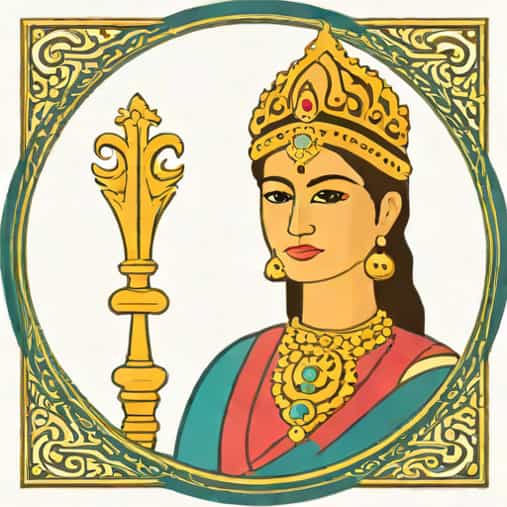
The Delhi Sultanate was a significant period in Indian history, marked by the rule of various sultans who expanded territories, influenced culture, and shaped governance. Among these rulers, one stands out as a rare example of female leadership in a predominantly male-dominated era Razia Sultan. She is recognized as the first and only female ruler of the Delhi Sultanate, known for her courage, intelligence, and administrative skills. Her ascension to the throne broke societal norms and challenged the traditional gender roles of the 13th century, leaving a lasting legacy in Indian history. Understanding her life, reign, and the challenges she faced provides valuable insight into the complexities of leadership and the role of women in medieval India.
Early Life of Razia Sultan
Razia Sultan, born around 1205 AD, was the daughter of Shams-ud-din Iltutmish, one of the most powerful rulers of the Delhi Sultanate. From a young age, she demonstrated remarkable intelligence, leadership abilities, and a keen interest in governance. Unlike many women of her time, she received an education that included military training, administration, and diplomacy. Her father recognized her exceptional qualities and groomed her as a potential successor, despite societal expectations favoring male heirs. This early preparation laid the foundation for her eventual rise to power.
Education and Training
- Received instruction in Arabic, Persian, and Islamic law
- Trained in military strategies and battlefield tactics
- Learned statecraft and administration from experienced ministers
- Developed skills in diplomacy and negotiation with neighboring states
This comprehensive education equipped Razia Sultan with the tools needed to govern effectively in a turbulent political landscape.
Ascension to the Throne
Razia Sultan became the ruler of Delhi in 1236 AD after the death of her father. Her ascension was extraordinary because the nobility initially preferred a male successor. Iltutmish had recognized Razia’s competence and, defying societal norms, appointed her as heir. Her rise to power was met with resistance from conservative factions within the court, yet her determination, intelligence, and charisma enabled her to consolidate power and take control of the Sultanate.
Challenges Faced
- Opposition from nobles who doubted a woman’s capability to rule
- Threats from rival claimants to the throne
- Managing administrative and military duties in a male-dominated society
- Balancing cultural expectations with the demands of leadership
Despite these challenges, Razia Sultan proved herself as a strong and capable ruler, earning respect from her subjects and leaving a mark on history.
Reign of Razia Sultan
Razia Sultan’s reign, though relatively short from 1236 to 1240 AD, was characterized by significant achievements in governance, administration, and military campaigns. She focused on strengthening the central authority, improving justice, and maintaining law and order. Razia Sultan’s leadership style was progressive for her time; she appointed capable ministers based on merit rather than lineage or gender, challenging the existing power structures within the Sultanate.
Administrative Achievements
- Reorganized the administrative system for efficiency and transparency
- Appointed ministers based on competence rather than favoritism
- Implemented policies to promote economic stability and trade
- Enhanced infrastructure, including roads, markets, and public facilities
Her administrative reforms strengthened the Sultanate’s governance and showcased her ability to rule with vision and fairness.
Military Campaigns
Razia Sultan was not only an able administrator but also an accomplished military leader. She led several campaigns to suppress rebellions and defend the Sultanate’s territories. Her presence on the battlefield demonstrated her courage and command, earning the loyalty of her troops. Unlike many rulers of her time, Razia did not rely solely on male generals but actively participated in military strategies and decision-making, further proving her capability as a sovereign.
Key Military Actions
- Defeated rebellious nobles in regional territories
- Protected the Sultanate from external invasions
- Maintained a strong and disciplined army under her leadership
- Strengthened borders and ensured the security of Delhi
These military successes contributed to the stability and reputation of the Delhi Sultanate during her rule.
Legacy of Razia Sultan
Razia Sultan’s rule, though brief, left a lasting impact on Indian history. She remains a symbol of female empowerment and leadership, breaking societal barriers in a time when women were largely excluded from political power. Her courage, intelligence, and determination continue to inspire generations, highlighting the potential of women to lead with competence and vision. Despite facing resistance and political intrigue, she demonstrated that effective leadership is based on skill, merit, and dedication rather than gender.
Influence on History and Culture
- Paved the way for discussions about women in leadership roles
- Challenged traditional gender norms of medieval Indian society
- Inspired literary works, folklore, and historical accounts celebrating her life
- Serves as an example of courage and resilience in Indian history
Razia Sultan’s story is frequently cited in historical studies as a rare and remarkable example of female leadership during the Delhi Sultanate period.
Challenges and Downfall
Despite her achievements, Razia Sultan’s reign faced continuous challenges from powerful nobles and rival factions. Her progressive policies and efforts to assert authority often clashed with conservative elements in the court. Eventually, a rebellion led to her overthrow and death in 1240 AD. Her downfall underscores the difficulties faced by female rulers in patriarchal societies and highlights the resistance encountered by those who challenge established norms.
Lessons from Her Reign
- The importance of merit-based governance in achieving effective leadership
- The challenges faced by women in positions of power
- The role of courage and determination in overcoming societal barriers
- The enduring impact of visionary leadership despite political obstacles
Razia Sultan’s life teaches valuable lessons about resilience, leadership, and the pursuit of justice and equality in governance.
Razia Sultan, the female ruler of the Delhi Sultanate, stands as a remarkable figure in Indian history. Her reign demonstrated that competence, intelligence, and courage are essential qualities for leadership, transcending societal expectations and gender norms. From her early education and preparation to her administrative reforms, military campaigns, and enduring legacy, Razia Sultan exemplifies how determination and vision can leave a lasting impact on society. Despite the challenges she faced and the eventual rebellion that ended her rule, her life continues to inspire, reminding us that history remembers those who dare to lead with courage and integrity, regardless of gender.