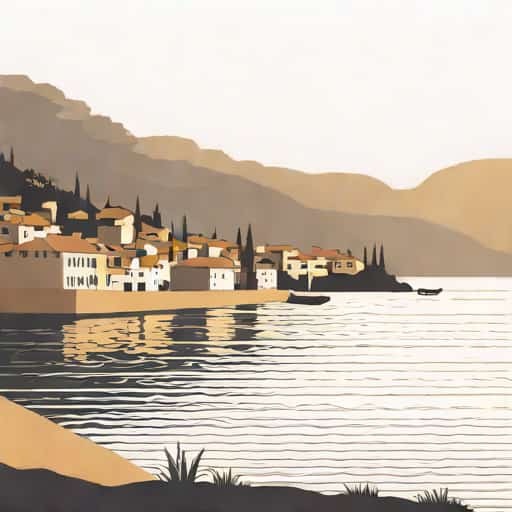
The Douro River is one of the most iconic rivers in the Iberian Peninsula, known for its stunning landscapes, cultural significance, and historical importance. Originating in the mountainous regions of northern Spain, the river travels across both Spain and Portugal before emptying into the Atlantic Ocean near Porto. Its source, where the Douro begins, is a place of natural beauty and ecological importance. Understanding where the river is born is essential not only for geography enthusiasts but also for travelers, historians, and anyone interested in the environmental and cultural impact of this remarkable waterway. The Douro has played a critical role in shaping the communities along its banks, influencing agriculture, transport, and local traditions over centuries.
Geographical Source of the Douro River
The Douro River, known as Duero in Spain, originates in the Soria province of the Spanish region of Castilla y León. Specifically, its source lies in the Picos de Urbión, a mountain range that forms part of the Iberian System. The high-altitude springs and melting snow in this area give birth to the river, which then begins its long journey westward toward Portugal. The source is characterized by rugged terrain, cold climate, and lush vegetation that supports a variety of wildlife. This area is not only geographically significant but also ecologically vital, as it provides water that sustains ecosystems downstream.
Features of the Picos de Urbión
- Mountainous terrain with elevations reaching over 2,000 meters
- Rich biodiversity including endemic plant and animal species
- Natural springs and streams that contribute to the Douro’s flow
- Snow-covered peaks during winter, feeding the river with meltwater
- Scenic landscapes that attract hikers and nature enthusiasts
The combination of these natural features makes the source of the Douro River an important ecological and tourist site, showcasing the origins of a river that will later traverse vast landscapes and support human civilization.
The Journey of the Douro River
After emerging from the Picos de Urbión, the Douro River begins its gradual descent, winding through deep valleys and rugged terrain. In Spain, it passes through historic towns such as Soria, El Burgo de Osma, and Valladolid before reaching the border with Portugal. The river’s course is approximately 897 kilometers long, making it one of the longest rivers in the Iberian Peninsula. Along its route, the Douro supports agriculture, particularly vineyards, which are famous for producing Port wine in the Douro Valley region of Portugal.
Major Spanish Sections of the Douro
- Soria Near the river’s source, featuring small towns and natural landscapes
- Castilla y León Agricultural plains and historical towns along the river
- Ribera del Duero A renowned wine-producing region in Spain
- Cross-border area The Douro acts as a natural boundary between Spain and Portugal in certain sections
The river’s journey in Spain lays the foundation for its ecological and economic significance as it continues into Portugal.
Significance of the Douro River in Portugal
Upon entering Portugal, the Douro River becomes a vital artery for the northern part of the country. It passes through cities such as Peso da Régua, Pinhão, and Vila Nova de Gaia, where the river’s waters support vineyards, hydroelectric dams, and transport routes. The Douro Valley is a UNESCO World Heritage site, recognized for its cultural landscape shaped by centuries of wine production. The river’s presence has influenced settlement patterns, agriculture, and industry, making it a cornerstone of regional identity and economic activity.
Key Features of the Portuguese Douro
- Douro Valley Famous for terraced vineyards and wine production
- Hydroelectric Dams Provide renewable energy for surrounding communities
- Transportation Historically used for shipping goods, especially wine barrels
- Cultural Heritage Towns and villages along the river preserve traditional architecture and customs
- Tourism Scenic river cruises and hiking trails attract international visitors
The river’s contribution to both the economy and culture of northern Portugal cannot be overstated. Its waters nurture life, sustain livelihoods, and inspire countless artistic and cultural expressions.
Ecological Importance of the Douro
The Douro River’s ecosystem is diverse, supporting a wide range of flora and fauna. From its mountainous source to the Atlantic estuary, the river provides habitats for fish, birds, and mammals, many of which are endemic or migratory species. Riparian zones along the river help prevent soil erosion, improve water quality, and maintain ecological balance. Conservation efforts in the Douro basin are crucial to ensure that the river continues to sustain both human and natural communities.
Environmental Highlights
- Freshwater habitats for fish such as trout and barbel
- Bird migration routes along the riverbanks
- Forests and vegetation that prevent erosion and maintain water quality
- Protected areas in the Picos de Urbión and Douro Valley
- Ongoing conservation projects to preserve biodiversity
Preserving the ecological integrity of the Douro is essential for future generations and the sustainability of the regions it traverses.
Cultural and Historical Relevance
The Douro River has been central to human settlement and activity for centuries. Ancient civilizations, including the Romans, utilized its waters for irrigation and transportation. In the medieval period, the river supported trade, agriculture, and defense systems. In modern times, it continues to influence culture, art, and tourism. Festivals, local cuisine, and traditional practices along the Douro demonstrate the river’s enduring impact on the cultural fabric of both Spain and Portugal.
Cultural Highlights
- Wine-making traditions in the Douro Valley and Ribera del Duero
- Historical architecture along the river, including bridges and cathedrals
- Festivals celebrating local culture, harvests, and river traditions
- River cruises that showcase cultural and natural landmarks
- Art and literature inspired by the Douro’s landscapes and history
The Douro River continues to be a source of inspiration and pride for the communities along its banks, symbolizing the connection between nature, culture, and history.
The Douro River, from its birth in the Picos de Urbión to its mouth at the Atlantic Ocean, represents a journey of natural beauty, ecological significance, and cultural heritage. Understanding where the river originates helps appreciate its importance to both Spain and Portugal, highlighting the environmental, economic, and cultural roles it plays. The source of the Douro is more than just a geographical point; it is the beginning of a river that has shaped landscapes, communities, and traditions for centuries. Exploring the Douro allows us to connect with history, witness stunning natural beauty, and recognize the ongoing need to preserve this vital river for future generations.