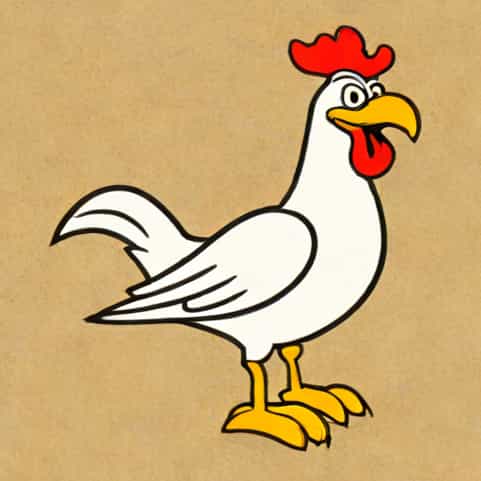
Foghorn Leghorn is one of the most iconic characters in the history of animation, instantly recognizable for his booming voice, Southern drawl, and larger-than-life personality. First appearing in the late 1940s, this Looney Tunes character has entertained generations with his clever wit, comical schemes, and unforgettable catchphrases. While many fans appreciate the character for his humor and antics, understanding the origin of Foghorn Leghorn’s distinctive voice provides insight into the creative genius behind one of animation’s most memorable figures. The story of the original voice reflects the broader evolution of voice acting in classic cartoons.
The Birth of Foghorn Leghorn
Foghorn Leghorn was created by Robert McKimson, a prominent animator for Warner Bros., and made his first appearance in the 1946 cartoon Walky Talky Hawky. The character was conceived as a loud, overconfident rooster, constantly engaged in humorous conflicts with other characters, especially the dog Barnyard Dawg. Foghorn’s personality was a mix of Southern charm, bluster, and comedic timing, which made him stand out in the Looney Tunes lineup. However, the character’s success was not just due to animation but largely because of his voice.
Mel Blanc The Original Voice
The original voice of Foghorn Leghorn was provided by Mel Blanc, often called The Man of a Thousand Voices. Blanc was a pioneering voice actor whose work defined much of Warner Bros.’ animated success. His ability to create unique, expressive, and instantly recognizable voices brought Foghorn Leghorn to life in a way that no other actor could replicate. Blanc’s interpretation gave Foghorn a booming, theatrical delivery and a distinctive Southern accent that became the character’s hallmark. It is this voice that has continued to resonate with audiences decades later.
Characteristics of Foghorn’s Voice
Mel Blanc’s performance as Foghorn Leghorn combined several vocal elements that made the character memorable. The voice is characterized by
- Loud, booming deliveryFoghorn often speaks as if he is addressing an audience, adding to his over-the-top personality.
- Southern accentThe exaggerated Southern drawl reinforces his rustic, farmyard persona.
- Rhythmic speechBlanc’s timing and cadence enhance the comedic effect, emphasizing punchlines and physical humor.
- CatchphrasesLines like I say, I say became signature expressions, highlighting both the character’s bluster and charm.
These vocal traits not only defined Foghorn Leghorn’s personality but also set a standard for animated characters, influencing how voices could convey humor, personality, and regional identity.
Inspiration Behind the Voice
Mel Blanc reportedly drew inspiration for Foghorn Leghorn’s voice from a radio character named Senator Claghorn, a bombastic Southern politician featured on the Fred Allen Show. Senator Claghorn was known for his exaggerated Southern accent, high energy, and humorous patter, which Blanc adapted and exaggerated for Foghorn. This connection shows how early media, particularly radio, influenced animation, and how talented voice actors could translate familiar sounds into memorable cartoon characters. The voice became an integral part of Foghorn’s identity, making him instantly recognizable even without visual cues.
Impact on Animation
The original voice of Foghorn Leghorn had a lasting impact on the field of animation and voice acting. Mel Blanc’s performance demonstrated the importance of a well-crafted voice in defining a character. His work showed that vocal personality could enhance the humor, emotion, and distinctiveness of an animated figure. Other animators and voice actors followed this model, understanding that a strong vocal identity could make a character more memorable and enduring. Foghorn Leghorn’s voice became a template for future cartoon roosters and boisterous, comedic characters.
Legacy of Mel Blanc’s Performance
Mel Blanc continued to voice Foghorn Leghorn for many years, establishing the character as a staple of Warner Bros. animation. His contribution extended beyond the Looney Tunes series, influencing pop culture, advertising, and later animated productions. Even after Blanc’s passing in 1989, his interpretation remains the standard for the character. Subsequent voice actors have often studied Blanc’s recordings to capture the same energy, timing, and personality, emphasizing the original voice’s enduring importance in animation history.
Collecting and Preserving Foghorn Leghorn Cartoons
Fans and collectors often seek original recordings and cartoon reels featuring Foghorn Leghorn to experience Mel Blanc’s voice in its authentic form. These collections preserve the artistry of classic animation and highlight the collaboration between animators, writers, and voice actors. The original voice is celebrated not only for its entertainment value but also as a key piece of animation history, demonstrating the critical role of vocal performance in creating iconic characters.
Related Cultural References
Foghorn Leghorn and his original voice have influenced various aspects of culture, from television parodies to contemporary voice acting. The character has appeared in commercials, video games, and new animated productions, often retaining Blanc’s vocal style or paying homage to it. Additionally, phrases like I say, I say have entered popular lexicon, showing how a distinctive voice can shape both a character and broader cultural expressions. The original voice continues to resonate with fans of all ages, bridging generations through humor and personality.
The original voice of Foghorn Leghorn, crafted by Mel Blanc, remains a landmark in the history of animation. It combined humor, regional flair, and expressive delivery to create a character that is instantly recognizable and beloved worldwide. From its inspiration in radio comedy to its enduring presence in pop culture, Foghorn Leghorn’s voice exemplifies the power of vocal artistry in animation. Understanding the origins of this voice allows fans to appreciate the creativity, skill, and historical significance behind one of Looney Tunes’ most enduring and entertaining characters.