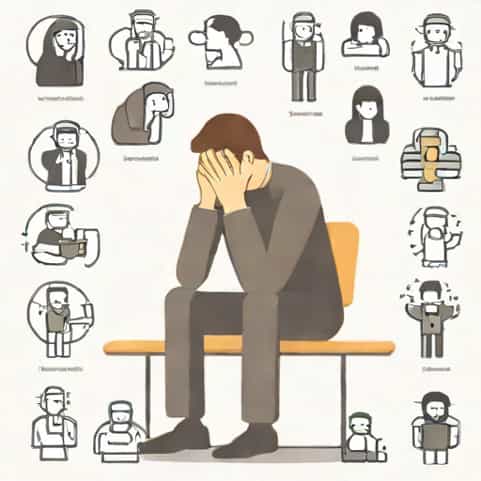
Depression is a serious mental health condition that affects millions of people worldwide, influencing not only their mood but also their overall quality of life. People who suffer from depression often experience persistent feelings of sadness, hopelessness, and a lack of motivation, which can interfere with daily activities, relationships, and professional responsibilities. While it is commonly misunderstood as simple sadness, depression is a complex disorder that can manifest in emotional, cognitive, and physical symptoms, and requires understanding, empathy, and appropriate treatment. Recognizing the experiences of those living with depression is essential in fostering support and reducing the stigma that surrounds mental health issues.
Understanding Depression
Depression is more than just feeling low or having a bad day. It is a chronic mental health condition that can significantly impair a person’s ability to function. People who suffer from depression often describe a sense of emptiness or despair that lasts for weeks, months, or even years. Symptoms can include persistent sadness, loss of interest in activities that were once enjoyable, fatigue, changes in appetite or sleep patterns, difficulty concentrating, and even thoughts of self-harm or suicide. Recognizing these symptoms early can lead to more effective treatment and improved outcomes for those affected.
Common Symptoms of Depression
- Persistent sadness or low mood
- Loss of interest in hobbies or activities
- Changes in appetite and weight
- Sleep disturbances, including insomnia or oversleeping
- Fatigue and decreased energy levels
- Difficulty concentrating or making decisions
- Feelings of guilt, worthlessness, or hopelessness
- Thoughts of self-harm or suicide in severe cases
Causes and Risk Factors
Depression does not have a single cause; rather, it can result from a combination of biological, psychological, and social factors. Genetics can play a significant role, as people with a family history of depression are more likely to experience the condition themselves. Chemical imbalances in the brain, particularly involving neurotransmitters such as serotonin and dopamine, can also contribute. Environmental factors, including chronic stress, traumatic experiences, and significant life changes, may trigger depressive episodes. Understanding these risk factors helps explain why some individuals are more vulnerable than others.
Biological Factors
- Genetic predisposition to depression
- Neurochemical imbalances affecting mood regulation
- Hormonal changes due to thyroid disorders, menopause, or pregnancy
Psychological and Social Factors
- Chronic stress from work, school, or family pressures
- Traumatic experiences, such as abuse or the loss of a loved one
- Loneliness or social isolation
- Low self-esteem or negative thought patterns
Impact on Daily Life
People who suffer from depression often find it difficult to manage everyday responsibilities. Work performance may decline, social relationships may become strained, and maintaining personal care can become challenging. Even simple tasks, like cooking, cleaning, or paying bills, can feel overwhelming. Depression can also affect physical health, leading to headaches, digestive issues, and a weakened immune system. The pervasive nature of these effects underscores the importance of recognizing depression as a serious health condition rather than dismissing it as temporary sadness or laziness.
Work and Social Life
- Reduced productivity and concentration at work or school
- Difficulty maintaining friendships and family connections
- Withdrawal from social activities and community engagement
Physical Health Effects
- Chronic fatigue and low energy levels
- Sleep disturbances leading to further health complications
- Increased susceptibility to illnesses due to weakened immunity
Treatment Options
Fortunately, depression is a treatable condition. People who suffer from depression can benefit from a range of interventions, depending on the severity and underlying causes of their condition. Psychotherapy, such as cognitive-behavioral therapy (CBT), helps individuals identify negative thought patterns and develop coping strategies. Medications, including antidepressants, can correct chemical imbalances in the brain. In some cases, a combination of therapy and medication is most effective. Lifestyle changes, such as regular exercise, healthy diet, mindfulness practices, and strong social support, also play a significant role in managing symptoms.
Psychological Therapy
- Cognitive-behavioral therapy (CBT) to address negative thought patterns
- Interpersonal therapy to improve relationships and communication
- Group therapy for shared support and understanding
Medication and Medical Interventions
- Antidepressants to regulate neurotransmitter imbalances
- Adjustments under medical supervision for effectiveness and side effects
- Electroconvulsive therapy (ECT) in severe or treatment-resistant cases
Supporting People Who Suffer from Depression
Support from family, friends, and the community is critical for those living with depression. Simple acts of understanding and empathy can significantly improve their quality of life. Encouraging open communication, offering assistance with daily tasks, and helping them access professional care are effective ways to provide support. It is also important to avoid judgment or dismissive attitudes, as stigma can exacerbate feelings of isolation and hopelessness. By fostering a compassionate environment, society can help individuals with depression navigate their journey toward recovery.
Ways to Offer Support
- Listen without judgment and validate their feelings
- Encourage professional help when needed
- Assist with practical tasks and daily responsibilities
- Stay patient and offer consistent emotional support
- Educate oneself about depression to better understand its impact
People who suffer from depression face challenges that extend far beyond temporary sadness, affecting every aspect of their lives. Understanding the complexity of this condition, recognizing symptoms, and providing compassionate support are essential in helping those affected. With proper treatment, lifestyle changes, and a supportive environment, individuals living with depression can manage their symptoms and lead fulfilling lives. Raising awareness and reducing stigma surrounding depression ensures that more people receive the help they need and that society as a whole becomes more empathetic and understanding toward mental health challenges.