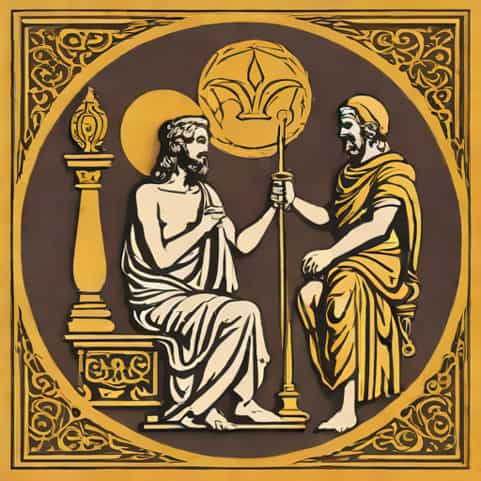
Petronio e il Satyricon is a literary work that continues to captivate readers for its vivid depiction of Roman society and its exploration of human desires, vices, and follies. The narrative, attributed to Petronius Arbiter, is often considered a satirical masterpiece, blending elements of adventure, eroticism, and social commentary. Its episodic structure follows the misadventures of Encolpius, Ascyltus, and Gitone as they navigate a decadent and morally complex world. Understanding the key events, characters, and underlying themes in the Satyricon provides a comprehensive view of Petronius’ critique of Roman life and his sophisticated literary style.
Introduction to Petronio and the Satyricon
Petronio, often referred to as the Arbiter elegantiae, was a Roman courtier and a master of refinement. His work, the Satyricon, is unique in Roman literature for its mix of prose and verse, episodic storytelling, and satirical tone. The Satyricon provides an intimate glimpse into Roman society, focusing on the lives of ordinary citizens, aristocrats, and the underworld of ancient Rome. The text is fragmentary, but the existing episodes are sufficient to highlight Petronius’ literary skill and his critical perspective on the excesses and hypocrisies of his time.
Major Characters
The story revolves around a few central characters who drive the narrative forward
- EncolpiusThe protagonist and narrator of the story, often caught in humorous and morally ambiguous situations.
- AscyltusEncolpius’ companion, whose rivalry and friendship with him create much of the story’s tension.
- GitoneA young boy who becomes the object of affection and conflict between Encolpius and Ascyltus.
- TrimalchioA wealthy freedman whose extravagant banquet serves as a focal point for social satire.
Plot Summary
The Satyricon is episodic, and its narrative unfolds in a series of adventures, misadventures, and encounters with various characters. The story begins with Encolpius and Ascyltus competing for the affection of Gitone, leading to comic situations and quarrels. The protagonists travel through different regions, encountering thieves, prostitutes, and corrupt officials, which exposes the darker aspects of Roman society. These adventures highlight human greed, lust, and moral weakness, serving as both entertainment and social critique.
The Banquet of Trimalchio
One of the most famous sections of the Satyricon is the banquet of Trimalchio. Trimalchio, a newly wealthy freedman, hosts an opulent and extravagant dinner that displays his wealth, ignorance, and desire for social prestige. The banquet serves as a satirical commentary on the pretensions of the nouveau riche and the superficiality of Roman social hierarchies. The vivid description of the food, guests, and ceremonial customs showcases Petronius’ skill in combining humor with social observation. It also reflects the tension between culture and vulgarity, taste and excess, that runs throughout the work.
Themes and Literary Style
The Satyricon explores several themes that reflect the moral, social, and cultural realities of ancient Rome
- Satire and Social CritiquePetronius uses humor, irony, and exaggeration to critique social norms, class distinctions, and human folly.
- Desire and LustRomantic and sexual pursuits of the characters often drive the plot and create moral dilemmas.
- Wealth and VanityThrough characters like Trimalchio, Petronius illustrates the ostentation and superficiality associated with wealth.
- Adventure and Moral AmbiguityThe episodic journeys highlight a world where morality is fluid, and survival often depends on cunning and wit.
Narrative Techniques
Petronius’ style is notable for its mix of prose and poetic elements, as well as the use of first-person narration. This perspective allows readers to experience the events intimately while maintaining a critical distance through irony. The fragmented structure and episodic form add to the sense of adventure and unpredictability, while vivid descriptions and sharp dialogue create memorable and dynamic scenes. The combination of humor, eroticism, and moral reflection gives the Satyricon its enduring appeal and literary significance.
Impact and Legacy
The Satyricon has had a lasting impact on literature and continues to be studied for its narrative innovation, social commentary, and stylistic sophistication. Petronius’ work influenced later writers who explored themes of decadence, satire, and moral critique. Its depiction of everyday life, combined with heightened comedic and dramatic elements, makes it a valuable source for understanding Roman culture and society. Scholars also appreciate the work for its playful language, experimental structure, and the way it blends realism with literary artifice.
Modern Interpretations
Modern readers and critics have examined the Satyricon not only as a historical artifact but also as a work of enduring literary art. Its themes of excess, human weakness, and social pretense resonate with contemporary audiences, and its fragmented structure invites diverse interpretations. Adaptations in film, theater, and literature continue to explore Petronius’ exploration of decadence, satire, and human nature, highlighting the timelessness of the Satyricon’s insights.
Petronio e il Satyricon remains a fascinating exploration of Roman society through the lens of satire, adventure, and moral observation. The narrative of Encolpius, Ascyltus, and Gitone, along with episodes like the banquet of Trimalchio, offers readers both entertainment and critical insight into human behavior and social structures. Petronius’ masterful blend of humor, eroticism, and social commentary ensures the Satyricon’s continued relevance and appeal. By studying this work, readers gain a deeper understanding of Roman culture, literary innovation, and the complexities of human nature as envisioned by one of antiquity’s most sophisticated writers.