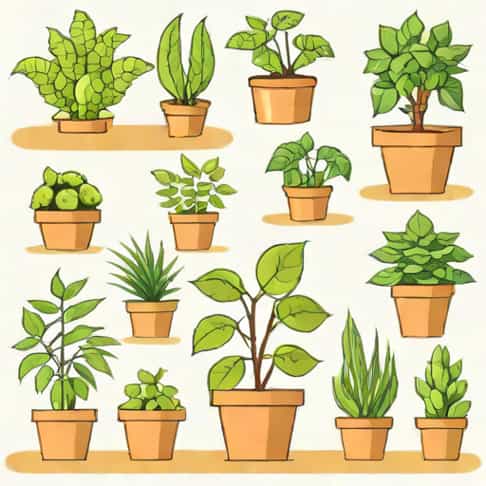
Many people assume that all plants need bright sunlight to stay alive and healthy. While sunlight is essential for photosynthesis, not every plant requires direct or intense light to survive. In fact, there are plants that can survive without sunlight in the traditional sense, especially when grown indoors or in shaded environments. These plants have adapted to low-light conditions found under forest canopies, inside buildings, or in naturally dim habitats. Understanding how these plants function makes it easier to care for them successfully.
How Plants Survive With Little or No Sunlight
Plants that can survive without sunlight usually rely on very low light rather than complete darkness. They are adapted to indirect light, artificial lighting, or brief exposure to natural light. These plants often grow slowly, conserve energy efficiently, and have leaves designed to capture minimal light.
Some species also store nutrients in their roots or stems, allowing them to survive periods of low light. This makes them ideal for indoor spaces where sunlight is limited.
Low-Light vs No-Light Environments
It is important to clarify that no plant can survive indefinitely in complete darkness. However, many plants tolerate extremely low light conditions for long periods. The term plants that can survive without sunlight usually refers to plants that do not require direct sun or bright light.
These plants perform well in shaded rooms, offices, bathrooms, or spaces with artificial lighting.
Best Indoor Plants That Can Survive Without Sunlight
Certain houseplants are known for their ability to thrive in low-light environments. These plants are popular choices for beginners and busy individuals.
Snake Plant
The snake plant is one of the most well-known plants that can survive without sunlight. It tolerates low light, irregular watering, and indoor conditions extremely well.
Its upright leaves store moisture, allowing it to survive in environments where other plants struggle.
ZZ Plant
The ZZ plant is highly resilient and adapted to low-light areas. It has thick roots that store water and energy, making it ideal for rooms with little natural light.
This plant grows slowly but remains healthy even under artificial lighting.
Pothos
Pothos plants are commonly found in offices and apartments because they tolerate low light and minimal care. While they grow faster with light, they can survive in shaded areas.
Their trailing vines make them decorative even in dim environments.
Peace Lily
Peace lilies are often listed among plants that can survive without sunlight because they adapt well to low-light conditions. They may produce fewer flowers without light, but the foliage remains healthy.
They also respond clearly when they need water, making care easier.
Plants Adapted to Forest Floor Conditions
Many low-light plants originate from forest floors, where sunlight is filtered through layers of trees. These environments shaped their ability to survive with limited light.
Cast Iron Plant
The cast iron plant is named for its toughness. It tolerates shade, temperature changes, and neglect.
This plant is an excellent example of plants that can survive without sunlight in indoor spaces.
Chinese Evergreen
Chinese evergreen plants thrive in shaded conditions and are often used in indoor landscaping.
They maintain attractive foliage even when light levels are low.
Can Plants Live on Artificial Light Alone?
Many plants that can survive without sunlight can also live under artificial lighting. Fluorescent or LED lights provide enough energy for basic plant functions.
This makes it possible to grow plants in rooms with no windows, as long as lighting is consistent.
Choosing the Right Artificial Light
Not all artificial lights work equally well. Full-spectrum bulbs are often best for plant growth.
Low-light plants usually need fewer hours of exposure than sun-loving plants.
Signs a Plant Is Getting Too Little Light
Even plants that can survive without sunlight still show signs if conditions are too dark.
- Slow or stopped growth
- Pale or yellowing leaves
- Leggy or stretched stems
- Leaf drop over time
Adjusting placement or light exposure can often resolve these issues.
Watering and Care in Low-Light Conditions
Low-light plants usually need less water because they grow more slowly. Overwatering is one of the most common mistakes.
Allowing soil to dry between watering helps prevent root rot, which is more likely in shaded environments.
Humidity and Temperature Considerations
Many plants that can survive without sunlight also prefer stable indoor temperatures. Sudden changes or cold drafts can stress them.
Moderate humidity is beneficial, especially for tropical low-light plants.
Common Myths About No-Sunlight Plants
A common myth is that these plants require no light at all. In reality, they still need some form of light, even if minimal.
Another misconception is that low-light plants require no care. While they are hardy, they still benefit from basic attention.
Benefits of Low-Light Plants Indoors
Plants that can survive without sunlight are ideal for modern living spaces. They add greenery without requiring ideal conditions.
They also contribute to a calming atmosphere and can improve indoor aesthetics.
Choosing the Right Plant for Your Space
When selecting plants that can survive without sunlight, consider the size of the space, lighting conditions, and maintenance level.
Matching the plant’s needs with your environment increases long-term success.
Long-Term Survival Without Sunlight
While these plants tolerate low light, occasional exposure to brighter indirect light can support healthier growth.
Rotating plants or placing them near light sources periodically helps maintain balance.
Plants that can survive without sunlight offer a practical solution for homes and workplaces with limited natural light. While no plant can live in complete darkness, many species have adapted to thrive in low-light or artificial lighting conditions.
By understanding their needs and limitations, anyone can enjoy greenery in shaded environments. With proper care, these plants remain healthy, attractive, and long-lasting, proving that sunlight is not always a requirement for successful plant growth.