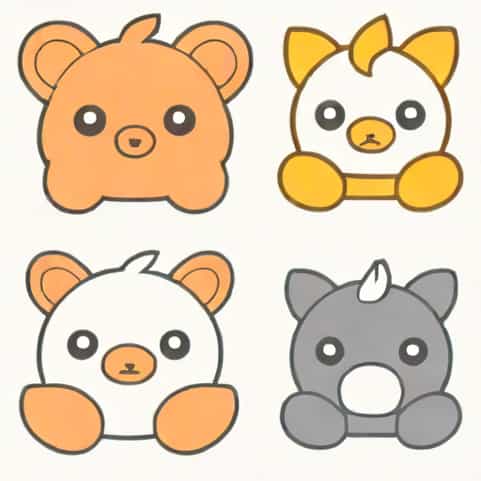
For many fans of soft toys, the words plushie and plushy often appear interchangeably. Both terms sound similar, look nearly the same, and are used widely across the internet. Yet behind these small variations lies a surprisingly interesting debate about language, preference, and branding. Understanding which term is better depends on how people use it, how it feels to read or say, and what audiences expect. This topic explores these nuances in a clear and friendly way, offering insight into the long-running plushie vs. plushy discussion.
Understanding the Origin of Both Terms
The word plush comes from a type of soft fabric. Over time, toys made of this material became known as plush toys or plush animals. As language evolved online, people began shortening or modifying the term. That is how plushie and plushy gained popularity, especially among collectors, children, and fans of character merchandise.
Although neither term is officially dominant in dictionaries, plushie tends to appear more often in discussions about cute or collectible stuffed figures. Meanwhile, plushy sometimes feels more descriptive of something soft rather than referring to a toy specifically. These subtle differences help shape how each word is perceived today.
Why Plushie Became the More Popular Choice
In many online communities, plushie has become the standard term, especially for hobbyists who collect character-based stuffed toys. From gaming fandoms to handmade craft groups, plushie is recognized as a friendly and playful label. Its pronunciation is smooth, and it visually resembles other words ending in -ie, which often give a sense of cuteness or familiarity.
Common Uses of Plushie
- Describing collectible stuffed characters
- Referring to handmade or custom soft toys
- Listing items in online shops that focus on fandom merchandise
- Talking about soft toys in a casual, affectionate way
Because of these uses, plushie feels closely tied to community identity. It appears naturally in product descriptions, blog posts, and social discussions where people share their collections or crafting projects.
The Case for Plushy
Although plushy is less common, it still appears in everyday conversation and can be found in product listings or informal writing. The word has a slightly different tone. It may describe something plush-like rather than specifically naming a toy. For example, someone might say, This blanket feels really plushy, meaning it is soft and comfortable. That broader interpretation can influence how people use it in relation to toys.
Where Plushy Shows Up More Often
- Casual descriptions of softness
- Alternative spelling in simple product labels
- Marketing materials that favor short and easy words
- Speech patterns where y endings sound more natural
Some may prefer plushy because it appears more straightforward and less stylized. It can also be easier for younger children to read or pronounce.
Which One Is Better for SEO?
When deciding which term is better from an SEO perspective, frequency and search behavior matter. A quick analysis of general online trends reveals that plushie tends to generate more search traffic. People often search for anime plushie, cute plushie, or custom plushie, making it a more powerful keyword for content about soft toys.
However, plushy still holds some value. It may attract users who type quickly or rely on phonetic spellings. Including both terms where natural can help widen reach, especially when writing product descriptions or collecting-focused topics.
How the Terms Affect Branding
Branding plays a significant role in how sellers and creators choose between plushie and plushy. The choice can influence the personality of a brand, especially when it targets children, fans, or collectors.
Branding with Plushie
Using plushie often suggests cuteness, creativity, and community-driven energy. Brands that sell character-based toys, handmade crafts, or limited-edition collectibles may prefer this term because it resonates with hobby culture. It also feels whimsical and expressive, which aligns with the emotional attachment many buyers feel toward their toys.
Branding with Plushy
Plushy may work better for brands aiming for clarity and simplicity. Its short form makes it visually compact, ideal for minimalist packaging or straightforward marketing. While it may not carry the same expressive charm as plushie, it can appeal to people who want a name that is quick and easy to recognize.
Perception Among Different Age Groups
Age can influence which term feels more natural. Younger people who engage in online communities usually lean toward plushie. The term fits comfortably with the culture of fan-made art, collectibles, and character merchandise. For this group, plushie feels more expressive and emotionally engaging.
Older audiences or those less involved in online communities might gravitate toward plushy, especially if they associate -y endings with adjectives rather than nouns. This difference does not create a strict divide, but it highlights how personal background affects word preference.
How Language Trends Shape Preference
Language evolves with culture, and trends often determine which words become dominant. As digital communities continue to grow around cute merchandise, the spelling plushie has more opportunities to appear. Its rising popularity creates a cycle the more people see it, the more natural it becomes.
At the same time, plushy remains a valid variation. Some users prefer it simply because it looks cleaner or because they learned it that way first. Language rarely shifts in one direction only, so both spellings survive based on personal preference and context.
The Verdict Plushie or Plushy?
Choosing between plushie and plushy ultimately depends on your purpose. If you aim for stronger SEO, community recognition, or emotional connection, plushie is generally the better choice. It aligns with common usage across fandoms and collector circles, making it easier for audiences to connect with your content.
If you prefer simplicity, directness, or a spelling that feels more descriptive, plushy works just fine. It may be less common, but it carries a clean and straightforward tone that some readers find appealing.
Both plushie and plushy have a place in everyday language. Neither is wrong, and both can be useful depending on the audience and setting. What matters most is consistency and clarity. For creators, sellers, or writers, understanding the subtle differences between the terms can help audiences find your content more easily and feel more connected to the subject. Whether you collect soft toys or simply enjoy discussing them, the plushie vs. plushy debate shows how language continues to evolve alongside our hobbies and interests.