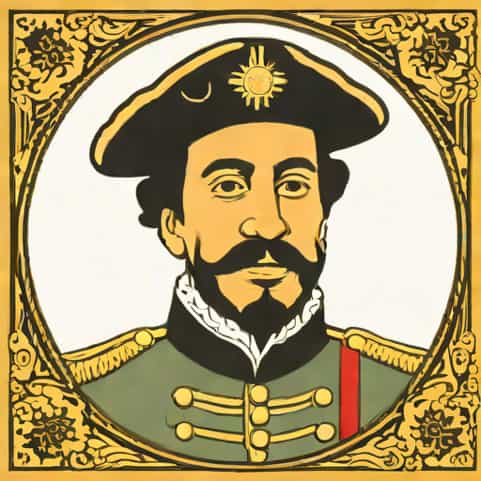
Fernando de Magallanes, known in English as Ferdinand Magellan, was a Portuguese explorer whose daring voyages transformed the understanding of the world during the Age of Exploration. Born in 1480 in Sabrosa, Portugal, Magellan became one of the most celebrated navigators in history, famous for leading the first expedition to circumnavigate the globe. His journeys not only demonstrated the vastness of the Earth but also paved the way for international trade, cultural exchanges, and maritime exploration. Understanding who Fernando de Magallanes was and the significance of his expeditions offers a glimpse into the courage, innovation, and persistence required to expand human knowledge of the planet.
Early Life and Maritime Career
Fernando de Magallanes was born into a noble family in Portugal, which allowed him access to education and training in navigation and military tactics. From a young age, he showed a fascination with the sea and a desire to explore distant lands. Magellan joined the Portuguese fleet, participating in expeditions to India, Africa, and the Spice Islands. These early experiences honed his skills in navigation, cartography, and leadership, preparing him for the monumental challenges of global exploration that lay ahead. His service in various military campaigns also provided him with the strategic and organizational abilities necessary to command long and complex voyages.
Transition to Spanish Service
Despite his loyalty to Portugal, Magellan faced obstacles in securing support for his ambitious plans to find a westward route to the Spice Islands. Frustrated by Portuguese resistance, he offered his services to King Charles I of Spain. Recognizing the potential for expanding Spanish influence and trade, the Spanish crown agreed to fund his expedition. This move was pivotal, as it enabled Magellan to assemble a fleet and crew capable of undertaking the unprecedented voyage that would eventually achieve the first circumnavigation of the Earth.
The Voyage to the Spice Islands
Magellan’s expedition set sail from Seville, Spain, in 1519 with a fleet of five ships and approximately 270 men. The journey was marked by challenges, including treacherous seas, storms, and navigational uncertainties. Magellan’s leadership and experience were crucial in guiding the fleet through unknown waters. His meticulous planning, use of celestial navigation, and ability to maintain order among the crew were essential to the survival and progress of the expedition. The voyage ultimately aimed to find a westward route to the Spice Islands, demonstrating both economic ambition and the human desire to explore uncharted territories.
Discovery of the Strait of Magellan
One of the most significant achievements of Magellan’s expedition was the discovery of the strait that now bears his name, located at the southern tip of South America. The Strait of Magellan provided a navigable route from the Atlantic to the Pacific Ocean, circumventing the dangerous waters of Cape Horn. This discovery was a monumental moment in maritime history, as it offered a practical passage for ships traveling between the oceans. The strait not only facilitated trade but also symbolized the success of human ingenuity and determination in overcoming natural obstacles.
Challenges and Encounters in the Pacific
After navigating the strait, Magellan’s fleet entered the vast Pacific Ocean, a journey that would prove to be arduous and perilous. The crew faced scarcity of food and water, unpredictable weather, and long periods of isolation. Despite these hardships, Magellan’s leadership helped the fleet persevere. Along the way, they encountered indigenous peoples, engaging in trade and diplomacy. These encounters provided valuable knowledge of the cultures, geography, and resources of previously unknown regions, contributing to the broader understanding of the world’s diversity and interconnectedness.
Magellan’s Death in the Philippines
In 1521, during an encounter with local warriors on the island of Mactan in the Philippines, Magellan was killed in battle. His death was a significant blow to the expedition, but the mission continued under the command of Juan Sebastián Elcano. Despite the loss of their leader, the remaining crew successfully completed the circumnavigation, returning to Spain in 1522. The successful completion of this voyage proved that the Earth was round and interconnected by navigable oceans, marking a transformative moment in global exploration and maritime history.
Legacy of Fernando de Magallanes
Fernando de Magallanes’ legacy is immense, shaping the course of world history and the study of geography. His expedition demonstrated the feasibility of global circumnavigation, opened new trade routes, and expanded European knowledge of the world’s geography and cultures. Magellan’s courage, vision, and perseverance continue to inspire explorers, historians, and adventurers. His name is commemorated in maps, straits, and maritime references, ensuring that his contributions to exploration are remembered across generations.
Impact on Trade and Cultural Exchange
The circumnavigation led by Magellan had profound economic and cultural implications. By establishing a westward route to the Spice Islands, his expedition facilitated trade between Europe, Asia, and the Americas. This expanded access to spices, silk, and other valuable commodities transformed global commerce. Additionally, the journey promoted cultural exchange, as Europeans encountered diverse societies, languages, and traditions, laying the foundation for subsequent exploration and the globalization of trade and ideas.
Lessons from Magellan’s Expedition
Magellan’s voyage offers enduring lessons in leadership, resilience, and the pursuit of knowledge. Some key takeaways include
- Vision and ambition can overcome significant obstacles, as demonstrated by Magellan’s determination to find a westward route to the Spice Islands.
- Preparation, skill, and adaptability are crucial for navigating uncharted challenges, whether at sea or in other endeavors.
- Collaboration and teamwork are essential, as the success of the expedition relied on the coordinated efforts of the crew.
- The willingness to face uncertainty and risk can lead to transformative discoveries that change human understanding of the world.
Modern Recognition
Today, Fernando de Magallanes is celebrated as a pioneering explorer whose achievements reshaped global navigation and commerce. Monuments, schools, and institutions bear his name, honoring his contributions to exploration and science. His story is taught in schools worldwide, illustrating the significance of curiosity, courage, and perseverance in achieving extraordinary goals. Magellan’s expedition remains a testament to human ambition and the enduring quest to explore and understand the world.
Fernando de Magallanes was a visionary navigator whose determination and leadership enabled the first successful circumnavigation of the globe. From his early life in Portugal to his groundbreaking expedition under the Spanish crown, his contributions transformed maritime exploration and expanded humanity’s understanding of the planet. Despite facing immense challenges and ultimately losing his life in the Philippines, Magellan’s legacy endures through his discoveries, the trade routes he opened, and the example he set for future explorers. Understanding who Fernando de Magallanes was provides insight into the courage, innovation, and persistence required to explore the unknown and leave a lasting mark on history.