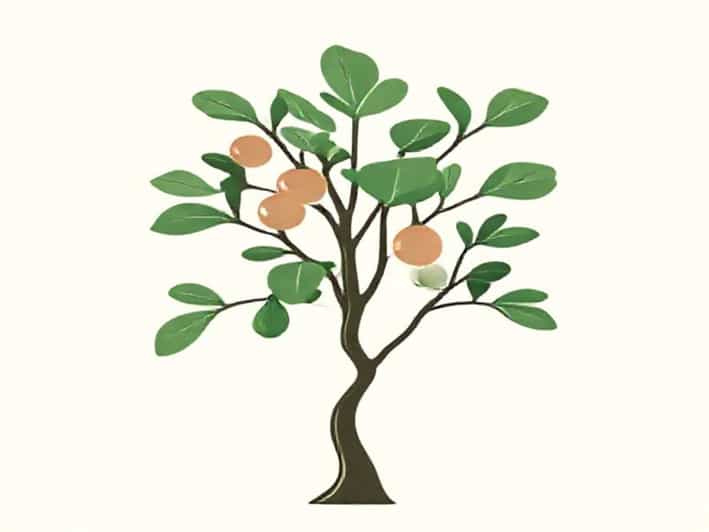
The fiddle leaf fig tree, scientifically known asFicus lyrata, has captured the hearts of indoor plant enthusiasts around the world for its striking appearance and architectural presence. Known for its large, violin-shaped leaves and upright growth habit, the real fiddle leaf fig tree adds a dramatic and elegant touch to homes, offices, and public spaces. Unlike artificial replicas, the living tree offers unique benefits such as air purification, natural beauty, and the dynamic growth patterns that come with a thriving plant. Understanding the care requirements, growth potential, and aesthetic value of the real fiddle leaf fig tree is essential for anyone considering adding this iconic plant to their indoor environment.
Origin and Natural Habitat
The real fiddle leaf fig tree is native to the tropical rainforests of West Africa, particularly countries such as Cameroon and Nigeria. In its natural habitat, the tree can grow up to 40-50 feet tall, with large, glossy leaves that capture sunlight filtering through the rainforest canopy. This environment provides insight into the plant’s ideal indoor conditions, including bright, indirect light, consistent humidity, and warm temperatures. By mimicking these natural conditions, plant owners can help their fiddle leaf fig thrive indoors and maintain its lush, vibrant foliage.
Distinctive Features of the Fiddle Leaf Fig
The most recognizable feature of the real fiddle leaf fig tree is its broad, violin-shaped leaves, which can reach lengths of up to 18 inches. These leaves have prominent veins and a rich green color that makes the plant stand out in any interior setting. The tree’s tall, upright growth habit allows it to serve as a natural focal point, adding height and dimension to living spaces. The bark is smooth and light brown, providing a subtle contrast to the large leaves. The combination of leaf size, structure, and overall height creates a visually striking plant that has become a symbol of modern interior design.
Indoor Care and Maintenance
To maintain a real fiddle leaf fig tree indoors, it is important to replicate the plant’s natural environment as closely as possible. Key aspects of care include
- LightingPlace the tree near a bright, east-facing or south-facing window to ensure it receives ample indirect light. Direct sunlight can scorch the leaves, while insufficient light may cause leaf drop.
- WateringWater the tree when the top inch of soil feels dry. Overwatering can lead to root rot, while underwatering may cause the leaves to curl or brown at the edges.
- HumidityFiddle leaf figs thrive in humid environments. Consider using a humidifier or misting the leaves regularly to maintain optimal moisture levels.
- TemperatureKeep the tree in a stable environment, ideally between 60-75°F. Avoid placing it near drafts, air conditioning vents, or heaters.
- Soil and FertilizationUse well-draining soil and fertilize monthly during the growing season with a balanced, water-soluble fertilizer to encourage healthy growth.
Common Issues and Troubleshooting
Even with proper care, real fiddle leaf fig trees can encounter challenges. Some common issues include
- Leaf DropSudden changes in light, temperature, or watering can cause leaves to drop. Gradually acclimate the plant to new conditions to minimize stress.
- Brown SpotsBrown spots on leaves may indicate overwatering, fungal infection, or insufficient humidity. Adjust watering practices and ensure proper air circulation.
- Pest InfestationsSpider mites, mealybugs, and scale insects can occasionally affect the tree. Regularly inspect the leaves and treat infestations promptly using appropriate methods.
Benefits of Having a Real Fiddle Leaf Fig Tree
Owning a real fiddle leaf fig tree goes beyond aesthetic appeal. The plant offers several advantages for indoor environments, including
- Air PurificationLike many houseplants, fiddle leaf figs can improve indoor air quality by filtering toxins and releasing oxygen.
- Mental Well-beingCaring for a living plant has been linked to reduced stress and increased feelings of calm and satisfaction.
- Decorative ImpactThe dramatic leaves and tall stature make the tree a natural centerpiece, enhancing the visual appeal of any room.
- Natural PrivacyIn larger indoor spaces, fiddle leaf figs can act as a living screen or partition, providing privacy while maintaining an open feel.
Placement and Design Considerations
When incorporating a real fiddle leaf fig tree into interior design, placement is key. The tree works well in corners, near windows, or beside furniture where its height and structure can be showcased. Consider the room’s lighting, space availability, and humidity levels before choosing a spot. Pot size and design are also important; a sturdy, well-draining container supports healthy root growth and complements the tree’s aesthetic. The right placement ensures the fiddle leaf fig remains healthy while enhancing the overall décor of the space.
Outdoor Growth Potential
In suitable climates, particularly in USDA zones 10-12, the real fiddle leaf fig tree can thrive outdoors. When grown outside, it may reach its full potential in height and spread, developing a natural canopy that provides shade and visual interest. Outdoor growth requires consideration of sunlight, rainfall, and soil conditions. While indoor cultivation is more common due to climate constraints, outdoor planting offers opportunities for larger, more dramatic growth, replicating the tree’s natural rainforest environment.
Propagation and Longevity
Fiddle leaf fig trees can be propagated through stem cuttings, allowing plant owners to grow new trees or share with others. Healthy propagation requires careful selection of stems, proper rooting techniques, and attention to humidity and light. With proper care, a real fiddle leaf fig tree can live for decades, becoming a cherished part of home or garden environments. Its longevity, combined with unique foliage and structural beauty, makes it a rewarding plant for both novice and experienced gardeners.
The real fiddle leaf fig tree is more than just a decorative plant; it is a living statement piece that brings beauty, vitality, and a sense of nature into indoor spaces. Its large, glossy leaves, tall structure, and unique presence create an iconic aesthetic that complements modern and traditional décor alike. Understanding the care requirements, including lighting, watering, humidity, and temperature, is essential for maintaining a healthy tree. By addressing common issues, promoting growth, and strategically placing the tree within a home or office, plant enthusiasts can enjoy the full benefits of this remarkable species. Whether used indoors for its dramatic visual impact or outdoors in suitable climates, the real fiddle leaf fig tree remains a symbol of elegance, natural beauty, and the rewarding experience of cultivating living plants.