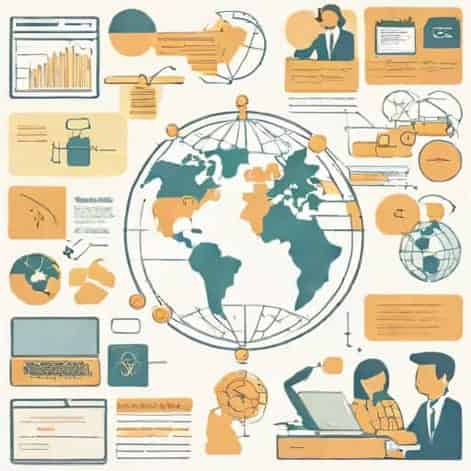
Researching and countering misinformation in the Global South requires an understanding of how local context, culture, technology access, and historical experiences shape the way information spreads. In many regions, misinformation is not only a digital issue but also a social and economic one, influenced by trust in institutions, community networks, and language diversity. Developing approaches that respect local realities while encouraging critical thinking and reliable communication can strengthen communities and support healthier information ecosystems. By exploring how misinformation emerges and how communities can respond, it becomes possible to build strategies that are practical, inclusive, and sustainable.
Understanding the Nature of Misinformation in the Global South
Misinformation in the Global South often follows different patterns compared to other regions. Limited internet access in some areas, rapid mobile expansion, and strong reliance on interpersonal communication channels influence how false information travels. It may spread through messaging apps, word of mouth, community gatherings, or informal digital networks instead of large public platforms.
Social and Cultural Influences
Cultural values, community leadership, and storytelling traditions can affect how information is received and trusted. In many societies, respect for elders or authority figures may increase the likelihood that information is believed, regardless of its accuracy. Understanding these dynamics is essential when researching misinformation or designing responses.
Economic and Structural Factors
- Limited access to quality education and media literacy resources
- Unequal internet accessibility between urban and rural populations
- Financial constraints affecting journalism and fact-checking capacity
- Dependence on informal news sources and social networks
These conditions create environments where misinformation can thrive, especially during elections, health crises, or social conflicts.
Researching Misinformation in Local Contexts
Effective research into misinformation in the Global South must begin with the local context. Instead of assuming that global solutions apply everywhere, researchers benefit from listening to communities, understanding language diversity, and recognizing region-specific concerns. Research approaches should be inclusive and sensitive to cultural differences.
Community-Centered Research Methods
Engaging directly with communities helps researchers understand how misinformation appears in daily life. This may involve interviews, focus groups, or collaboration with local organizations and educators. Researchers observe how stories spread, who people trust, and what topics trigger emotional reactions or confusion.
The Role of Language and Translation
Many regions in the Global South use multiple languages and dialects. Misinformation may shift meaning as it is translated or reinterpreted. Successful research includes careful attention to local expressions, slang, and culturally specific terms. Without this awareness, important patterns are easily overlooked or misunderstood.
Common Themes in Misinformation Circulation
While every region has unique challenges, certain themes appear frequently across the Global South. These themes often reflect historical experiences, social tensions, or gaps in trusted information sources.
Types of Common Misinformation
- Health rumors and home-based medical claims
- Politically motivated messages during elections
- Economic or employment scams
- Crisis-related misinformation during disasters or conflicts
- Religious or culturally charged narratives
These forms of misinformation spread quickly because they tap into fear, hope, or uncertainty. Understanding emotional triggers is important when designing counter-strategies.
Strategies for Countering Misinformation in the Global South
Countering misinformation requires more than simply correcting false statements. Sustainable approaches must build trust, empower local voices, and encourage critical engagement with information. Efforts that ignore social realities may fail, even if they provide accurate content.
Strengthening Media Literacy and Critical Thinking
Media literacy programs help communities learn how to question, verify, and analyze information. These programs work best when adapted to local culture, language, and education levels. Workshops in schools, community centers, and youth groups can foster habits of careful information sharing.
Partnering with Local Leaders and Institutions
Community leaders, health workers, teachers, and religious figures often hold significant influence. When they share accurate information, communities are more likely to listen. Building relationships with trusted voices strengthens credibility and improves information flow during sensitive situations.
Using Technology Responsibly in Counter-Misinformation Efforts
Technology plays a major role in both the spread and prevention of misinformation. Mobile messaging, radio, and community forums are central communication channels in many areas. Responsible use of these tools can help distribute reliable information without overwhelming or alienating audiences.
Examples of Practical Digital Approaches
- Localized fact-checking initiatives designed for community needs
- Public awareness campaigns in regional languages
- Collaborative monitoring networks among journalists and educators
- Guides that teach users how to verify messages before sharing
These approaches succeed when they respect privacy, avoid shame-based messaging, and focus on empowerment rather than control.
Challenges Faced in Researching and Countering Misinformation
Working in the field of misinformation research in the Global South presents ethical, logistical, and safety challenges. Researchers must balance accuracy with sensitivity, especially in regions affected by political tension or limited free expression.
Ethical and Safety Considerations
Some topics are dangerous to investigate openly, and communities may fear speaking about sensitive information. Researchers must protect confidentiality, avoid causing harm, and remain aware of power dynamics. Respectful communication and local collaboration are essential to maintaining safety and trust.
Resource and Infrastructure Limitations
Limited funding, slow connectivity, and unequal technological infrastructure can restrict research capacity. Despite these barriers, creative partnerships and community-based strategies often provide meaningful alternatives to resource-heavy approaches.
Building Sustainable and Community-Driven Solutions
Long-term success in countering misinformation depends on strengthening local capacity rather than relying solely on outside intervention. When communities develop their own approaches to information evaluation, resilience increases and dependency decreases.
Encouraging Collaboration and Shared Learning
- Bringing journalists, educators, and researchers together
- Sharing experiences across regions and communities
- Supporting youth engagement in responsible communication
- Developing culturally relevant educational materials
Collaboration fosters innovation and allows communities to adapt strategies as technology and communication habits evolve.
Looking Ahead The Future of Misinformation Research in the Global South
The landscape of misinformation continues to change as technology advances and communication patterns shift. Ongoing research must remain flexible, inclusive, and responsive to emerging trends. By valuing local knowledge and encouraging participation, future efforts can be both effective and respectful.
Researching and countering misinformation in the Global South is not only about correcting false claims; it is about strengthening trust, supporting equitable access to information, and empowering communities to navigate the digital world with confidence. Through thoughtful research, culturally aware communication, and collaborative action, societies can build resilience against misinformation while promoting understanding, awareness, and shared responsibility.