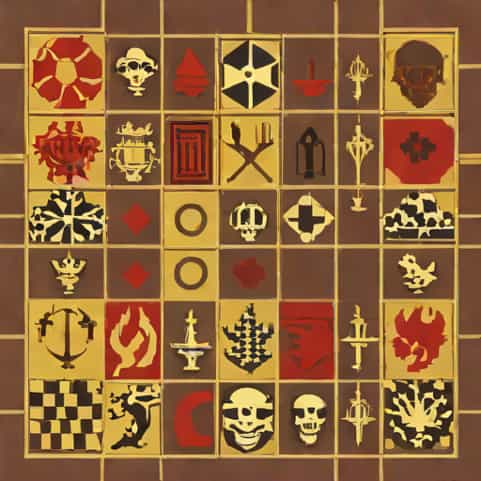
The chessboard puzzle in Resident Evil 0 is one of the most memorable and challenging puzzles in the game, requiring both observation and logical thinking. Set within the eerie and suspenseful environments of the Resident Evil universe, this puzzle tests players’ problem-solving abilities while adding to the immersive horror experience. Successfully solving the chessboard puzzle is critical for progressing in the game, as it unlocks important areas and items needed to survive the unfolding threats. Understanding the mechanics, gathering clues, and carefully planning moves are essential for overcoming this intriguing challenge.
Understanding the Chessboard Puzzle
The chessboard puzzle in Resident Evil 0 is not just a simple visual challenge; it is deeply integrated into the game’s storyline and environment. Players encounter the puzzle in a specific area of the game, often within a mansion or laboratory setting, which adds tension due to nearby enemies. The chessboard consists of various pieces, each representing different elements or obstacles, and solving the puzzle requires aligning these pieces correctly according to clues scattered throughout the environment.
Puzzle Mechanics
Unlike a standard game of chess, the Resident Evil 0 chessboard puzzle involves a combination of symbols, switches, and movable pieces. Players must pay attention to the layout and patterns provided in the game’s surrounding areas. Each move affects the overall configuration, and a wrong placement can either reset progress or trigger minor penalties, increasing the sense of suspense and challenge. Observing the environment carefully is key to understanding the logic behind the puzzle.
Gathering Clues and Observations
Before attempting to solve the chessboard puzzle, players should thoroughly explore the surrounding area. Resident Evil 0 is known for hiding clues in documents, wall patterns, and interactive objects, all of which provide hints on how to arrange the chess pieces. Clues may include numbers, symbols, or even letters that correspond to specific positions on the chessboard. Ignoring these hints can make the puzzle significantly more difficult and time-consuming.
Documents and Notes
Throughout the game, players encounter handwritten notes, typed memos, and other documents left by previous characters or researchers. These often contain cryptic instructions or sequences that are essential for solving the chessboard puzzle. Carefully reading these notes and correlating them with the board is a critical step in avoiding trial-and-error methods that may increase stress in tense gameplay moments.
Environmental Cues
Environmental observation is another key factor. The puzzle’s setting may include visual cues such as wall carvings, colored tiles, or patterns on nearby objects. These cues often indicate the correct positioning of chess pieces or the sequence in which moves should be executed. Paying close attention to these subtle details enhances the player’s understanding and can make the solution clearer.
Step-by-Step Solution Strategies
While the exact solution may vary depending on game version and difficulty settings, there are general strategies that can help players approach the chessboard puzzle methodically. A structured approach reduces frustration and increases the chances of success.
Identifying Key Pieces
Start by identifying which pieces have specific roles or functions in the puzzle. Some pieces may need to be placed first to unlock interactions with other parts of the board. Recognizing these key pieces prevents unnecessary moves and avoids triggering resets or traps.
Following Sequential Clues
Once the key pieces are identified, players should follow the sequence suggested by collected clues. This may involve placing pieces in a particular order or arranging them according to patterns observed in documents or the environment. Sequential logic ensures that each move contributes toward solving the puzzle rather than creating additional complexity.
Trial and Error with Caution
In cases where clues are ambiguous, careful trial and error can be employed. However, players should make incremental changes and note the effects of each move. This minimizes the risk of losing progress and allows for systematic exploration of possible solutions. Patience and attention to detail are essential during this phase.
Common Challenges and Mistakes
Many players struggle with the chessboard puzzle due to its combination of abstract logic and environmental observation. Common challenges include misinterpreting clues, overlooking key environmental cues, or rushing the puzzle under pressure from nearby enemies. Recognizing these potential pitfalls can help players approach the puzzle with a more focused and strategic mindset.
Misreading Clues
Clues in Resident Evil 0 can be subtle or presented in cryptic language. Misreading these hints often leads to incorrect placements or unnecessary backtracking. Carefully cross-referencing multiple clues and considering the context within the game’s narrative can prevent these errors.
Environmental Distractions
Enemies and environmental hazards near the puzzle can distract players and increase stress. It is important to clear or avoid nearby threats before focusing on the chessboard to maintain concentration and avoid rushed decisions. Ensuring a safe area around the puzzle provides the mental clarity needed for careful observation and logic.
Rewards and Game Progression
Solving the chessboard puzzle in Resident Evil 0 provides significant rewards beyond the immediate satisfaction of completing a challenging task. The puzzle often unlocks access to important rooms, treasure, or key items necessary for further progression in the game. These rewards are designed to reinforce careful exploration and problem-solving skills, integral elements of the Resident Evil experience.
Unlocking Critical Items
Completing the puzzle may grant access to weapons, health items, or keycards that are essential for surviving subsequent encounters. These items enhance the player’s ability to navigate the game’s hostile environments and manage resources effectively.
Story Advancement
The chessboard puzzle is often tied to the storyline, meaning its completion can trigger important cutscenes or narrative developments. Players who solve the puzzle successfully gain insights into the plot, character motivations, and upcoming challenges, which deepens the immersive horror experience.
Tips for Success
- Take your time to read all documents and notes thoroughly before attempting the puzzle.
- Observe the environment carefully for visual cues or patterns that may indicate piece placement.
- Identify key pieces and understand their specific functions within the puzzle.
- Follow sequences suggested by multiple clues to reduce trial-and-error frustration.
- Ensure nearby areas are safe from enemies to maintain focus during puzzle-solving.
- Document your moves if needed, especially when experimenting with potential solutions.
The chessboard puzzle in Resident Evil 0 exemplifies the game’s blend of horror, exploration, and strategic problem-solving. It challenges players to combine observation, logical reasoning, and careful planning to overcome a complex obstacle while maintaining awareness of environmental threats. Successfully solving the puzzle not only unlocks critical items and areas but also advances the narrative and enriches the gameplay experience. By approaching the puzzle methodically, paying attention to clues, and remaining patient, players can conquer one of Resident Evil 0’s most memorable challenges and enhance their overall journey through this tense and atmospheric game.