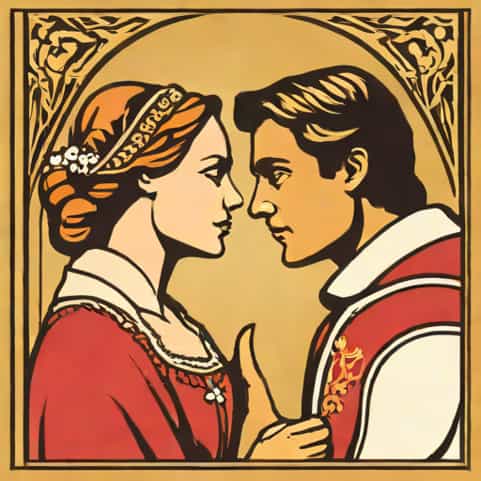
Franco Zeffirelli’s 1968 adaptation of Romeo and Juliet remains one of the most acclaimed cinematic interpretations of Shakespeare’s timeless tragedy. Noted for its lush cinematography, authentic period costumes, and youthful casting, the film captures both the passion and the poignancy of the story with a vivid intensity that has captivated audiences for decades. Zeffirelli’s attention to historical detail and his ability to translate Shakespeare’s poetic language into accessible dialogue make this adaptation stand out as a definitive version for many viewers. The film’s emotional resonance, combined with its faithful depiction of Renaissance Verona, creates a cinematic experience that is both visually striking and narratively compelling, appealing to both casual audiences and Shakespeare enthusiasts alike.
Background of the 1968 Film
Franco Zeffirelli, an Italian director known for his work in both opera and film, sought to create a version of Romeo and Juliet that would appeal to contemporary audiences while preserving the essence of Shakespeare’s original play. Released in 1968, the film was notable for casting relatively unknown actors-Leonard Whiting as Romeo and Olivia Hussey as Juliet-both teenagers at the time, to bring a sense of authenticity and youthful intensity to the roles. Zeffirelli’s choice emphasized the innocence and impetuosity of first love, a central theme in the play. By situating the story firmly in the 14th-century Italian setting, the director was able to combine historical accuracy with a heightened sense of drama, creating a visually immersive experience.
Plot Overview
The narrative of Zeffirelli’s Romeo and Juliet follows Shakespeare’s original story, chronicling the passionate and tragic romance between two young lovers from feuding families. Romeo Montague and Juliet Capulet meet at a masquerade ball and immediately fall in love, despite the enmity between their families. Secret meetings, clandestine marriages, and escalating conflict eventually lead to a series of misunderstandings and fatal choices. Zeffirelli’s film emphasizes the urgency and intensity of their love, using close-up cinematography and expressive performances to convey the emotional stakes. The tragic ending, in which both Romeo and Juliet die, underscores the destructive nature of familial hatred and the consequences of impulsive decisions.
Casting and Performances
The casting of Leonard Whiting and Olivia Hussey as the titular characters was a bold choice that paid off significantly. Their performances convey both vulnerability and fervor, capturing the intensity of young love with remarkable authenticity. Leonard Whiting’s portrayal of Romeo combines charm, passion, and youthful impulsiveness, while Olivia Hussey’s Juliet is both tender and resolute, conveying emotional depth far beyond her years. Supporting performances by established actors such as John McEnery as Mercutio and Milo O’Shea as Friar Lawrence further enrich the narrative, providing moments of humor, guidance, and tension that enhance the story’s complexity.
Supporting Characters
- MercutioRomeo’s witty and charismatic friend, whose death catalyzes the tragic escalation of events.
- TybaltJuliet’s fiery cousin, whose aggression and pride fuel the conflict between the Montagues and Capulets.
- Friar LawrenceA moral and spiritual guide, whose well-intentioned actions inadvertently contribute to the tragedy.
- NurseJuliet’s devoted caretaker, providing comic relief as well as a source of counsel and support.
Visual Style and Cinematography
Zeffirelli’s 1968 film is renowned for its lush and detailed visual style. Cinematographer Pasqualino De Santis employed natural lighting, rich color palettes, and careful framing to evoke the romantic and tragic atmosphere of Renaissance Verona. The use of outdoor locations and historically accurate architecture enhances the authenticity of the setting, while sweeping camera movements and intimate close-ups capture the emotional intensity of the characters’ experiences. Costume design by Danilo Donati further reinforces the period setting, with elaborate attire that differentiates social classes and highlights key moments in the story.
Use of Music and Sound
The musical score, composed by Nino Rota, adds a lyrical and emotional layer to the film. The music complements the unfolding drama, accentuating moments of romance, tension, and tragedy. Rota’s compositions, combined with careful sound design, enhance the audience’s immersion, allowing viewers to feel the emotional highs and lows alongside the characters. The interplay of visual and auditory elements contributes to the film’s lasting impact and memorability.
Faithfulness to Shakespeare’s Text
While Zeffirelli made minor adaptations for cinematic purposes, his 1968 version remains largely faithful to Shakespeare’s original text. The film retains much of the dialogue and structure, ensuring that the poetic language is preserved. Certain scenes were condensed or re-ordered to enhance pacing and cinematic storytelling, but the essential themes of love, conflict, and fate remain intact. This balance between textual fidelity and cinematic adaptation allows both purists and casual viewers to appreciate the narrative and emotional resonance of Shakespeare’s work.
Thematic Emphasis
The film highlights several core themes of Shakespeare’s play, including the intensity of first love, the destructiveness of familial feuds, and the consequences of impulsive decisions. Zeffirelli emphasizes the human emotions behind these themes, making the story accessible to contemporary audiences while retaining its timeless appeal. The tragic ending serves as a poignant reminder of the cost of hatred and miscommunication, reinforcing the enduring relevance of the play’s moral lessons.
Cultural and Historical Impact
Zeffirelli’s 1968 Romeo and Juliet had a significant impact on both cinema and popular culture. It introduced a new generation of viewers to Shakespeare through a visually compelling and emotionally engaging medium. The film’s success helped legitimize the adaptation of classical literature for mainstream audiences, demonstrating that Shakespeare could be both accessible and artistically profound. Its influence can be seen in subsequent adaptations, educational settings, and continued discussion among film and literary scholars.
Reception and Legacy
Upon release, the film received widespread critical acclaim for its direction, performances, and visual style. Audiences were particularly drawn to the authenticity and emotional resonance of the young leads. Over time, the film has maintained its reputation as one of the most definitive cinematic versions of Romeo and Juliet, often cited in discussions of Shakespeare on film. Its enduring popularity is a testament to Zeffirelli’s vision and the timeless appeal of the source material.
Franco Zeffirelli’s 1968 adaptation of Romeo and Juliet remains a landmark in both film and Shakespearean history. Through its careful casting, lush cinematography, faithful adaptation of Shakespeare’s text, and evocative musical score, the film captures the passion, innocence, and tragedy of the iconic love story. Its emphasis on youthful intensity, historical authenticity, and emotional depth continues to resonate with audiences, making it a touchstone for both cinematic and literary appreciation. Zeffirelli’s vision ensures that this version of Romeo and Juliet endures as a beloved and influential work in the canon of Shakespeare adaptations.
- Director Franco Zeffirelli
- Release Year 1968
- Main Cast Leonard Whiting as Romeo, Olivia Hussey as Juliet
- Key Themes First love, familial conflict, fate, tragedy
- Cinematography Pasqualino De Santis
- Music Nino Rota
- Legacy Considered a definitive cinematic adaptation of Shakespeare’s play