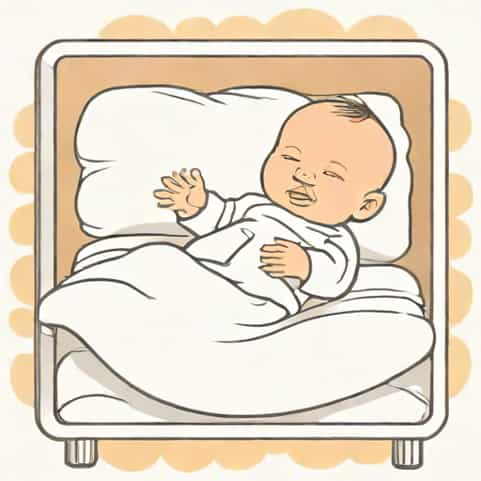
Many parents look for ways to help their baby feel calm, secure, and comforted during sleep. One popular option is a lovey, a small soft item that can provide emotional reassurance. While loveys are often associated with better sleep and self-soothing, safety is the top priority when it comes to babies. Choosing a safe lovey for baby to sleep with requires understanding age guidelines, materials, size, and proper use to reduce risks while still offering comfort.
What Is a Lovey and Why Babies Like Them
A lovey is usually a small, soft object such as a mini blanket, plush toy, or fabric animal designed for cuddling. Babies are naturally drawn to familiar textures and scents, which can make a lovey feel comforting and reassuring.
For many children, a lovey becomes a transitional object. It helps them feel secure when falling asleep, during naps, or when separated from parents for short periods. This emotional connection can support independence as babies grow.
When Is It Safe for a Baby to Sleep with a Lovey
Age is one of the most important factors in determining whether a lovey is safe for sleep. Pediatric sleep safety guidelines generally recommend keeping the sleep environment completely free of loose items during early infancy.
Most experts agree that loveys should only be introduced for sleep after a baby reaches at least 12 months of age. At this stage, babies have better head control, mobility, and awareness, which lowers the risk associated with soft objects in the crib.
Understanding Safe Sleep Guidelines
Safe sleep practices are designed to reduce the risk of suffocation and other sleep-related dangers. For babies under one year old, a clear crib with a firm mattress and fitted sheet is considered the safest setup.
Even after introducing a lovey, it is important to follow safe sleep principles and ensure the item does not interfere with breathing or movement.
Key Safe Sleep Principles
- Place baby on their back to sleep
- Use a firm mattress with a fitted sheet
- Keep the sleep space uncluttered
- Avoid large or heavy soft items
What Makes a Lovey Safe for Sleep
Not all loveys are created equal. A safe lovey for baby to sleep with should meet specific criteria related to size, weight, and construction.
The safest options are small, lightweight, and breathable. They should not cover a baby’s face easily or restrict airflow.
Choosing the Right Size and Shape
Size matters when selecting a lovey. Large blankets or oversized plush toys can pose risks, even for older babies.
A good lovey is small enough for a baby to hold comfortably but not large enough to wrap around the head or neck. Flat loveys or small fabric comforters are often considered safer than bulky stuffed animals.
Material and Fabric Considerations
The material of the lovey plays a significant role in safety. Soft, breathable fabrics such as cotton or muslin are commonly preferred.
Avoid materials that shed fibers, feel stiff, or include decorative elements that could detach.
Recommended Fabric Qualities
- Breathable and lightweight
- Soft against sensitive skin
- Durable stitching
- Free from loose threads
Checking for Small Parts and Attachments
A safe lovey should not have buttons, beads, ribbons, or plastic eyes that could come loose. Even securely attached parts can weaken over time due to washing and regular use.
Embroidered features are generally safer than glued or sewn-on accessories.
Washability and Hygiene
Babies often chew, drool, and suck on their loveys, making cleanliness essential. A lovey should be easy to wash and dry without losing its shape or softness.
Regular washing helps remove bacteria and allergens, keeping the lovey safe and fresh.
Introducing a Lovey the Right Way
Introducing a lovey should be a gradual process. Some parents start by offering the lovey during supervised nap times or while cuddling together.
This helps the baby form a positive association with the item while allowing parents to observe how the baby interacts with it.
Supervision and Observation
Even after a baby reaches the appropriate age, supervision remains important. Parents should watch how their child uses the lovey and ensure it does not end up covering the face during sleep.
If a baby frequently presses the lovey against their nose or mouth, it may be better to limit its use to awake or supervised times.
Common Mistakes to Avoid
Some parents assume that all soft toys marketed for babies are safe for sleep, which is not always true. Marketing labels do not replace safe sleep guidelines.
Another mistake is introducing a lovey too early, especially during the first year when the risk of sleep-related incidents is higher.
Things to Avoid
- Large stuffed animals in the crib
- Thick or heavy blankets as loveys
- Loveys with strings or ribbons
- Using multiple soft items at once
Benefits of a Safe Lovey for Older Babies
When used appropriately, a lovey can provide emotional comfort and help with sleep routines. It can support self-soothing and reduce nighttime anxiety.
Many toddlers continue to rely on a lovey as a source of comfort during transitions such as starting daycare or sleeping in a new environment.
Balancing Comfort and Safety
Parents often feel torn between offering comfort and maintaining strict safety standards. The key is balance. A safe lovey for baby to sleep with should never replace safe sleep practices.
Comfort items should complement, not compromise, a secure sleep environment.
Listening to Your Baby’s Needs
Every baby is different. Some children form strong attachments to loveys, while others show little interest. There is no requirement for a baby to have a lovey.
Parents should observe their child’s behavior and choose what works best within safe boundaries.
Choosing a safe lovey for baby to sleep with involves careful consideration of age, size, material, and design. While loveys can offer emotional comfort and support healthy sleep habits, safety must always come first. By following recommended guidelines and introducing a lovey at the right time, parents can provide reassurance without increasing risk. A thoughtfully chosen lovey can become a gentle source of comfort while still supporting a safe and peaceful sleep environment.